
Press the Windows key and start typing the name of the app you want to launch. Press Enter when it appears in the search results. Additionally, you can set custom keyboard shortcuts to open a particular app.
How to Force Quit on Windows to Close Unresponsive Apps and Programs? [4 Effective Ways]
 Upasna Deewan
Updated on: Jan 24, 2025
Table of Contents
- Understanding Windows Force Quit
- How to Force Quit on Windows Using Task Manager?
- How to Force Close on Windows Using Keyboard Shortcuts?
- How to Force Quit Windows Using the Settings Menu?
- How to Force Close an App on Windows Using Command Prompt?
- Additional Solutions When Force Closing Windows Fails
- Tips to Prevent App Freezes in the Future
- Conclusion
- Frequently Asked Questions
What is the most annoying thing, you ask? For me, it is when you are using your computer for an important task and an app decides to stop working and freeze.
It is much more frustrating when you have no clue what to do next. But don’t worry; there are various quick and efficient ways to fix this issue. Knowing how to force quit on Windows can save you a lot of time and frustration.
I am going to provide you with 4 easy ways to force close windows that are not responding. Plus, I will also discuss some best practices to prevent these issues in the future.
Understanding Windows Force Quit
Let’s start with understanding the basics of forced quitting an app on Windows and what is the need to do such a thing. In simple terms, it means closing an app or a program that is not responding. It works like an emergency stop for all the unresponsive apps on your device.
You may also need to stop apps from using too much power, preventing your system from slowing down and performing at its peak strength. It is your ultimate weapon when it does not close normally.
In the following sections, I will show you how to force close windows using 4 different ways. So, just stay with me.
How to Force Quit on Windows Using Task Manager?
Using the task manager in Windows is one of the most effective methods you can try to force quit an app. Here are the steps you need to take:
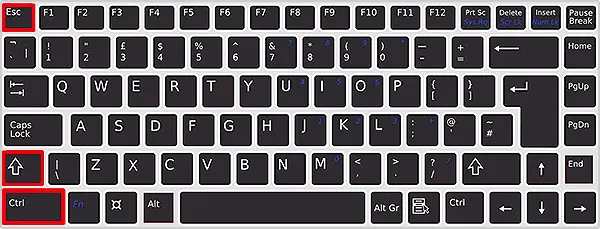
- Press Ctrl + Shift + Esc together. This will open the Task Manager on your screen.
- Next, find the unresponsive app you want to close, and click on End task.
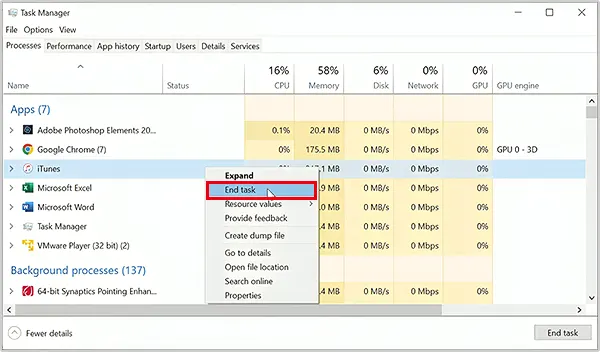
One can also use Task Manager to figure out how much memory your program is using at the moment. If the memory usage is high, it means your device is running low on RAM, causing frequent crashes.
Thus, I will advise you to close apps or background processes that use a lot of system memory to help improve the overall performance of the machine.
How to Force Close on Windows Using Keyboard Shortcuts?
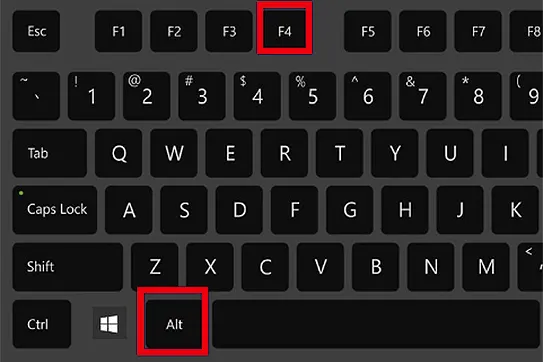
You can also force close an app using the Alt + F4 keyboard shortcut. It is the fastest method to fix unresponsive apps and programs. The important thing to understand is that you need to be on that particular app or program before using the shortcut.

On the unresponsive window, press the Alt and F4 keys of your keyboard together. Make sure you select the app first; otherwise, this may shut down your computer instead.
You should also know that this shortcut may not work every time. For such instances, you can try force quitting an app using other methods provided in this guide.
How to Force Quit Windows Using the Settings Menu?
Another way to tackle unresponsive apps on Windows is by using the settings menu of your system. Let’s see how to force quit an app via Windows settings:
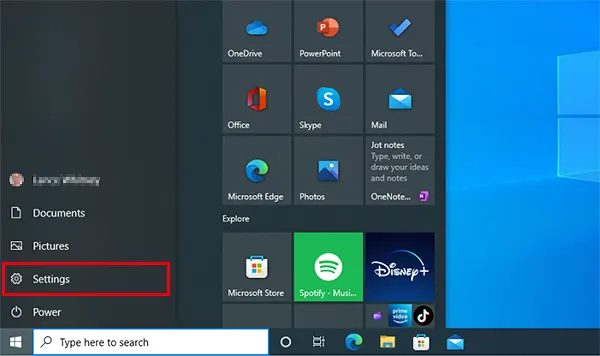
- Click on the Windows Start icon and then navigate to Settings.
- Now, click on the Apps option.
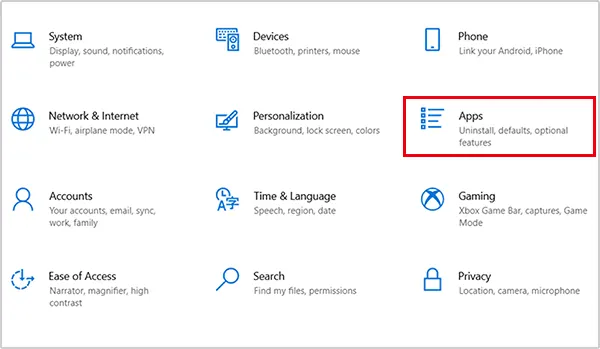
- Now, click on the Apps option.
- Scroll down to find the app you want to close, click on its name, and select ‘Advanced options’.
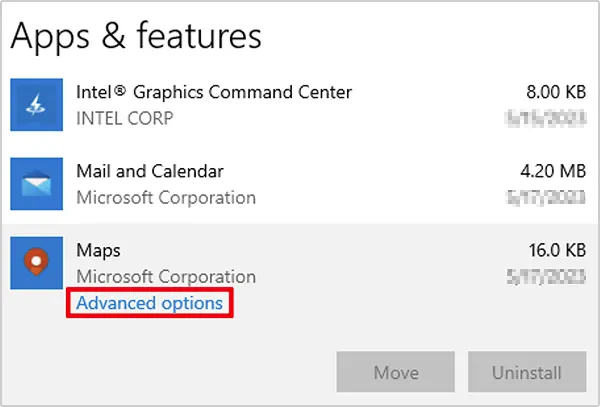
- Finally, hit the Terminate button to close the app.
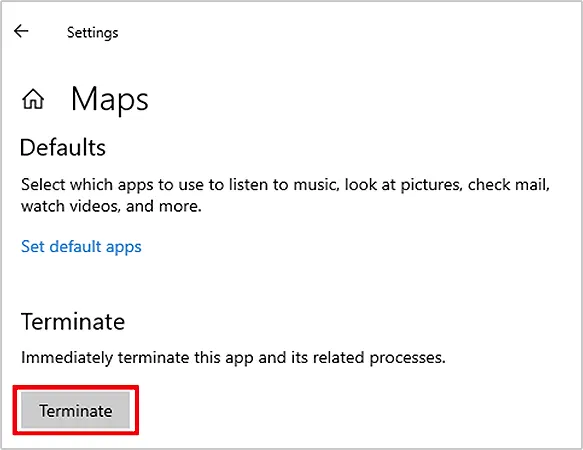
If even this method does not work for you, you should try your luck using Command Prompt.
How to Force Close an App on Windows Using Command Prompt?
The Command Prompt used to come with all Windows computers, but the latest version now comes with PowerShell. However, the good thing is that you can still use Windows Command Prompt commands if you want. Here’s how you can give command to quit programs on Windows:
- Press the Window + R keys together to open the Run command.
- Type ‘cmd’ in the search box and click on OK.
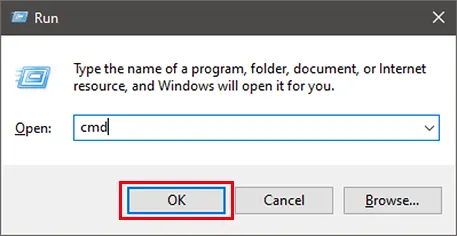
- Now, type ‘tasklist’ in the Command Prompt to see a list of programs running on your system.
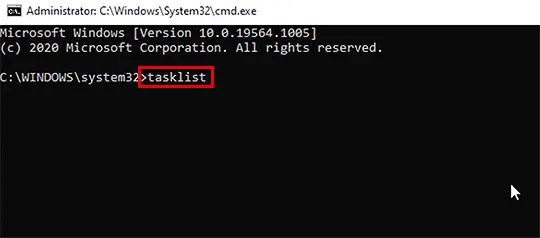
- To close a program, type ‘taskkill/im (program name).exe’. For example, to close Chrome, you can type ‘taskkill/im chrome.exe’.
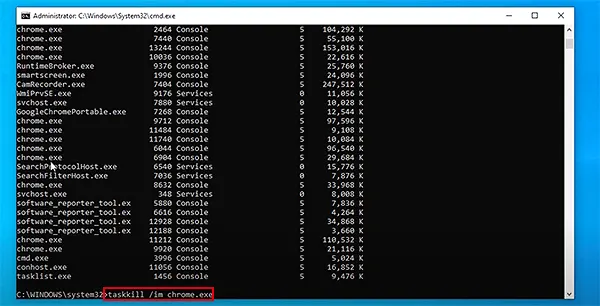
- Now, just press Enter.
You will get a confirmation message once the task is closed. So, this is the last of the 4 methods you can try to resolve frozen app issues.
Additional Solutions When Force Closing Windows Fails
Most of the time, using keyboard shortcuts, Task Manager, Command Prompt, and Windows settings works fine. However, you might not be able to perform any of these solutions. This happens when the issue affects the entire operating system.
In such cases, rebooting your PC is the only remaining option. Press the Ctrl + Alt + Del keys together to access the Settings menu. Here, click on the Power button and select Shut Down.
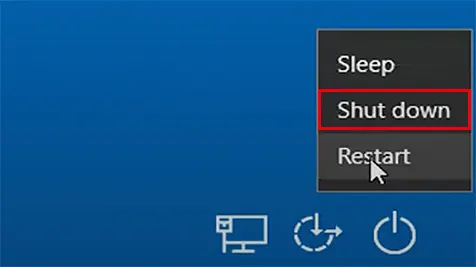
If everything fails, the manual power button is your last resort. While this can force a shutdown, it is not the ideal way due to the risk of losing unsaved work. It is advisable to use this option as the last option.
Furthermore, if freezing continues, you can also try to check and update your BIOS or operating system. Plus, you should also make sure that all the apps are running on the latest update.
Tips to Prevent App Freezes in the Future
It is always better to be proactive and avoid freezes on your computer. Regular software updates and maintenance are the most basic thing you can do to help your system run smoothly without hiccups. Here are some tips to consider:
- Try to regularly remove unnecessary files and background programs to improve the overall health and performance of the system. It is like a detox for your computer.
- Ensure that your operating system and other softwares are always updated. Updates are crucial to fix bugs and improve overall security.
- Use tools like Task Manager to keep an eye on CPU and RAM usage.
- It is also advisable to update your graphics drivers regularly, especially if the freezes happen while gaming or using graphics-heavy programs.
These simple yet effective tips can help prevent future app freezes and keep your system running smoothly.
Conclusion
In conclusion, do not panic if you face unresponsive apps on Windows. It is not difficult to troubleshoot such issues; you can use keyboard shortcuts, Task Manager, and other ways to quickly close a frozen program.
I hope that you now know how to force quit on Windows, and the next time an app freezes, you will be ready to tackle it and get back to your work.
Don’t forget to thank me after fixing your issue. Bye!
Frequently Asked Questions
How to open an app on a computer using the keyboard?
What is Windows Force Kill Process ID?
PID is a unique number identifier of a running process. It can be used to force quit the process using the ‘taskkill’ command in the Command Prompt.
How do I keep my PC from closing programs?
Firstly, go to Settings and check if they are set to automatically close in the background. Otherwise, try to update that particular app and the overall operating system.
Can you force quit apps on other devices?
Yes, all types of modern devices offer a feature to force quit apps to tackle the issue of unresponsive apps.
What is the fastest way to force quit an app on Windows?
Using the Alt + F4 shortcut is the fastest available solution to force close a window.
Related Posts
Making Games Accessible Worldwide on Your Chromebook
Historically seen as a device for educational purposes, Chromebooks have become a global hub for gaming due to their use…
Best Ways To Convert Email Files (EML) To Images
An EML file is a saved email message. It contains the full content of the email, including the text, sender…
The Ultimate Guide to Becoming a Data Scientist
Whether you are someone choosing a career, switching it, or still deciding on what to pursue, a thorough knowledge of…
Practical Benefits Of Authentication Employee Time Clock Systems
Accurate attendance tracking plays a critical role in workforce management. Authentication-based employee time clock systems help organizations verify employee identity…
Top 7 Technology Consultant Services Every Data-Driven Business Needs (2026)
Data loss isn’t just an IT inconvenience. It is a threat to the survival of a business. Research shows that…

What is Hardware Accelerated GPU Scheduling and How to Enable It? (Windows 10 &…
Hardware accelerated GPU Scheduling allows the user’s graphics card to run its own memory management and task queue, rather than…
Benefits of Using AI Tools for Data Management and Insights
With the introduction of automation and generative tools in the market, the amount of data produced by companies is more…
Top 7 Best Enterprise IT Companies for Reliability and Data Protection (2026)
IT downtime can cause a major setback for organisations that ensure productivity and growth working day and night. The losses…
How Connectivity Trends are Evolving in the Age of Data
We don’t consider connectivity until it stops working. When video calls freeze or maps take too long to load, we…