
AI-Driven Hit Triage: How to Move from Hits to Leads with Confidence
 Mahima Dave
In the fast-evolving world of drug discovery, artificial intelligence (AI) is redefining the hit-to-lead (H2L) process. Once reliant solely on manual triage and intuition, modern discovery teams are increasingly turning to AI-powered models to prioritize hits, predict liabilities, and accelerate lead identification. When integrated with comprehensive hit to lead services, these AI tools offer unprecedented efficiency and precision—helping scientists move from raw hits to validated leads with greater confidence.
The Challenge: Too Many Hits, Too Little Time
High-throughput screening (HTS) and virtual screening campaigns often generate hundreds or thousands of hits. But not every hit is worth pursuing. Traditional triage methods—manual clustering, expert review, simple filtering—are time-consuming and may overlook hidden potential or allow problematic compounds through.
This is where AI excels. By learning from vast datasets of chemical structures, biological responses, and known outcomes, AI models can help prioritize hits based on:
- Predicted activity and selectivity
- Structural novelty
- Synthetic feasibility
- Potential safety liabilities
When used in conjunction with expert hit to lead services, AI helps focus resources on the most promising candidates from the very beginning.
AI-Powered Hit Triage: Smarter, Faster, More Informed
AI-based triage typically combines several computational layers, including:
- Molecular property prediction (logP, solubility, permeability)
- Target affinity modeling using QSAR and deep learning
- ADMET risk profiling to flag problematic hits
- Clustering algorithms to identify structurally diverse or novel chemotypes
- Synthetic accessibility scoring to assess developability
These tools don’t replace expert input—they enhance it. AI offers fast, data-driven recommendations, while medicinal chemists use their domain expertise to assess context, feasibility, and downstream potential.
Confirmatory Synthesis and Purification: The Next Step
AI predictions are powerful—but still theoretical. The transition from in silico to in vitro requires confirmatory workflows that validate both structure and bioactivity.
Critical next steps include:
- Resynthesis of selected hits to confirm structure and rule out impurities
- Purification to isolate active components from screening artifacts
- Re-testing of activity under standardized, reproducible conditions
These confirmatory processes are integral to any robust hit to lead services pipeline, especially when leveraging AI-generated candidates.
Balancing Novelty, Activity, and Developability
One of the greatest strengths of AI is its ability to suggest non-obvious, novel scaffolds. But novelty alone isn’t enough. A truly promising hit balances:
- Potency and selectivity for the intended target
- Drug-like properties such as solubility and metabolic stability
- Synthetic feasibility for scalable production
- Patentability and IP space to support development investment
AI can help identify compounds that lie at the intersection of these critical dimensions—offering not only strong biological performance but also commercial and developmental potential.
Why It Works: Bridging the Virtual and the Real
AI-assisted hit triage doesn’t just save time—it sharpens strategy. In today’s data-rich environment, integrating machine learning models with expert hit to lead services allows drug discovery teams to:
- Filter out liabilities earlier
- Prioritize novel, viable chemotypes
- Focus limited resources on high-potential candidates
- Accelerate timelines from HTS to validated leads
The result? More efficient pipelines, better decision-making, and a higher likelihood of clinical success.
Final Thoughts
AI is not just a buzzword—it’s a practical, proven tool in modern drug discovery. When thoughtfully applied within the H2L workflow, it empowers teams to sift through massive hit lists, reduce risk, and identify promising leads faster. Paired with comprehensive hit to lead services, AI-driven triage transforms the early discovery phase from a bottleneck into a competitive advantage.
The future of hit triage is here—and it’s intelligent.
Making a presentation doesn’t just mean designing slides. It’s about defining a clear structure, using defined logic, useful visuals, and…

The long wait times and ineffective management of customer queues can have a significant impact on customer satisfaction and business…
Competitor research without traffic data is guesswork. You can guess who your rivals are, guess how big they are, guess…
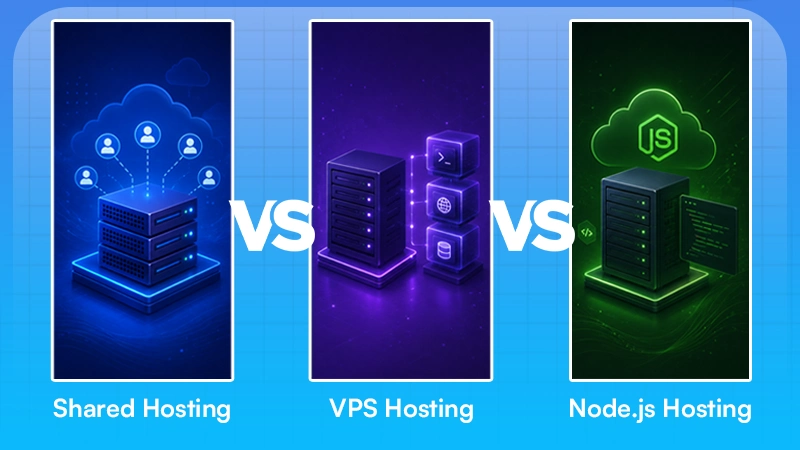
The performance of digital business is directly related to website speed, uptime, and scalability. Slow page performance has a negative…

“People work for money but go the extra mile for recognition, praise, and rewards.” — Dale Carnegie (Writer & Teacher)…

Almost every company that depends on data runs into the same problem: although they can find the data they need,…

Financial data supports every part of a business, directly affecting cash flow, payroll, tax reports, audits, customer billing, and daily…

“Cybersecurity is much more than a matter of IT.” — Stephane Nappo (Cybersecurity Professional) For manufacturers working within the defense…

Learning has transformed in the modern age with the integration of new technologies to help students and professionals prosper in…