
Ans: These platforms make use of AI tools and visual graphs and indicators that display performance of the individual in a rewarding way, celebrating their achievements, thus making it more engaging.
How Data-Based Tools Influence Learning Performance
 Reviewed By Brijesh Kumar Singh
  Kartik Wadhwa
Updated on: May 11, 2026

Learning has transformed in the modern age with the integration of new technologies to help students and professionals prosper in their respective fields, enhance their performance, and become ready for the future.
This positive change is led by data-based learning tools that provide valuable insights, track progress, and change according to the behavior and results of the person utilizing such resources.
This article highlights the advantages of data-driven tools and how they personalize various functions to improve engagement and outcomes.
Key Takeaways
- Data-based tools work very differently from generic platforms, as they offer many other functionalities.
- They contain a centralized dashboard with which students can access and track their progress easily.
- Such platforms also adapt according to each individual, creating different paths of learning for everyone.
- AI tutors and attractive visuals allow students to stay engaged with the course for longer periods of time.
What Data-Based Learning Tools Do
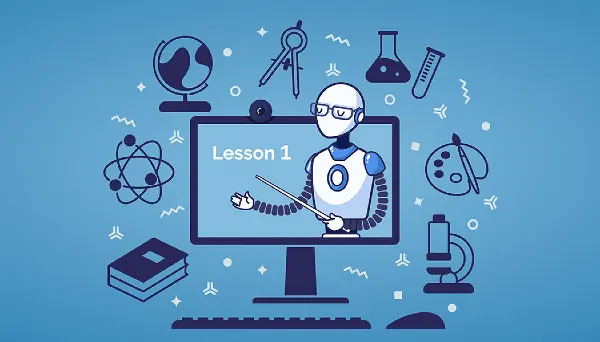
Data-based tools work a lot differently from generic learning platforms, as they utilize analytics gained from tracking performance, outcomes, behavior, and even the time spent on each lesson to create a tailored experience for the individual.
This greatly affects the engagement rate of the person attending these programs because they also display the visual indicators present in the software to make the whole experience feel a lot more rewarding.
How Data Helps Track Learning Progress

The progress is effectively tracked through various analytical indicators, such as time spent on each question, the frequency of usage of internal functions like calculators, performance in each section, and more.
This is all made possible through a complex integration of a strong infrastructure that is able to incorporate smooth data flow and adaptive changes to the platform as learning progresses, allowing students to track their learning through a centralized dashboard containing all information.
Modern applications like such also use AI-driven programs to fuel such advanced analysis mechanisms and make them gain more accurate information and improve themselves with time.
Personalizing Learning Through Data Insights
Combining the elements of AI-powered systems and the generation of insights that can be interpreted by machines has allowed for learning to adapt on the fly.
Every person attending the course would notice a dynamic environment that changes and evolves according to one’s input and performance, thus proving that data understandability and processing play a key role in creating tailored learning experiences.
Fun Fact
Some platforms can take a simple PDF and use AI to turn it into a structured, interactive learning journey with quizzes and summaries.
These features help students understand lessons better, grasp each concept more clearly, and progress without worrying about facing doubts or requiring support every step of the way, thereby making them more independent and self-reliant when completing tasks of any kind.
All people are not the same, and this is precisely why they require different paths that complement their behavior and approach to learning. This is skillfully managed by data-based learning platforms.
Benefits and Challenges of Data-Driven Learning
There are numerous benefits of a data-driven learning approach, such as:
- Flexible pacing: Students can proceed through the learning program at the speed that is most comfortable to them
- Custom paths: The content, curriculum, and lessons are specifically tailored to the individual
- Progress tracking: Administrators (Teachers, parents, guides) can track the performance and progress of the person at any given time, and can even suggest changes to the approach
- Engaging experiences: AI tutors and attractive visuals allow students to stay engaged with the course for longer periods of time
- Availability: Such systems offer round-the-clock support for any assistance that students may require
While these advanced learning tools offer many advantages, there are a few challenges that are faced:
- Advanced systems: For the proper functioning of such mechanisms, the latest hardware is often required to experience all of its features
- Time-consuming: Compiling all the gained information and statistics uses up a lot of time for educators and teachers
- Limited support: As all teaching requirements are fulfilled by automated systems, the requirement for support for educators in the field decreases considerably
- Data accuracy: It is especially hard to accurately gather useful data, as AI is bound to make a few mistakes during its analysis gathering stages, thus providing incomplete information
- Technical issues: Every technology, old or new, is bound to face some resistance because of rare technical failures or glitches that may impact user experience considerably
The best way to incorporate these data-based learning tools is to use them in a hybrid approach. Ensure not to fully depend on it and take assistance from your educators and professors, so that you can learn and benefit from both the methods while actively avoiding the common issues faced.
The Future of Data-Based Learning Support
The future is focused on advancing and improving the learning methodologies of students to boost their progress with the help of clever data analysis methods.
This makes it a necessity for everyone involved in the educational industry to adapt accordingly and swiftly integrate such platforms into their processes to make the best use of data-driven learning right from the beginning.
Frequently Asked Questions
Q1) How is engagement improved with such platforms?
Q2) What are the benefits of data-based learning tools?
Ans: The following are the advantages of learning tools:
- Flexible pacing
- Custom paths
- Progress tracking
- Engaging experiences
- Availability
Q3) How do they create personalized experiences?
Ans: They develop tailored experiences by adapting and identifying the patterns of the individual and how they handle each concept, and how actively they proceed with every section of the course.
Q4) Do these tools require advanced systems to work?
Ans: Yes, these tools often require up-to-date systems and stable infrastructure across different network channels to work in a streamlined and effective way.
Related Posts
8 Best AI Presentation Makers for Business-Ready Slides
Making a presentation doesn’t just mean designing slides. It’s about defining a clear structure, using defined logic, useful visuals, and…

Queue Management Software Troubleshooting Guide: 8 Common Faults and Fixes
The long wait times and ineffective management of customer queues can have a significant impact on customer satisfaction and business…
How to Use Similarweb Website Traffic Data for Competitor Research
Competitor research without traffic data is guesswork. You can guess who your rivals are, guess how big they are, guess…
Choosing the Right Hosting Model for Scalable Digital Platforms
The performance of digital business is directly related to website speed, uptime, and scalability. Slow page performance has a negative…

How Data-Driven Performance Tools Are Transforming Employee Recognition in Tech Companies
“People work for money but go the extra mile for recognition, praise, and rewards.” — Dale Carnegie (Writer & Teacher)…

Why Businesses Struggle to Collect Reliable Data from the Web
Almost every company that depends on data runs into the same problem: although they can find the data they need,…

Why Financial Data Recovery Matters for Businesses
Financial data supports every part of a business, directly affecting cash flow, payroll, tax reports, audits, customer billing, and daily…

CMMC Compliance Is Coming for Manufacturers. Here Is What You Need to Do
“Cybersecurity is much more than a matter of IT.” — Stephane Nappo (Cybersecurity Professional) For manufacturers working within the defense…
Why Offline Communication Tools Still Matter in a Digital-First Business World
Marketing teams and other professionals feel like SEO, reels and digital ads are the only way to do marketing. This…