
Key Factors That Affect Fiber Internet Pricing and Plans for Businesses
 Saipansab Nadaf
Navigating business internet pricing structures can be complex for organizations of all sizes. While high-speed connectivity has become essential for daily operations, monthly costs can vary significantly depending on infrastructure, bandwidth requirements, and service terms.
Understanding the factors that influence pricing helps companies avoid overspending while still securing the performance necessary for productivity and growth. In high-demand commercial regions like New York, the availability of enterprise-grade speed tiers and competition among local providers can significantly affect pricing models.
This guide outlines the key factors that drive the cost of modern fiber connectivity for businesses, including infrastructure investments, service levels, and long-term agreements.
Regional Infrastructure and Provider Competition
A company’s physical location and the number of providers operating in that area directly influence available plan options. When multiple carriers compete within the same commercial district, pricing tends to become more competitive, and service incentives improve. In areas with limited provider presence, pricing structures may be less flexible.
In the search for fiber internet in New York and its surrounding business hubs, network density plays a critical role in monthly costs. Many organizations find that Frontier differentiates itself through straightforward pricing models and the absence of restrictive data caps. Its emphasis on symmetrical speeds supports consistent upload and download performance, which is essential for cloud applications, video conferencing, file transfers, and remote collaboration.
Choosing a provider focused on glass-based network expansion means your investment supports a stable, high-performance connection. This connection will grow with your family’s needs.
Selected Speed Tiers and Bandwidth Needs
The selected speed tier is typically the largest contributor to monthly service costs. Providers offer a range of services, from essential business connectivity to multi-gigabit enterprise solutions.
- Basic Tiers: Ideal for small households that primarily browse and stream light content.
- Mid-Range Plans: Designed for families with multiple devices and frequent video conferencing needs.
- Premium Tiers: Best for power users who participate in competitive gaming or professional-level content creation.
Aligning your plan with your daily habits is essential for managing your budget. While higher-tier plans provide greater scalability and redundancy, many small to mid-sized businesses can maintain efficiency with a well-matched mid-range option.
Property Location and Network Availability
Geographic placement significantly affects both availability and pricing. Commercial centers in metropolitan areas typically benefit from stronger infrastructure investments and greater provider competition, which can help moderate monthly rates.
However, extending fiber networks into suburban business parks or rural industrial zones may require additional infrastructure development. These expansion costs can influence pricing models and deployment timelines.
Network accessibility depends on proximity to existing fiber lines and regional build-out priorities. As a result, two companies in the same state may have different plan structures solely due to local infrastructure readiness.
Equipment Costs and Service Bundling
Beyond base connectivity fees, equipment and additional services can impact total expenses. Many providers offer bundled solutions that include managed networking hardware, voice services, cybersecurity monitoring, or backup systems. Bundling can streamline vendor management while reducing aggregate costs.
Hardware considerations include enterprise routers, firewalls, dedicated gateways, and optional redundancy systems. Understanding whether equipment is included in the monthly rate or billed separately helps organizations plan budgets more accurately.
It is also important to distinguish between introductory promotional pricing and long-term standard rates. Transparent billing structures reduce unexpected cost increases and support predictable financial planning.
Agreement Length and Contract Terms
Contract structure plays a substantial role in total cost management. Some providers offer discounted monthly rates in exchange for long-term service agreements, while others provide flexible, no-contract arrangements at a higher base price.
Businesses evaluating the total cost of ownership should consider early termination clauses, scalability options, and future rate adjustments. Clear terms allow leadership teams to align connectivity agreements with operational strategy and financial forecasts.
Stable pricing models, such as fixed-rate guarantees, can support long-term budgeting and reduce uncertainty in recurring operational expenses.
Conclusion
Selecting the right fiber internet plan for a business requires balancing performance requirements with financial strategy. Infrastructure access, speed selection, equipment considerations, and contract structure all contribute to overall costs.
By understanding how these variables influence pricing, organizations can make informed decisions that support operational efficiency and long-term growth. A high-performance fiber connection serves as a reliable digital foundation, enabling collaboration, cloud adoption, data security, and scalable expansion in an increasingly connected business environment.

Why can I not connect to Wi-Fi on my iPhone? It is frustrating, but the good news is that most…

With the rise of distributed systems, microservices, and cloud-native architectures, the sheer amount of telemetry data being generated is staggering.…
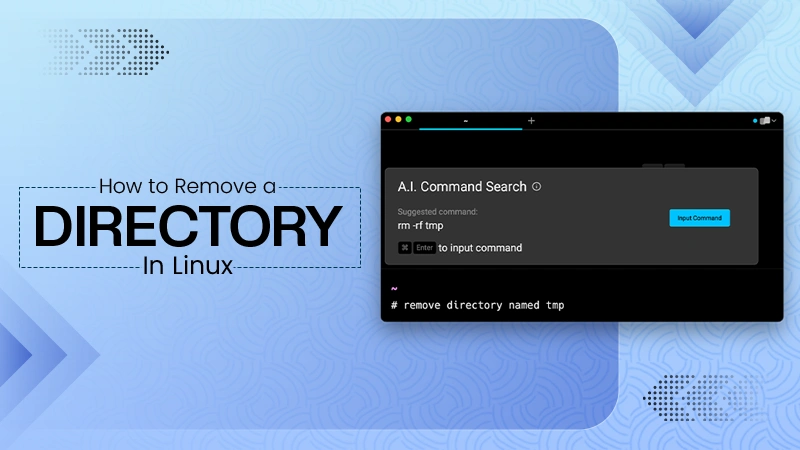
Managing files and folders is a core part of working with Linux. One skill every user should know is how…

Your digital life also runs on small settings most people ignore. Think of your online life like an apartment. You…

The use of SD card recovery software allows you to restore pictures, videos, and document files that have been deleted…

Stressed by too many emails in Outlook? Fix that properly by learning how to mass delete emails on Outlook. A…

Managing payroll is one of the most complex administrative responsibilities for businesses. Beyond calculating wages and issuing paychecks, payroll teams…
Linux data recovery software programs allow users to recover deleted, corrupted, and lost files from their Linux storage device(s) (HDD,…

Managing teams and operations in an aligned way is much more complex than it seems. However, the use of specialized…