Payroll is not just about paying employees on time. Modern businesses now use payroll data to enhance their budgeting, workforce planning, compliance challenge management, and overall business performance. All the information about overtime expenses, labor cost trends, and payroll reports provides important data that helps in smarter decision-making.
According to the Internal Revenue Service (IRS), payroll-related errors are among the major compliance challenges businesses face today, and this leads to penalties and operational inefficiencies.
As companies continue adopting payroll solutions, payroll management systems are becoming more powerful and are not just simple administrative software. Let’s understand how analyzing payroll data effectively helps organizations control costs, improve productivity, and support long-term growth strategies.
Key Takeaways
Payroll management systems are used to automate salary processing and reporting.
Analyzing payroll data can help businesses make better financial decisions.
Reporting that covers salary, tax, overtime, and compliance is vital to business planning
Payroll analytics can be used to find cost reduction opportunities and workforce trends.
Compliance and business growth are supported by modern payroll systems.
What is a Payroll Management System
Payroll Management is a software designed to automate the salary processing of the employees, tax calculation, and deductions. Benefits management and payroll reporting. It streamlines and improves the accuracy of payroll processing and decreases the workload for businesses.
Modern payroll systems also offer reporting and analytics capabilities that enable organizations to keep track of worker costs and stay compliant with tax laws.
Understanding the payroll management system is vital before advancing into the analysis of payroll. Payroll management systems are vital, and it’s essential to comprehend these basics before getting into the analysis of payroll.
There are a few main features of payroll systems, i.e, salary processing, tax calculations, attendance integration, benefits management, compliance reporting, and employee payment tracking.
Most payroll software additionally keeps a track of vital compliance deadlines, such as W-2 key-dates, making sure that businesses submit employee records and taxes on time.
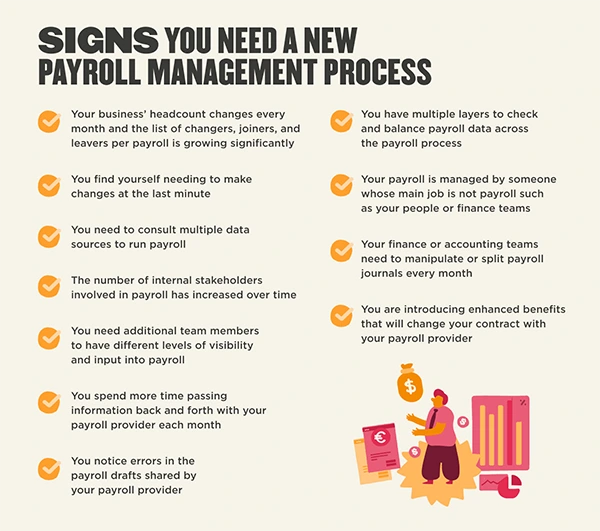
INTRIGUING INSIGHTS Not sure if you need a new payroll management process? Here are 11 signs to figure out.
Why Payroll Data Analysis Is Important for Business Growth
Payroll data is important, and using data about employee costs, productivity of the workforce, and operational spending. If analyzed properly, it can aid businesses in making better financial and strategic decisions.
What once was just an administrative function, businesses now rely on the insights provided by payroll to drive long-term business planning. Payroll data analysis offers several benefits like improved budgeting accuracy, better workforce planning, reduced operational costs, compliance risk reduction, smarter hiring decisions, and improved resource allocation.
Another advantage of payroll analysis is that it can uncover unnecessary costs, such as overworking
Employees, overpaying them, or understaffing. With the labour market continuing to become more competitive and expensive, payroll analytics is a crucial element of financial management and business optimization.
Key Payroll Reports Every Business Should Track
Payroll reports offer companies a detailed picture of salaries, taxes, employee benefits, and labour costs. Regular tracking of such reports allows organizations to keep a check on their financial situation and stay compliant with the regulations. Businesses need to know what payroll reports offer the greatest insights before making strategic decisions.
Salary Reports: Employee salary reports display the levels of salaries paid by the employer, bonuses, deductions made, and trends in employee payment over time.
Why they matter: They help in tracking compensation expenses, recognising salary progression, and supporting budgeting decisions.
Tax Reports: Tax reports enable companies to keep track of payroll taxes and make sure they report correctly to the government.
Why they matter: Avoid filling ta returns with any mistakes, improve compliance management, and reduce penalty risks.
Compliance Data Reporting: Compliance reporting ensures that the labor law and payroll regulations are followed and that the employee documentation obligations are met.
Why they matter: Avoid legal complications, improve audit readiness, and maintain regulatory compliance.
Overtime Reports: Overtime reporting enables businesses to gain insights into the utilization of the workforce and additional costs of overtime.
Why they matter: Control overtime expenses, identify staffing inefficiencies, and make important scheduling decisions.
Benefits Reports: Benefits reports include coverage for insurance, retirement, bonuses, and employee benefits.
Why they matter: Examine costs of employee benefits, improve compensation planning, and support retention strategies.
Financial Reports Detailing Employee Costs: These reports will present the full picture of the cost of the workforce, including salary, tax, and benefits.
Why they matter: Improve financial forecasting, support expansion planning, and measure workforce profitability.
Regularly monitoring these reports allows businesses to make informed decisions regarding their operations and finances.
How to Analyze Payroll Data for Better Decision-Making
It is not just about collecting payroll data. Businesses need to understand the trends and patterns in payroll and leverage them to improve and grow. An organized payroll analysis procedure can help businesses make better and more strategic choices.
1. Compare Payroll Costs Over Time
It is crucial for businesses to audit payroll expenditure at monthly, quarterly, and yearly intervals to be alert to any unusual changes or cost increases.
2. Monitor Overtime Trends
High overtime can be a sign of low staffing levels, poor scheduling, or greater pressures on staff workloads.
3. Evaluate Employee Productivity
By examining the relationship between payroll expenses and employee productivity, businesses can gain insights into how efficiently they are running and how well their employees are performing their duties.
4. Track Compliance Risks
Payroll tax compliance should be watched and tax deductions and reporting should be accurate to minimize risks associated with compliance.
5. Use Payroll Software Analytics
Today’s payroll solutions offer dashboards, automated reporting, and forecasting capabilities, making payroll analysis easier.
These analytics capabilities can assist evolving business needs to adjust to changing demands, enhance workforce organizing, and financial control. Trying to use the insights from payroll data in a strategic way can help businesses cut down on unnecessary costs and optimize for better long-term profitability.
DO YOU KNOW? Manual methods for calculating employees’ pay were much reduced in large businesses by the introduction of the first computerised payroll systems in the 1950s.
Summing Up!
Payroll management systems have come a long way from simple salary processing systems. Now they are able to give businesses a lot of insights into labor costs, workforce efficiency, compliance management, and financial planning. Effective payroll report analysis can help organizations make informed business decisions, mitigate risks, and optimize their business performance.
Salaries, taxes, overtime detail, compliance detail, and employee benefit detail are all reports that assist businesses in better understanding the cost and productivity of their workforce. When paired with the latest analytical tools, payroll data can aid in effective budgeting, hiring decisions, and long-term planning for growth.
With the ongoing digital transformation of businesses, payroll analytics will continue to play a vital role in enhancing efficiency, ensuring compliance, and fostering sustainable growth.
Frequently Asked Questions
What is a payroll management system?
It is software used to automate payroll processing, tax calculations, and employee payment management.
Why is payroll data analysis important?
It helps businesses improve budgeting, workforce planning, and compliance management.
Which payroll report is most important?
Salary, tax, overtime, and compliance reports are among the most important for business.
Can payroll software improve compliance?
Yes, modern payroll systems help businesses track tax filings and regulatory requirements accurately.

 Saipansab Nadaf