
Ans: With the increased volume of operations and documentation work, with stricter guidelines, compliance has become difficult to manage, as delays frequently occur.
5 Common Trade Compliance Challenges That Software Solutions Can Actually Solve
 Mahima Dave
Updated on: Apr 17, 2026
Table of Contents
What actually causes delays in international shipping? Logistics, or something less obvious? In most of the cases, the issues arise not with how the goods move, but how they’re processed before and during clearance. This creates small gaps that accumulate to cause downtimes for the business, slowing everything down.
At the same time, compliance requirements are becoming more interconnected, with regulations and guidelines tightening across global markets, meaning that businesses can no longer rely on manual processes alone and now require systems that enhance the speed of the total workflow.
This article lists the five most common trade compliance challenges faced by organizations and how modern solutions can actually remedy them.
Key Takeaways
- Software solutions keep an eye out for any updates on regulatory information to prevent compliance issues during operations.
- The documentation process is automated, as all the guidelines are reviewed, and the processed data is received by the teams.
- Teams now have accurate information available to them because of centralized data distribution, avoiding a lack of visibility.
- Manual processes are inefficient as the frequency of operations increases across the global landscape
1. Keeping Up With Constantly Changing Regulations
Trade regulations are rarely static. Different countries have different requirements, and those rules can change frequently. For businesses operating across multiple markets, staying updated can quickly become overwhelming.
Missing even a small regulatory update can result in delays, penalties, or shipment rejections. Manual tracking methods often increase the risk of oversight, especially when multiple teams are involved.
This is where software systems assist in bringing clarity across the space. Instead of only relying on scattered updates, businesses can centralize tracking processes and ensure all communication channels remain aligned.
With the help of trade compliance software, companies can stay updated more efficiently and reduce the risk of missing critical regulatory changes.
2. Managing Complex Documentation Requirements
International trade involves a large volume of documentation—from invoices and declarations to permits and certifications. Even small inconsistencies can lead to delays, inspections, or additional scrutiny.
Manually handling this information often results in:
- Data entry errors.
- Missing or mismatched details.
- Inconsistent formatting across shipments.
Over time, these small issues can create major disruptions. In fact, documentation gaps are one of the most common reasons shipments get held at customs.
This is where structured solutions make a noticeable difference. Using trade compliance software helps standardize documentation, centralize trade data, and reduce manual errors across the entire process.
For example, platforms like Livingston International’s TradeSphere are made to streamline compliance by integrating trade data, automating documentation, and improving visibility across multiple shipments.
This practice supports businesses in compliance management by proactively ensuring that documentation aligns with existing regulations before goods even reach the border.
Ultimately, this kind of system-driven approach helps businesses move away from reactive fixes and toward more predictable, efficient clearance processes.
3. Ensuring Accurate Classification and Data Management
The classification of products plays a vital role in ensuring compliance, as assigning the wrong code can affect duties, taxes, and other regulatory requirements, leading to additional delays and hefty penalties.
The challenge is that classification requires accuracy and consistency across large datasets. Even small discrepancies can create compliance risks.
Software solutions help by:
- Centralizing classification data.
- Reducing duplication and inconsistencies.
- Improving visibility across product categories.
When classification is managed efficiently, organizations can avoid unnecessary delays and maintain smoother operations.
Fun Fact
Automated compliance tools can turn weeks of manual audit prep into instant, “audit-ready” reports
4. Lack of Visibility Across Trade Operations
One of the biggest challenges in trade compliance is limited visibility. When data is spread across multiple systems or teams, it becomes difficult to track what’s happening in real time.
This often leads to:
- Delayed decision-making.
- Missed compliance risks.
- Inefficient workflows.
Without clear visibility, businesses end up reacting to issues instead of preventing them.
Digital platforms solve this issue by combining everything into a single streamlined system, allowing teams to monitor shipments, documentation, and compliance status in real time, improving both control and efficiency.
Better visibility doesn’t just eliminate risk but also improves the overall operational performance of the business.
5. Balancing Compliance With Operational Efficiency
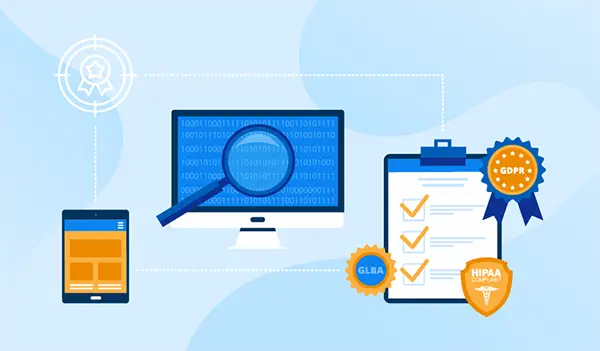
Many businesses struggle to maintain a balance between speed and compliance. Strict processes can slow operations down, but a faster approach may increase the risk of errors. As operations scale, this challenge becomes even more complex.
Manual systems simply can’t keep up with the increasing volume and complexity of the modern trade.
Technology helps bridge this gap by automating repetitive tasks and improving workflow consistency. This allows teams to maintain compliance without sacrificing efficiency.
With streamlined systems:
- Processes become more predictable.
- Errors are reduced.
- Teams can focus on higher-value work.
Instead of choosing between speed and compliance, businesses can achieve both.
Final Thoughts
Trade compliance is no longer just a regulatory requirement. It’s a fundamental part of running efficient global operations. As complexities continue to increase, relying solely on manual processes has become both risky and inefficient.
By addressing challenges like regulatory changes, documentation errors, and lack of visibility, software solutions provide the structure businesses need to stay compliant while maintaining operational flow.
In the end, it’s not just about avoiding delays or penalties—it’s about building a system that supports long-term, scalable growth in global trade.
Frequently Asked Questions
Q1) How are manual operations inefficient?
Q2) What are the benefits of streamlined systems?
Ans: The following are the advantages of centralized software systems:
- Predictable processes
- Errors are reduced
- Teams can prioritize high-value work
Q3) How do software solutions ensure better communication?
Ans: Modern software solutions centralize multiple tracking processes, ensuring all communication channels are aligned perfectly with each other.
Q4) How is documentation managed with software systems?
Ans: Software solutions streamline the process by compiling documentation and reviewing it, thus automating the process. The processed data is then forwarded to teams to ensure no delays take place.
Related Posts

8 Best AI Presentation Makers for Business-Ready Slides
Making a presentation doesn’t just mean designing slides. It’s about defining a clear structure, using defined logic, useful visuals, and…

Queue Management Software Troubleshooting Guide: 8 Common Faults and Fixes
The long wait times and ineffective management of customer queues can have a significant impact on customer satisfaction and business…

How to Use Similarweb Website Traffic Data for Competitor Research
Competitor research without traffic data is guesswork. You can guess who your rivals are, guess how big they are, guess…
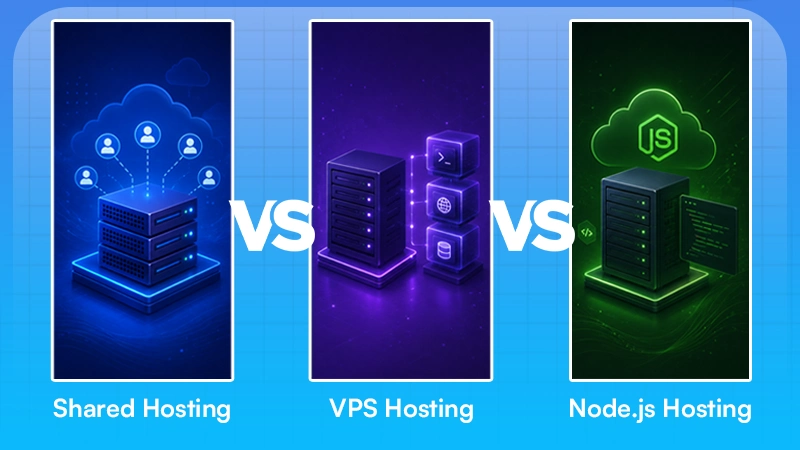
Choosing the Right Hosting Model for Scalable Digital Platforms
The performance of digital business is directly related to website speed, uptime, and scalability. Slow page performance has a negative…

How Data-Driven Performance Tools Are Transforming Employee Recognition in Tech Companies
“People work for money but go the extra mile for recognition, praise, and rewards.” — Dale Carnegie (Writer & Teacher)…

Why Businesses Struggle to Collect Reliable Data from the Web
Almost every company that depends on data runs into the same problem: although they can find the data they need,…
Why Financial Data Recovery Matters for Businesses
Financial data supports every part of a business, directly affecting cash flow, payroll, tax reports, audits, customer billing, and daily…

CMMC Compliance Is Coming for Manufacturers. Here Is What You Need to Do
“Cybersecurity is much more than a matter of IT.” — Stephane Nappo (Cybersecurity Professional) For manufacturers working within the defense…

How Data-Based Tools Influence Learning Performance
Learning has transformed in the modern age with the integration of new technologies to help students and professionals prosper in…