
These are software development projects where teams work from different geographic locations, often across multiple time zones.
Seamless Data Management Across Different Time Zones in Offshore Development Teams
 Saipansab Nadaf
Updated on: Jan 23, 2026
Modern software development is not limited to a single office anymore. Companies can now hire the best of the best from all around the world. A team can consist of developers from Asia, designers from Europe, and project managers from North America, all working for the same cause.
According to reports, 92% of Fortune 2000 companies use offshore/outsourcing strategies, which in turn bring them various benefits.
However, when teams rely on shared codebases, databases, and project files, even the smallest of inconsistencies can create a huge mess. That is why they focus heavily on structured data management practices to ensure everyone, regardless of their time zone, stays on the same page and has the right information at the right time for successful collaborations.
Key Takeaways
- Offshore development teams depend on effective data management in order to work across time zones.
- Unified work processes eliminate confusion and version clashes.
- Real-time collaboration is made possible through cloud storage and version control.
- Secure access policies are used to secure project data.
- Backups and recovery systems protect the projects in case of unforeseen data loss.
Why Time Zone Differences Create Data Management Challenges
The time zone work implies that team workers do not have the same time when online. In case one of the teams completes tasks at the end of their day, and another team is beginning work, a number of problems may occur:
- Slow reaction to queries or problems.
- Updates to files or code that are conflicting.
- Loss of communication on the progress of tasks.
- Challenges in following the most up-to-date versions of common information.
In the absence of definite procedures, teams can end up consuming time trying to decipher which copy of a piece of work is the correct one or who made a particular update.
That is why offshore teams require well-organized systems, which allow working together with the team members being predictable even when those team members are residing in various regions of the planet.
Understanding Data Workflow in Offshore Development Teams
The development of efficient offshoring requires clear data workflows that ensure the production and sharing of information and updating. Such workflows also make sure that the tasks do not get diverted among the teams in various locations, causing confusion or delays.
Data Sharing Across Distributed Teams
Offshore teams are based on the demand for shared project resources at any time. This includes:
- Source code repositories
- Design files
- Technical documentation
- Testing data
- Project management dashboards
When such resources are disseminated in various systems or stored in different places, then cooperation is soon rendered ineffective. Centralized platforms will ensure that all the team members operate using the same information.
Importance of Standardized Data Handling Processes
Consistency in the distributed teams is impossible without standardized data processes. As an illustration, the teams can establish clear rules on:
- File naming conventions
- Document version updates
- Code commit practices
- Data storage locations
These standards eliminate misunderstandings and simplify for team members to comprehend updates, even when they had been made many hours ago by others in a different time zone.
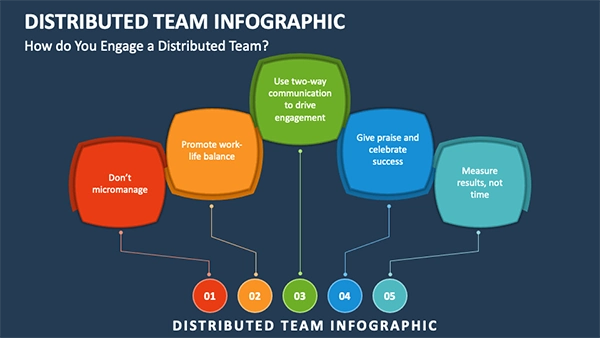
Key Challenges in Managing Data Across Multiple Time Zones
Although offshore collaboration has several benefits, cross-time zone data management has many viable challenges. Version conflicts are one of the most serious issues, particularly in cases when several developers work on the same files simultaneously. Delay in communication is another problem. When a developer has an issue towards the end of his or her day of work, the next possible response might not come until the next day.
Also, there exists the probability of data fragmentation, where files are stored at different locations that are specifically meant to be used in distributed collaboration.
Tools and Technologies That Enable Seamless Data Collaboration
The modern development teams have been dependent on a wide range of tools to coordinate common data and coordinate worldwide.
Cloud Storage
Cloud storage products enable groups to put project files on the cloud and retrieve them whenever they need them. Since information is stored in a centralized setting, programmers in various time zones can access the same files without depending on in-house systems.
Automated backup, access permissions, and tracking activities are also supported by cloud storage.
Version Control
In offshore development, such as in offshore software development in Vietnam, version control systems are essential. These tools monitor all the alterations to the code or documents, allowing it to be easy to
- Identify who made updates
- Restore previous versions
- Find a solution to conflicts between edits
Version control can be used to guarantee the integrity of the codebase. This broader digital transformation in Vietnam can help even in cases where there are several teams working on the project.
Secure Data Access
When information is transferred on a worldwide basis, security also becomes critical. The secure access policies used by teams are
- Encrypted connections
- Role-based permissions
- Multi-factor authentication
These enhancements secure sensitive project information and, at the same time, enable distributed work teams to work effectively.
FUN FACT
Many global software teams follow a “follow-the-sun” model, where work is handed off between teams in different time zones, allowing development to continue almost 24 hours a day.
Role of Data Backup and Recovery in Offshore Collaboration
When projected data is lost in the global development setting, it can have far-reaching implications. In case of a corrupted shared repository or when files are deleted by mistake, cross-time zone teams can all be left without access to important resources.
Effective backup and recovery systems can be used to avoid these disruptions. Organizations can guarantee the ability to recover data promptly in case of failure of something by making frequent backups of project files, repositories, and documentation. Offshore teams are particularly vulnerable to the use of backup strategies since problems detected in one time zone are unlikely to be resolved until the next team goes to work.
Powerful backup infrastructure provides continuity and avoids the wasteful delays in the project.
Conclusion
The development teams’ offshoring provides business entities with the possibility of developing products more quickly and getting access to talent worldwide. Nevertheless, the global collaboration can only be smooth in cases where the data systems underpinning it are well structured and reliable.
Effective work of distributed teams, regardless of the fact that they are separated in space and time by distances of thousands of miles and several time zones, is made possible by clear workflow, standardized processes, and modern collaboration tools.
Organizations investing in effective data management mechanisms not only lessen the communication barriers, but also build environments of development wherein productivity can indeed follow the sun.
Since the information sharing between teams proceeds unhindered by geography, geography ceases to be an obstacle, but a force.
Frequently Asked Questions
What is offshore development collaboration?
Why do time zones create data management challenges?
Because teams may not be online at the same time, making coordination, updates, and communication more complex.
How do offshore teams manage shared project files?
Most teams use cloud storage, centralized repositories, and version control systems to manage shared data.
Is data security a concern in offshore development?
Yes, organizations must implement secure access controls and encryption to protect project data across distributed teams.
Related Posts
How Poor Contract Visibility Leads to Revenue Leakage in Growing Companies
Growth is an important factor that determines the success rate of any business. When we witness new operations, partnerships and…

Managing Bitcoin Operations? Here’s How Salesforce Automation Helps
“Digital currency is here to stay, and it’s only a matter of how long before governments embrace it.” — Brad…

Why Modern Organizations Depend on Data Privacy Software
Data growth has significantly accelerated beyond what most compliance teams can manage, with personal records, financial details, contracts, and emails…

Converting Chats Into Leads While Maintaining Professionalism
The way marketing teams and businesses approach their potential clients to boost their sales has completely transformed in the last…
How to Delete iCloud Account? Complete Guide for 2026
Thinking, how can I delete iCloud or Apple account? It is not just about removing an account; it is about…

How Different Industries Use Specialized Software to Stay Competitive
In the market we have today, companies are always trying to find ways to work better and get results. The…

What Key Adjustments Enhance Visual Appeal Across Web Pages
Attractive web pages form the roots of any appealing website. For instance, imagine looking for content on Google, and you…

When is it Time to Consider IT Support Services for Your Business?
Every business needs to ensure smooth operations for a successful business. But despite trying hard to avoid barriers, technical issues…
How to Delete User Profile in Windows 10: Step-by-Step Guide
You don’t notice user profiles until one starts causing problems. A profile gets corrupted, a login error pops up, or…