
Scope creep is when a project’s goals or tasks expand without planning. It can be handled by using change management steps and clear agreements with everyone involved.
How to Balance the Project Management Triangle Like a Professional
 Kartik Wadhwa
Updated on: Nov 24, 2025
KEY TAKEAWAYS
- Understand what is the project management triangle
- Discover techniques for balancing scope time and budget
- Learn why balancing the triangle is important
A project has many parts. This makes tasks related to management tough. This is why companies spend a lot of money to hire good project managers. Out of a thousand, there are three project management elements that one needs to focus on: ‘Cost’, ‘Time’, and ‘Money’.
These three areas are the main limits of one’s project management that can determine if their business will succeed or struggle. One must keep track of these limits and plan things accordingly, unless they want to risk losing clients. Don’t believe me? According to Market.us scoop, 39% of projects fail due to poor planning. With the help of this informative article, let’s learn more about this.
What Is the Project Management Triangle?
The Project Management Triangle, also known as the Triple Constraint, is a basic yet effective model designed to define the three forces that form every project.
- Scope: What needs to be delivered: tasks, features, outcomes, and project objectives.
- Time: The schedule, milestones, and last deadlines.
- Cost: The budget, considering labor, tools, and resources.
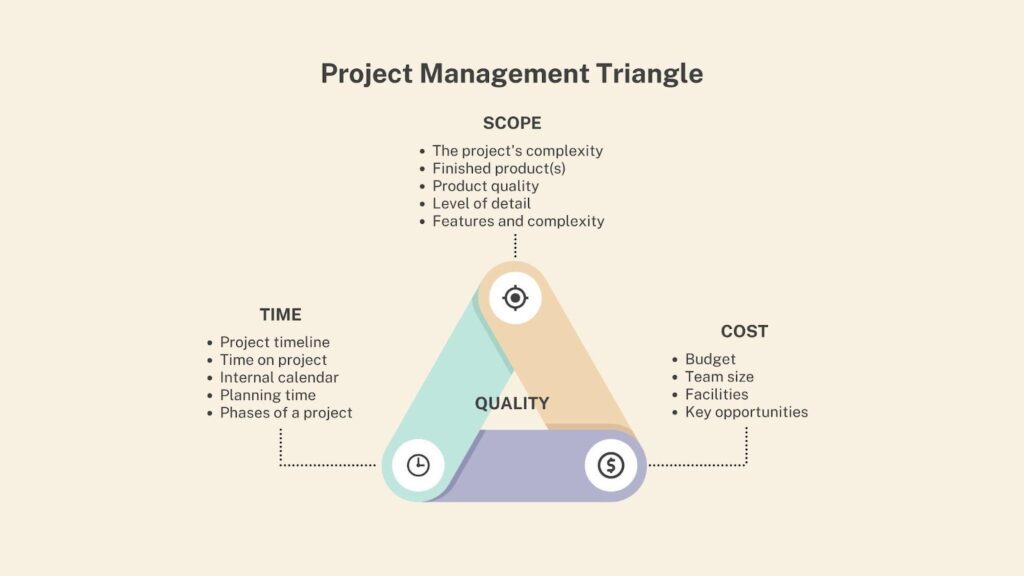
The key rule of the triangle is straightforward: these three constraints are connected with each other.
Making adjustments to one will always affect the others. Let’s learn how?
- If you expand the scope, you will probably need more time or budget.
- If the deadline is shortened, you might have to lower the scope or raise costs by adding extra resources.
- If the budget is cut, either time or scope, or both, might need to be reviewed.
At its roots, the triangle shows us one thing: that project management is all about trade-offs. The purpose is not to remove constraints, but to balance them wisely, so the project still delivers value and fulfills expectations.
If you are a professional who wants to master how to effectively balance the Project Management Triangle: Scope, Time, and Cost, getting started with PMP certification is a brilliant first step.
Techniques for Balancing Scope, Time, and Budget
Balancing the triangle does not act like a magic thing. It’s about early planning, smart decision-making, and transparent communication. Here’s how professional project managers keep all three sides under control:
1. Start with Clarity and Stakeholder Alignment
Unclear expectations can destroy a project quickly. Before execution begins, create a detailed project charter and scope statement. Discuss and document:
- What is included in the project
- What is not included
- Responsibilities and deliverables
Get formal approval from key stakeholders. This early clarity acts as your reference point whenever new requests arise.
2. Use the “Fast, Good, or Cheap — Pick Two” Principle
This classic rule sets realistic expectations. Describe the trade-off clearly:
| If You Want… | Then You Must Be Flexible With… |
| Fast + Good | Cost (it won’t be cheap) |
| Cheap + Fast | Scope or quality |
| Good + Cheap | Timeline |
Putting it this way makes the decision collaborative compared to assertive.
3. Prioritize Using the MoSCoW Method
Not every condition carries the same significance. Use the MoSCoW framework to organize tasks:
- Must-have – Non-negotiable essentials
- Should-have – Important but not crucial
- Could-have – Nice to include if time/budget allows
- Won’t have (this time) – Deferred for future phases
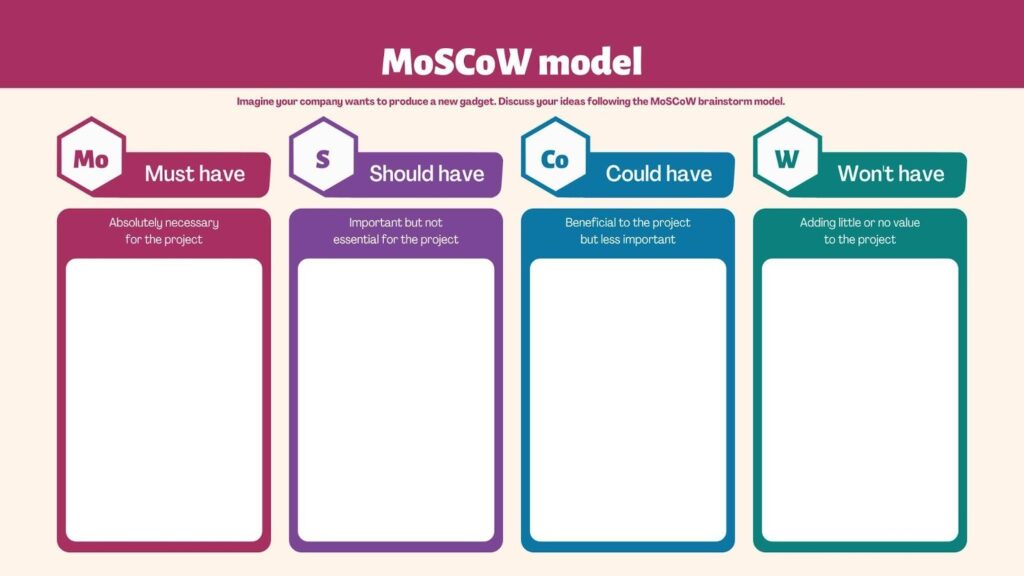
When constraints tighten, you will have a clear checklist for what can be improved without compromising core objectives.
4. Control Scope Creep Before It Controls You
Scope creep is the silent enemy of budgets and timelines. Implement a formal change control process. Every new request should be reviewed based on:
- Impact on cost
- Impact on timeline
- Impact on existing work
You are not turning down requests; you are guiding decision-making. A good term to use is: “Yes, but here’s what that change requires.”
5. Plan for Risks and Track Progress Early
Even the most suitable plans face surprises. Build buffers for time and cost to handle uncertainty. Use tracking tools like:
- Gantt charts
- Burn-down charts
- Dashboards
- Status reports
When you spot delays or budget risks early, you can modify the plan before the project slips into disaster mode.
Why Balancing the Triangle is Important
- Prevents Failures: Projects that don’t effectively control these constraints are at higher risk of loss.
- Builds Trust: When stakeholders see you making informed trade-offs and communicating trade-offs clearly, you earn trust and credibility.
- Protects Quality: By understanding the impact of each decision, you can help avoid sacrificing the quality of your deliverables.
- Improves Forecasting: With techniques that involve EVM, you can predict cost and schedule risks ahead of time, instead of being surprised later.
Conclusion:
A properly managed Project Triangle grows you from an order-taker to a strategic partner. It’s a constant practice of clear communication, wise prioritization, and proactive management. By keeping your triangle balanced, you’ll deliver projects that achieve their goals, stakeholders who believe you, and build a solid reputation as a true professional who gets results.
Success isn’t about flawless conditions; it’s about intelligently managing constraints to deliver what matters most.
Frequently Asked Questions
What is scope creep, and how can it be controlled?
Why do project managers have to balance scope, time, and cost?
Because they are the triple constraints of project management, where a change in one will always affect the other two.
When should stakeholders be taking part in project planning?
They should be fully involved in the project planning from start to end.
Why do projects fail when constraints are not managed?
It’s because it leads to a low level of clear direction, budget overruns, missed deadlines, and unfulfilled objectives.
Related Posts
How Image and File Corruption Happens (and How to Prevent It)
When people think of file corruption, they typically picture something large and visible, like a broken USB stick, a dead…

Key Features to Look for in Log Management Software
Every action within your systems – let it be logins, errors or updates – creates a log. Most of these…
Turning Organizational Data into Actionable Business Insights
Every day, businesses generate huge volumes of data – yet identifying what truly needs improvement and what should be focused…
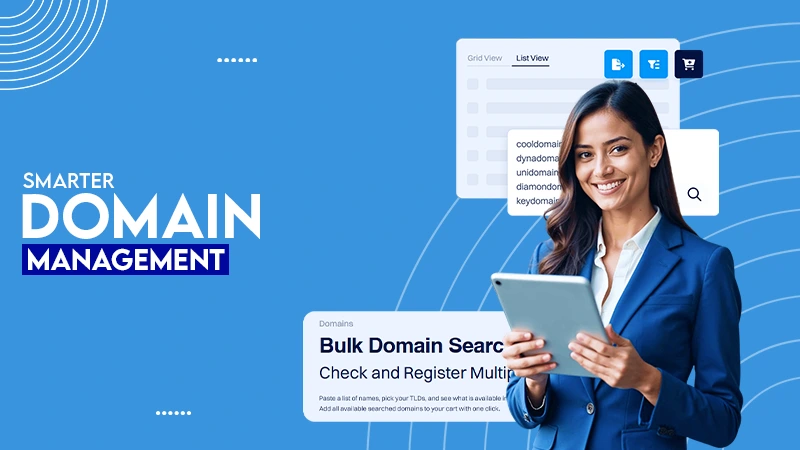
Data Domains in Enterprise Data Management: Tools and Strategies to Maintain Data Effectively
Most enterprises do not struggle due to the lack of data but because they fail to manage it properly. And…

How Marketing Consultants Can Benefit From Data-Driven Marketing Strategies
A few years back, marketing advice was all about instinct and guess work. Experience mattered; creativity ruled. And, yes, these…

7 Best Web Scraping Tools in 2026: Features, Pricing & Honest Reviews
Extracting data from websites shouldn’t feel like solving a Rubik’s Cube blindfolded. Yet for many businesses, web scraping remains frustratingly…
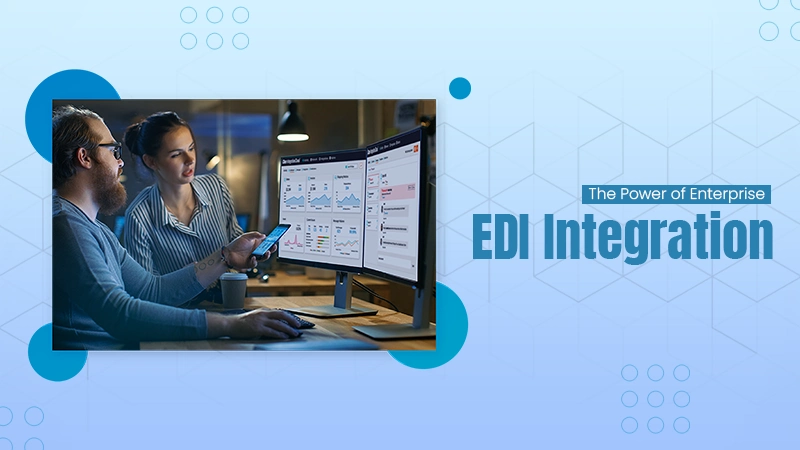
How to Find the Best Enterprise EDI Integration Provider for Your Supply Chain Business
Supply chain systems are all about accuracy. Because even the slightest error can reflect on a series of tasks: one…
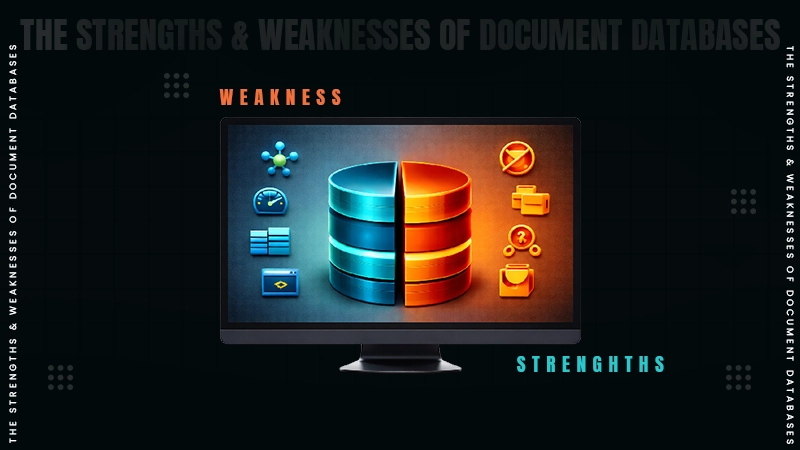
Document Databases: Strengths, Weaknesses, and Comparison With Relational Databases
Data is no longer a byproduct of business; it is the business. With every click on an e-commerce site, organizations…

Backing Up Your Study Files Automatically: Student Setup Guide
You don’t know how much you rely on your laptop until it acts up. The cursor stops moving. The fan…