Cryptocurrency has changed quickly from a small digital experiment to a type of asset that people all over the world know about. In fact, a report from Statista shows that global cryptocurrency ownership reached over 6% of the world population by 2024, and that number is not going down anytime soon. If anything, it will continue to rise.
But something that people do not think about in this whole market is that, though there are big opportunities, there are big risks as well. Hacks, scams, fake apps, and phishing attempts have evolved as well, targeting people who are eager to join the crypto world but might not know the basics of staying safe.
And, in this guide, we’ll dive deeper into this topic and share a roadmap to buy cryptocurrencies safely in 2026. Covering everything from choosing the right platform and protecting your accounts to spotting scams and managing risk so your crypto journey stays on solid ground. In 2026, millions of new people will be joining the crypto market to make investments, make payments, and build wealth over time.
Key Takeaways
Safety matters more than timing for beginners. When you prioritize security habits and verified platforms, you reduce the cahance of loss or fraud.
Reputable exchanges and secure wallets are your best friends. They are the foundation of keeping your crypto assets safe.
Slow and steady wins the crypto race. In 2026, patient beginners who focus on education and asset protection tend to outperform those chasing quick profits.
Understanding risk is half the battle. Phishing, scams, and market volatility are real; awareness makes you less likely to fall for them.
Protecting your private keys and recovery phrases is critical. Lose them, and you may lose access to your crypto forever.
The State of Cryptocurrency Investing in 2026
Crypto investing will be more regulated, accessible, and common than ever by 2026. Many big banks, governments, and global brands are involved in blockchain ecosystems. Bitcoin and Ethereum are still the most popular cryptocurrencies, but stablecoins, layer 2 networks, and real-world asset tokens have become very popular.
Crypto exchanges now have better compliance, better user interfaces, and built-in security tools that are easy for beginners to use. At the same time, hackers have gotten smarter and are now using phishing, fake apps, and social engineering scams to go after people who don’t know much about computers. This means that safety and security education are very important.
The crypto market in 2026 has real chances for new investors, but only if they are careful, do their research, and follow strict rules.
Key Safety Considerations Before Buying Cryptocurrency
Beginners should know that owning cryptocurrency is very different from owning a bank account before they buy it. There is no one central authority that can easily reverse transactions or get money back.
First, only put money into things you can afford to lose. Even though the market has matured, crypto prices are still very volatile.
Second, know that it is your job to keep your assets safe. If you lose your private keys or recovery phrases, you will lose them forever.
It’s also important to check platforms, double-check URLs, stay away from unsolicited investment advice, and know how wallets work. Before you buy your first cryptocurrency, you should be safe.
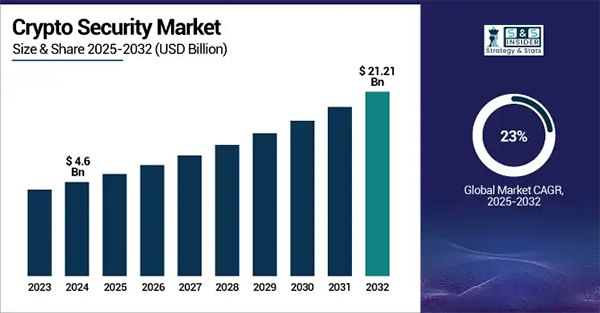
INTRIGUING INSIGHTS The crypto security market is on the rise and is expected to reach $21.21 billion by 2032, rising from $4.6 billion in 2025, growing at a CAGR of 23%.
Step-by-Step Overview of Buying Cryptocurrency Safely
Now that you know how important it is to invest in crypto, and why you should keep note of safety, here is the step-by-step guide on how you can invest in cryptocurrency:
Step 1: Choosing an Exchange
Choosing a trustworthy cryptocurrency exchange is the first step to safe investing. In 2026, reliable exchanges are open about what they do, follow the law, and follow local rules. Look for platforms that have a history of strong security, insurance coverage, clear fee structures, and good reviews from users.
Step 2: Securing Accounts
After you sign up, it is very important to keep your account safe. Make sure your password is strong and one-of-a-kind, and don’t use it anywhere else. Use authenticator apps instead of SMS to set up two-factor authentication whenever you can.
Step 3: Executing Trades
Start small when you buy cryptocurrency. Beginners should start with well-known assets like Bitcoin or Ethereum before moving on to smaller tokens. Be careful when using market or limit orders; make sure you know how precise the move is and what fees apply.
Step 4: Protecting Crypto Assets After Purchase
It is dangerous to leave a lot of crypto on an exchange. After you buy something, put it to safe wallet. In 2026, beginners usually choosebetween hot wallets (mobile or desktop wallets) and cold wallets (hardware wallets).
PRO TIP Before investing a single dollar, create a “security checklist” that includes strong passwords, two-factor authentication (2FA), verifying exchange URLs, and wallet backup practices. This can act as your crypto seatbelt; it won’t make the ride risk-free, but will seriously increase your chances of arriving safely.
Common Risks New Crypto Buyers Face
New cryptocurrency buyers sometimes misjudge the dangers. Phishing attacks, in which phony emails, texts, or websites imitate trustworthy platforms in order to obtain credentials, continue to be one of the top concerns.
Beginners are still falling for scams that include influencer impersonation, phony freebies, and guaranteed profit schemes. Another problem is market volatility, which can lead to irresponsible buying or panic selling due to abrupt price changes.
Users might also risk needless losses by using weak passwords, neglecting software updates, and managing their wallets poorly. To properly navigate these hazards, awareness and prudence are crucial.
Data Privacy, Fraud Prevention, and Recovery Preparedness in Crypto
Looking in 2026, it is safe to say that cryptocurrency is not some distant future tech, instead it has become a part of how everyday people are building savings, making payments, and participating in the global economy. And while the tools have gotten better and safer, the responsibility for protecting assets still lies with the individual investor.
Buying cryptocurrency safely is not as complicated as it sounds, but surely, it is intentional. It means choosing trusted exchanges, securing your accounts, understanding risks before you act, and treating your private keys like the most sensitive possession you own.
In the end, crypto is more like a journey rather than a destination, and the safest journeys are the ones that begin with good habits.
Frequently Asked Questions
Is it safe to purchase crypto in 2026?
In 2026, buying cryptocurrency through regulated exchanges and safeguarded by robust security measures will indeed make it safer.
Should beginners store their crypto on exchanges?
Instead of leaving funds on exchanges, beginners should transfer long-term holdings to safe wallets.
What is the most common error made by crypto investors?
Ignoring security fundamentals like wallet backups, 2FA, and scam awareness is the biggest error.
Is some form of cryptocurrency investing completely “risk-free” in 2026?
No, and anyone who says otherwise should be approached with better suspicion. Even with regulated exchanges and better security tools, crypto investing will carry risk. The Smart way to approach it is to assume problems can happen, then take steps to prevent them.
Data growth has significantly accelerated beyond what most compliance teams can manage, with personal records, financial details, contracts, and emails…

 Mahima Dave