
It focuses on ensuring the safety of data through modern and advanced processes instead of solely relying on networks.
The Role of Data-Centric Infrastructure in Secure Payment Processing
 Mahima Dave
Updated on: Feb 25, 2026
Table of Contents

Digital payments are evolving at a rapid pace. From every small enterprise seller to huge e-commerce platforms, digital payments have become the backbone of modern payment processing.
In fact, the global processing market, which was valued at over $100 billion in 2023, is expected to account for more than half of e-commerce transactions in 2026. (Source – Airwallex)
While the convenience has transformed how people and businesses interact, the risk of superficial attacks has also expanded. To tackle this, a modern data-centric infrastructure approach, including a payment gateway acquirer, is playing a critical role.
This article explains briefly how data-centric infrastructure ensures safe and secure payments in today’s digital world.
Key Takeaways
- The data-centric method directly focuses on the protection of user data instead of settling on networks.
- The evolving digital way to make payments increases the demand for more reliable security methods.
- Encryption, tokenization, and access control are the core technologies behind the data-centric infrastructure.
How Data-Centric Architecture Ensures Payment Security
The reason for the failure of traditional payment methods is their strategy. Earlier, payment platforms used to focus on securing the systems and networks. And today’s advanced hackers and cybercriminals could easily attack these systems through advanced hacking practices.
Resolving this, the data-centric approach was introduced. Instead of focusing on protecting networks, it directly protects the data of the users through technological advances that are almost impossible to decode. This arrangement ensures that the user’s data remains protected irrespective of how it is being accessed.
This includes the use of encryption, access control policies, and identity-based authentication that restrict the invalid usage.
The Rising Need to Safeguard Financial Data in Digital Transactions
The rise of online payments, digital wallets, and online banking has significantly increased the volume of sensitive user information being shared online. According to sources, in the Asia-Pacific region, 70% of e-commerce transactions were done by digital wallets in 2023, whereas in North America, only 37% wallet payments. This advancement has welcomed the cybercriminals to target sensitive data through fake identity theft and card scamming.
This exposure to online breaches and personal identification information has raised a demand to safeguard financial data in every electronic payment landscape. With data-centric infrastructure being the foundation of financial systems, protecting payment card information is no longer optional.
To manage these security demands, many businesses rely on multiple payment gateways and third-party services. Connecting these platforms manually often creates security gaps and increases the risk of data leaks. Using a unified integration hub allows companies to manage all their payment endpoints through a single API. This is where utilizing pre-built spreedly connections helps merchants simplify their payment architecture. By routing transactions through a secure, centralized hub, businesses can maintain strict data controls without building custom integrations for every new provider.
To manage these security demands, many businesses rely on multiple payment gateways and third-party services. Connecting these platforms manually often creates security gaps and increases the risk of data leaks. Using a unified integration hub allows companies to manage all their payment endpoints through a single API. This is where utilizing pre-built spreedly connections helps merchants simplify their payment architecture. By routing transactions through a secure, centralized hub, businesses can maintain strict data controls without building custom integrations for every new provider.
Core Technologies Behind Secure Payment Structure
A data-centric approach to ensure safer payment processing uses many innovative techniques. Taking advantage of advanced technologies, it protects users’ sensitive data without affecting the speed of transactions and users’ experience. Let’s understand the core technologies behind safe payments—
Encryption and Secure Key Management
Encryption turns payment data into an unreadable code. Even when shared, encrypted data can be brought to no use without decryption keys. The right key management ensures that data is stored safely. This method increases the level of protection for user information.
Tokenization and Data Masking
Tokenization is a process that generates tokens instead of showing card numbers. These tokens are of no misuse value, making them safe for storage and processing. A step ahead, data masking protects sensitive details when complete visibility is not necessary.
Secure Storage and Access Controls
Secure storage ensures payment information is in a safe place while preventing unauthorized access. This involves encryption, zero exposure, and other practices. Access controls avoid the sharing of access with anyone. Except for users, no other user can access the details.
Meeting Security Standards While Minimizing Fraud Risks
Payment processors are working in a strictly followed environment that is specially designed to protect the user’s details and ensure the follow-up of the transaction policies. Standards such as PCI DSS make it necessary for the platforms to use encryption, use reliable storage, and monitor things continuously.
On the same level, advanced fraud detection systems take advantage of real-time data, behavioral patterns, and AI-driven risk scoring to predict the chances of a scammer executing suspicious activity. Integrating specialized strategies such as affiliate fraud detection allows platforms to identify manipulative activity and protect revenue channels before unauthorized claims impact financial integrity. Through proper inspection and continuous monitoring of fraud activities, transaction patterns can be analyzed, and users’ behaviors can be considered for future prediction.
This effective coordination between necessary policies and innovative practices ensures the prevention of fraud.
The Future of Secure Payment Processing
The future of payment security is in safe hands with an effective approach to protect sensitive information instead of relying only on networks. As digital payment adoption is booming with time, data-centric infrastructure is becoming a core player to prevent fraud, follow required compliance, and protect the trust of customers.
Businesses need to adopt these smarter security frameworks today to ensure their steady, significant, and future-ready growth without compromising user trust.
Frequently Asked Questions
What is so special about data-centric infrastructure?
How to bring encryption into operations?
Various paid and free platforms are available that provide encryption services. It enhances the level of protection for user data.
Why does data security need to be secured beyond network defenses?
It helps to protect critical financial data at every stage, reducing fraud risks and preventing breaches.
Related Posts

8 Best AI Presentation Makers for Business-Ready Slides
Making a presentation doesn’t just mean designing slides. It’s about defining a clear structure, using defined logic, useful visuals, and…

Queue Management Software Troubleshooting Guide: 8 Common Faults and Fixes
The long wait times and ineffective management of customer queues can have a significant impact on customer satisfaction and business…

How to Use Similarweb Website Traffic Data for Competitor Research
Competitor research without traffic data is guesswork. You can guess who your rivals are, guess how big they are, guess…
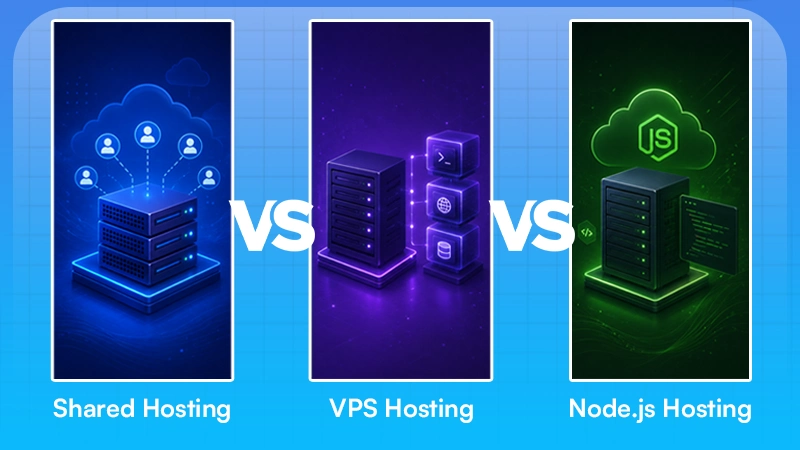
Choosing the Right Hosting Model for Scalable Digital Platforms
The performance of digital business is directly related to website speed, uptime, and scalability. Slow page performance has a negative…

How Data-Driven Performance Tools Are Transforming Employee Recognition in Tech Companies
“People work for money but go the extra mile for recognition, praise, and rewards.” — Dale Carnegie (Writer & Teacher)…

Why Businesses Struggle to Collect Reliable Data from the Web
Almost every company that depends on data runs into the same problem: although they can find the data they need,…
Why Financial Data Recovery Matters for Businesses
Financial data supports every part of a business, directly affecting cash flow, payroll, tax reports, audits, customer billing, and daily…
CMMC Compliance Is Coming for Manufacturers. Here Is What You Need to Do
“Cybersecurity is much more than a matter of IT.” — Stephane Nappo (Cybersecurity Professional) For manufacturers working within the defense…

How Data-Based Tools Influence Learning Performance
Learning has transformed in the modern age with the integration of new technologies to help students and professionals prosper in…