
Mastering Display Fonts: The Ultimate Typography Guide
 Mahima Dave
- Understanding Display Font Fundamentals
- Selecting the Perfect Display Font
- Technical Implementation Guidelines
- Effective Font Pairing Strategies
- Common Implementation Mistakes
- TypeType's Design Philosophy
- Future Trends in Display Typography
- Practical Implementation Examples
- Building Your Display Font Library
Display fonts transform ordinary designs into extraordinary visual experiences. These expressive typefaces capture attention and convey personality. TypeType specializes in creating exceptional display fonts.
Understanding Display Font Fundamentals
Display fonts prioritize visual impact over readability. They work best in large sizes and short texts. Their decorative nature makes them perfect for headlines.
The Historical Evolution of Display Typography
Display fonts emerged during the industrial revolution. Advertising growth demanded attention-grabbing typefaces. Victorian era designs featured elaborate ornamental details.
Key Historical Periods
- 19th Century: Ornate wood type productions
- Art Nouveau: Organic, flowing letterforms
- Art Deco: Geometric, streamlined designs
- 1960s Psychedelic: Vibrant, distorted creations
- Digital Age: Unlimited creative possibilities
Contemporary Display Font Applications
Modern designers use display fonts strategically across media. They create memorable brand identities and visual hierarchies. Digital platforms offer new implementation opportunities.
Current Usage Scenarios
- Logo design and brand identity systems
- Poster and billboard advertising campaigns
- Website headers and hero sections
- Book covers and publication designs
Selecting the Perfect Display Font
Choosing appropriate display fonts requires careful consideration. The selection process involves multiple important factors. TypeType offers comprehensive font families.
Project Requirements Analysis
- Define the project’s tone and message
- Identify the target audience demographics
- Consider cultural context and associations
- Evaluate technical implementation needs
TypeType Display Font Categories
- Serif Display: Elegant and traditional
- Script Display: Fluid and expressive
- Geometric Display: Clean and modern
- Novelty Display: Unique and thematic
- Blackletter Display: Historic and formal
Technical Implementation Guidelines
Proper technical setup ensures optimal performance. Consider file formats and loading strategies. TypeType provides comprehensive technical support.
Performance Optimization Strategies
- Choose appropriate file formats (WOFF2, TTF)
- Implement font loading strategies carefully
- Use font-display: swap for web fonts
- Subset fonts to reduce file sizes
- Consider variable fonts for flexibility
Accessibility Considerations
- Ensure sufficient color contrast ratios
- Maintain adequate text sizing
- Provide fallback font options
- Consider users with visual impairments
Effective Font Pairing Strategies
Successful typography combines multiple typefaces harmoniously. Display fonts need complementary supporting faces. TypeType offers curated pairing suggestions.
Proven Pairing Approaches
- Combine one display font with neutral text
- Ensure clear contrast between styles
- Limit to two or three typefaces maximum
- Consider historical period compatibility
Common Implementation Mistakes
Many designers encounter similar challenges with display fonts. Awareness helps prevent these common errors. TypeType provides educational resources.
Critical Errors to Avoid
- Using display fonts for body text
- Choosing overly trendy typefaces
- Ignoring mobile responsiveness
- Overlooking loading performance
- Mismatching font and message tone
TypeType’s Design Philosophy
Our approach combines artistic vision with technical excellence. We prioritize both beauty and functionality. Each font undergoes rigorous testing.
Quality Assurance Process
- Multiple design review stages
- Cross-platform compatibility testing
- Performance optimization procedures
- User experience validation
- Long-term support commitment
Future Trends in Display Typography
Display fonts continue evolving with technology. New possibilities emerge regularly. TypeType invests in research and development.
Emerging Directions
- Variable font technology adoption
- Animated and interactive typography
- Three-dimensional type treatments
- Augmented reality implementations
- AI-assisted font generation
Practical Implementation Examples
Real-world examples demonstrate effective display font usage. These case studies provide valuable insights. TypeType showcases successful projects.
Successful Case Studies
- Brand identity transformation examples
- Website redesign success stories
- Packaging redesign implementations
- Advertising campaign typography
Building Your Display Font Library
Curating a quality font collection takes time and strategy. Invest in versatile, well-designed typefaces. TypeType offers various licensing options.
Collection Development Tips
- Start with versatile foundational families
- Consider project requirements carefully
- Balance trendiness with timelessness
- Evaluate technical specifications thoroughly
Display fonts remain essential tools for creative expression. They transform communication into memorable visual experiences. TypeType continues pushing typographic boundaries while maintaining quality standards.
When people think of file corruption, they typically picture something large and visible, like a broken USB stick, a dead…

Every action within your systems – let it be logins, errors or updates – creates a log. Most of these…

Every day, businesses generate huge volumes of data – yet identifying what truly needs improvement and what should be focused…
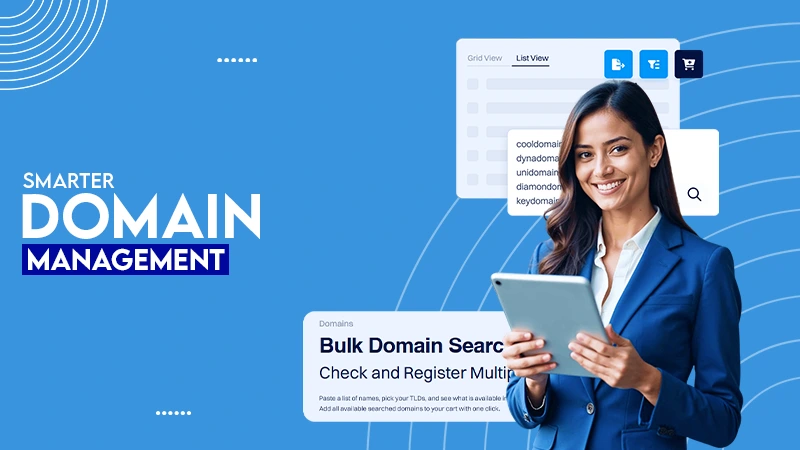
Most enterprises do not struggle due to the lack of data but because they fail to manage it properly. And…

A few years back, marketing advice was all about instinct and guess work. Experience mattered; creativity ruled. And, yes, these…

Extracting data from websites shouldn’t feel like solving a Rubik’s Cube blindfolded. Yet for many businesses, web scraping remains frustratingly…
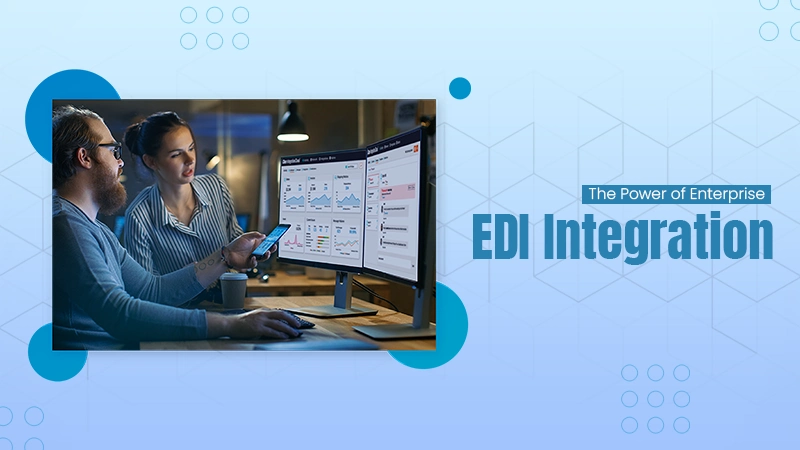
Supply chain systems are all about accuracy. Because even the slightest error can reflect on a series of tasks: one…
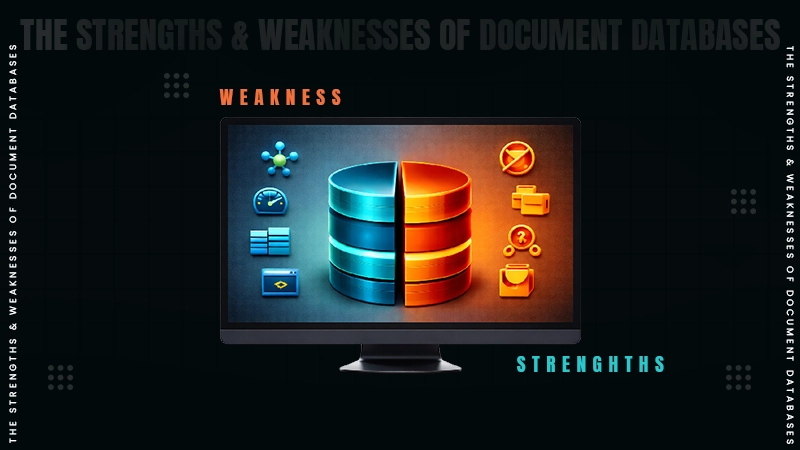
Data is no longer a byproduct of business; it is the business. With every click on an e-commerce site, organizations…
You don’t know how much you rely on your laptop until it acts up. The cursor stops moving. The fan…