
How AI Is Changing Virtual Job Interviews


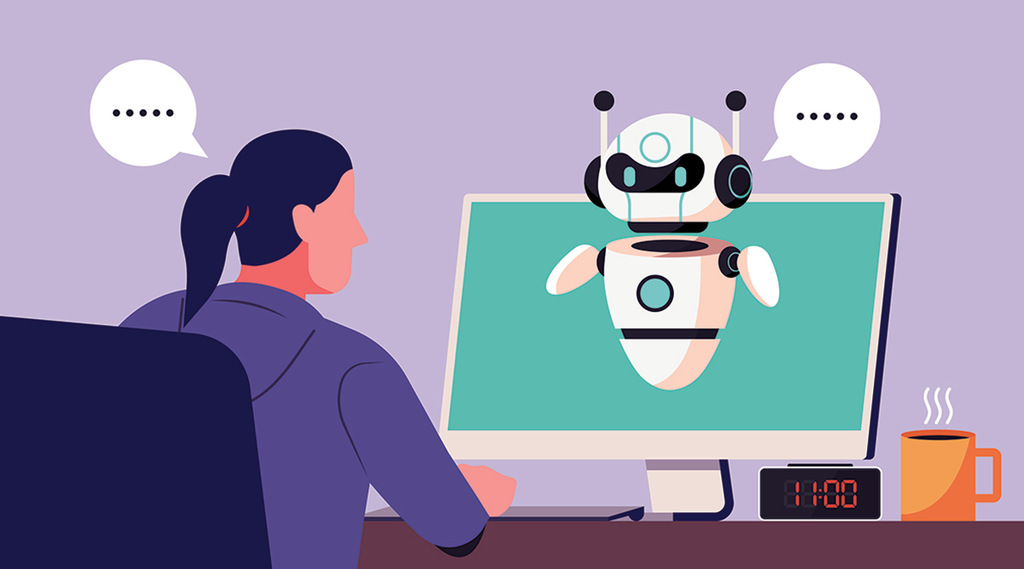
A candidate is mid-sentence on a Zoom call, answering a regular question, when suddenly their mind goes blank for a few seconds. Some years ago, that pause was just a small stutter.
But now it might be the moment an AI tool quietly resurfaces a prompt only the candidate can see. Virtual interviews have been the routine for many years now. What’s new is that the software doesn’t just help someone prepare but also sits alongside them while it happens.
Here’s how AI helps individuals before the interview even begins, and how it changes and adapts according to every interview type.
How Does AI Help Before the Interview Even Starts?
Most applicant pools still start with the basics: researching the company, reviewing the job description, practicing common questions. AI has processed parts of this faster, generating likely questions from a job posting or suggesting talking points based on a resume.
This kind of preparation tool has been around for long enough to feel familiar, and it is actually useful. A candidate uploads a resume, indicates the tool at a job posting, and gets practice questions tailored to that role.
Its limitation is simple. Once the real conversation starts, the candidate is on their own again.
What Changes Once the Interview Starts
That gap is where a newer line of tools has appeared. Instead of only helping before the interview, some AI systems now work directly with the candidate during the actual call, on platforms like Zoom, Google Meet, Teams, or Webex. These programs listen to the conversation, identify when a question has been asked, and offer feedback in real time, visible only to the candidate.
This is a meaningful technical shift. Reliable interview query detection depends on the software telling the interviewer’s voice apart from the candidate’s, which is slightly more difficult than it sounds on a single mixed audio stream. Purpose-built interview tools are likely to handle this better than general meeting assistants, which are often based around manual activation rather than detecting questions on their own.
There is also a design object that most people do not think about until they hit it. If a tool is going to be useful during a call where the candidate might be requesting to share their screen, it needs to stay visible only to them. Several tools built specifically for interviews are designed with that in mind, rather than considering that the candidate will never share their screen at all.
Why Does Context Matter So Much?
A generic AI response to an interview question is seldom useful on its own. Anyone can ask a chatbot “tell me about a time you handled conflict” and get a reasonable-sounding answer. It just will not sound like the candidate’s own observations, and an interviewer can usually tell.
This is why context has become the more interesting part of the story. Some candidates now use an AI interview copilot to help interpret interview requests and provide more relevant support based on the role and interview context, drawing on their cover letter, the job description, and details about the company rather than submitting a generic answer.
Some tools go a step further and let candidates load specific answers ahead of time, so a prepared story about a real project shows up at the right moment instead of being generated fresh under pressure.
Does It Work the Same for Every Interview Type?
Not quite. Behavioural interviews reward a clear, organized story, so tools here tend to focus on pulling from a candidate’s real experience. Technical interviews are a particular problem, often requiring a candidate to read a coding problem from the screen and reason through it out loud, sometimes on a custom assessment platform rather than a standard video call. Case interviews, common in consulting, ask for something else again: a model that is applied live, not a rehearsed answer.
Some AI copilots have started setting up distinct modes for these situations, offering behavioural support in one mode and dedicated coding assistance in another, rather than treating every interview the same way. That split matters more than it might seem. A tool crafted for storytelling is not much help midway through a live coding problem, and the contradiction is also true.
Is Using AI During an Interview Actually Okay?
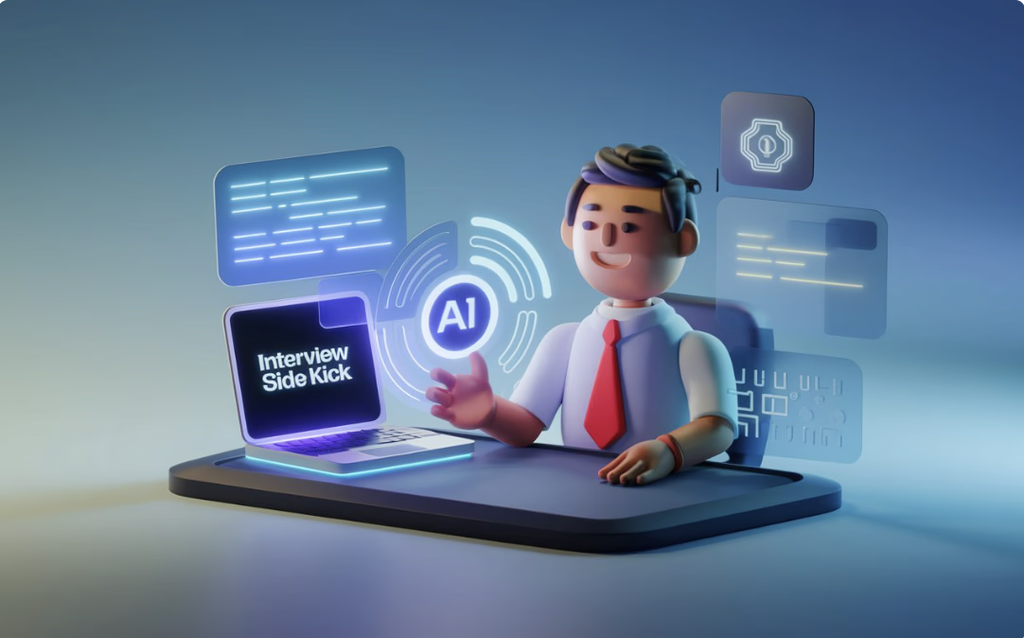
That depends on who you ask. Company laws vary. Some employers are open about candidates using training tools, while live, in-the-moment assistance during an interview is a more sensitive area that not every employer or platform readily addresses.
Candidates considering these tools should check the interview platform’s terms and any stated policy from the employer. Responsible use begins with understanding what a tool actually does, and being honest about whether using it fits the situation.
Conclusion
AI has not changed interview preparation, and it has not replaced the interview itself. What it has done is add a layer of support that flows from the days before an interview into the call itself, for candidates who choose to use it. How employers react to this shift is still being worked out. For now, AI is becoming one more part of how virtual interviews are conducted, not a replacement for the conversation happening between two people.
FAQs
Q1) What do behavioural interviews reward?
Ans: Behavioural interviews reward a clear, organized story, so tools here tend to focus on pulling from a candidate’s real experience.
Q2) What does reliable interview query detection depend on?
Ans: Reliable interview query detection depends on the software telling the interviewer’s voice apart from the candidate’s, which is slightly more difficult than it sounds on a single mixed audio stream.
Q3) What do AI programs do?
Ans: These programs listen to the conversation, identify when a question has been asked, and offer feedback in real time, visible only to the candidate.
It’s best to use HeyGen AI to create videos for you that answer a particular question or pain point. You…

After completing the period of 16 months, all the data and access are deleted from Google Search Console’s database. After…
Digital transformation projects are on the rise at this time. From government-backed initiatives to enterprise cloud adoption and AI integration.…
Where does your business email go when you click the send button? The impression is that the email just goes…
CI/CD has changed its job because coding agents now write a growing share of the changes that reach a repository.…

An offshore SEO team in India is becoming more and more an option for great profit for global agencies; it’s…

How do you change signature in Outlook? It sounds simple until you realize that the steps vary across Windows, Mac,…
Buying model work before the data work is the most expensive order to do it in. The pilot shows well,…

In September 2026, GoodFirms listed 853 software development companies in California. The group had a median hourly rate of $37,…