


More than once a year. A single annual questionnaire isn’t enough. Real protection means having ongoing visibility into what vendors can access at a given time.
The Ransomware Risk You’re Not Monitoring: Your Vendors
Ransomeware used to be random. Attackers sent out mass emails and just waited to see who clicked, but that’s not how it works anymore. Now attackers pick their targets, and they go after the ones most likey to pay up.
The scale of this is genuinely huge. According to the National Library of Medicine, the 2024 ransomware attack on Change Healthcare knocked out care services across the country, exposed the health data of 100 million people, and ended up costing nearly $2.4 billion. That’s the level of ransomware operates at today, and one of the sneakiest way attackers get in through something companies barely think about: their vendors
What This Shift Means
Because attackers have gotten smarter, companies can’t just lock down their own systems. The real question isn’t “how secure we are” but it’s “how secure is everyone we’ve given access to”. Most companies only really start asking that question after something’s already gone wrong, which is exactly the gap tools like the Black Kite AI Agent are trying to close. It is giving businesses ongoing visibility into vendor risk before it turns into an actual breach.
How Vendors Become the Entry Point
It’s not complicated why attackers go after vendor instead of big companies. Big enterprises spend a ton on email security, network monitoring, secure hosting, and employee training. Attacking them head-on is expensive and often not worth the effort. Vendors, on the other hand, usually run on tighter budgets with weaker security, yet they still have access to the exact same sensitive data attackers are after.
Once an attacker gets into a vendor’s system, they’ve got several ways in, such as shared network access, stolen credentials, or even tempered software updates pushed out through a managed service provider. From the company’s side, none of it looks suspicious, since it’s all coming from a source they already trust. By the time anyone notices, the attacker’s already copied the data they plan to encrypt, leaving the company stuck choosing between paying up or watching their information leak publicly.
What Recovery Really Looks Like
A lot of people assume recovering from ransomware is simple, they can negotiate or refuse, pull from backups, move on. In reality, it’s rarely that clean, especially when the breach started with a vendor instead of your own systems.
Detection is usually the first problem. Security tools are watching your environment, not your vendor’s. So there’s a good chance the attacker got in through a trusted connection long before any alarm went off, quietly studying your systems and grabbing data while everything still looked normal.
Then there’s the backup issue. Even solid backup routines can fall if attackers had enough time inside your systems to corrupt them first. The modern-day dwell times are only gaining speed, thanks to AI-assisted lateral movement and phishing, that “dwell time” keeps shrinking. And even when backup do hold up, restoring everything can still take days, results in real downtime, lost revenue, and damaged trust with customers.
It’s also getting messier for businesses running SQL databases or email systems. After a breach, they’re often left dealing with things like corrupted OST files or locked PST archives.
Having a Smart Vendor Risk Strategy
A yearly vendor questionnaire isn’t enough to catch any of this. Real protection means having visibility into vendor access all the time, not just once a year.
Start by mapping out access, list every vendor connected to your systems and exactly what they can reach. From there, rank vendors by risk. A vendor with access to your email servers is a completely different risk with one with limited, read-only access.
Contrats need to be airtight too. Any vendor handling sensitive data should be required to meet clear security standards, report incidents within a set timeframe, and agree to regular audits, all should be written into contract itself. This kind of accountability is becoming less optional, especially with regulations like CMMC compliance putting more pressure on companies.
Final Thoughts
Attackers usually don’t go for the hardest target, they go for the easiest one. And more often than not, that’s a vendor, not the company itself. Vendors have real access to the systems but rarely the same level of security protecting them.
At last, every vendor connected to your data is a risk, whether your security policies account for that or not. If a vendor gets breached, it’s still the company that has to deal with it and pay for the recovery. So, the smartest move is building a vendor risk strategy before anything happens, not after.
Frequently Asked Questions
How often should companies check on their vendor’s securit?
Why do attackers target vendors instead of going straight for the main company?
Becasue it’s easier and cheaper. Big companies spend heavily on security but vendors often don’t, even though they have access to the same sensitive data.
What is the first step in building a vendor risk strategy?
The first step is mapping. Start by mapping out exactly which vendors have access to your system and what they can actually access and see
Related Posts
The 8 Best Automated Accessibility Testing Tools for Websites
Great copy and sharp design don’t prove that your website is accessible. It’s things like colour contrast, missing alt text,…
Cybersecurity Training for Beginners: 4 Practical Options Compared
Starting in cybersecurity is confusing because most beginner options look similar on the surface. Some are compact awareness courses, some…
The Ultimate Guide to Electronic Signatures for Businesses 2026
Electronic signatures are making modern workflows more convenient and time-saving. This guide to electronic signatures will let you know how…
How Email Authentication Fits Into a Layered Cybersecurity Strategy
One convincing email can be sufficient to pose major problems regarding security for a business. An email that appears to…

7 Best Client Intake Software Tools in 2026 for Service Businesses
A client intake form works best for collecting data like names, contact information, and project needs. But what does a…
Top Salesforce Consulting Companies: How to Choose the Right One
Salesforce consulting firm was not something that is too difficult to choose. But nowadays, there are too many options available…
How IT Teams Can Protect Data Across Thousands of Employee Devices
Protecting employees’ data from when they get hired and get their first laptop to the day the laptop finally gets…
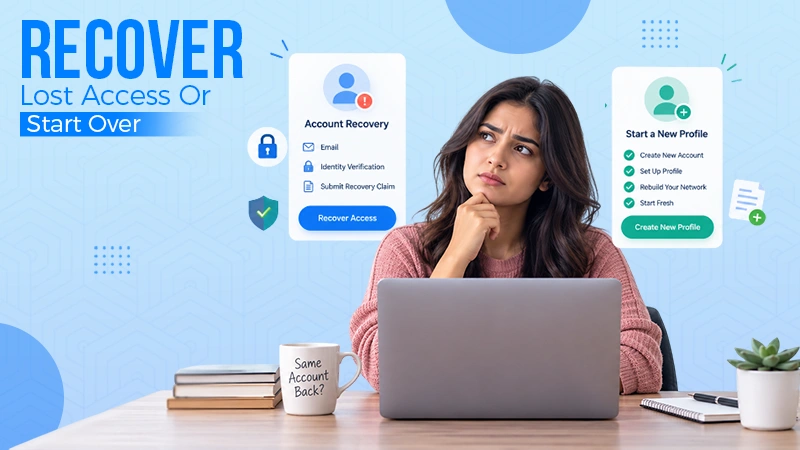
Recovering Lost Access: When to File Recovery Claims vs. Starting Over with Established Profiles
ALT: Recovering lost access to a profile IMG SRC: https://www.howtogeek.com/microsoft-excel-ways-to-recover-lost-work/ Losing access to an old online profile can be frustrating,…
Top 10 Privacy-Preserving Identity Verification Providers
Choosing the best identity verification software is a high-stakes decision for any business that verifies customers remotely, identity documents, facial…