


No. SEO is not dead and might be worth investing in.
How Long It Takes to See Results From SEO Services
Have you ever written a blog, posted it on the website, and waited for it to blow up? And if you have done that, you might know how excitedly you wait for a noticeable bump. But even after a week, the number looks the same, and the excitement that you felt at starting gets fed up. Sometimes these weeks turn into months; nothing changes. You might wonder whether to continue writing, publishing content, second-guessing website design, or just feel pressure to justify a marketing budget to a business partner or manager who is asking for results.
Understanding a realistic timeline is really important. Speaking directly with a provider about what their seo service actually involves, and what results typically look like, gives a much clearer sense of what to expect.
Habits That Slow Down Visible Progress
Publishing Inconsistently
Someone might publish three blog posts in an excited way in the first week, then go silent for a month once other priorities take over. Search engines tend to prioritise sites that publish consistently over time, so this stop-and-start pattern can slow steady progress from regular content.
Chasing Every New Keyword Trend
It is tempting to jump from one trending topic to another, hoping that a new post will be the one that finally gets noticed. This habit can spread effort across too many unrelated topics, making it harder for a site to build authority in any one specific area, which is actually what search engines reward over time.
Ignoring Technical Issues Behind the Scenes
Someone focused wholly on writing content might overlook slow page loading, broken links, or mobile display problems that quietly work against their efforts. These technical details are easy to miss since they do not show up in the content itself, but they can restrict search performance even when the content is useful.
Adjustments That Ease the Waiting
Recognizing Early Signals Before Rankings Shift
Meaningful ranking movement mostly takes months, but there are usually earlier signals worth paying attention to, like small increases in impressions or a page starting to appear for a few new search terms. Someone who checks these earlier indicators instead of only watching for a jump in overall traffic tends to feel less discouraged during the early stages, because small signs of progress can appear before traffic increases.
Practical Adjustments for Daily Comfort
Setting a Realistic Review Schedule
Rather than checking analytics daily and reacting to normal fluctuations, someone might review performance once a month, comparing broader trends over that period instead of day-to-day noise. This shift in timing alone tends to prevent a lot of unnecessary stress, since short-term dips are far less alarming when viewed as part of a longer pattern.
Aligning Internal Expectations Early
Business owners working with a partner or team can set clearer expectations upfront by sharing a realistic timeline before work even starts, rather than fielding questions about results a few weeks in. Someone who does this tends to face far less pressure internally, because everyone involved understands that meaningful search engine optimisation (SEO) progress can take several months instead of a few weeks.
Setting the Right Expectations
Publishing on a steady schedule rather than in bursts, fixing technical issues in the background, and checking monthly trends instead of daily fluctuations can support more consistent and sustainable growth.
Meaningful results often take a few months to become visible. Understanding this timeline from the start can make the process feel less uncertain and limit the urge to judge progress from daily traffic changes.
Frequently Asked Questions
Is SEO dead or evolving in 2026?
Which AI is best for SEO?
GrowthBar is considered the best AI for SEO writing and keyword research.
What is AI SEO called now?
AI SEO is now called Generative engine optimization (GEO), the practice of structuring digital content and managing online presence to improve visibility.
Related Posts
The Cost of AR: Is It Affordable for Small Businesses in 2026?
If you have a small shop, or a local brand, or a growing e-commerce store, you don’t need the factory…
How to Send a Folder Through Email: A Step-by-Step Guide
When you need to email multiple documents, sending them one by one can be tedious. You might prefer to attach…

Dynamics 365 Integration Debt and How to Reduce It
Business Central and Dataworks are designed to work together, but many organizations still struggle with disconnected data, manual processes, spreadsheet…

AI Strategy at the Doctoral Level: What Changes for IT Leaders
Artificial intelligence is moving from experimental demonstrations into budgets, workflows, and enterprise decision-making, as advanced AI trends are shaping the…

Navigating the Tech Landscape: The Best Software Development Companies for 2026
If you are any kind of modern business, finding a good, reliable developer is essential in 2026. It’s also true…
Why Small Businesses Are Moving Payroll Processes Online
Do you know that 82% of small business owners work more than 40 hours a week and most of the…
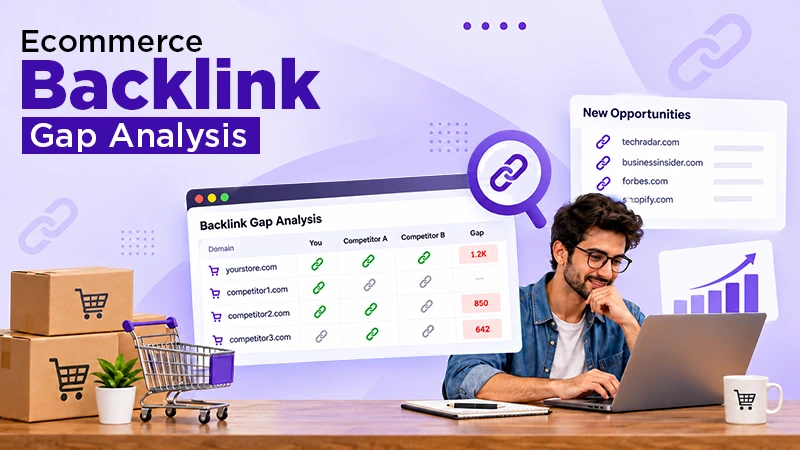
Ecommerce Competitor Backlink Gap Analysis: A Data-Led Workflow
Ecommerce competitor backlink gap analysis helps a store identify websites that link to competing shops but not to its own.…

Using HeyGen AI for Sales and Customer Onboarding
It’s best to use HeyGen AI to create videos for you that answer a particular question or pain point. You…

Search Console Forgets Everything After 16 Months: How to Back Up Your SEO Data
After completing the period of 16 months, all the data and access are deleted from Google Search Console’s database. After…