


Yes, they are a great option when they are easy to maintain and make things easier for you.
Smart Home Devices: Useful Everyday Upgrades or Extra Hassle?
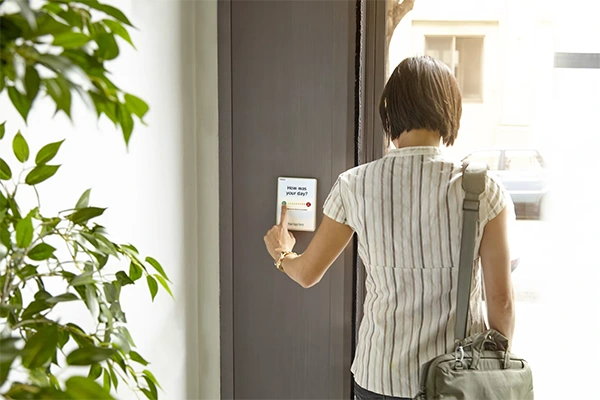
Smart home devices are known to simplify routine tasks. But what most people don’t know is the other side. The same devices can also turn frustrating when chosen the wrong way.
For instance, the same light that turns on and off automatically and lowers unnecessary movements can turn horrible when it requires a device with an internet connection to operate the same way. The same way a Cloud Browser for free tags can act in two different ways.
The difference simply comes down to how well it is chosen and the way it fits in your space.
Keep reading to explore whether smart home devices are useful upgrades or just an extra hassle.
Start with the Annoyance, Not the Gadget
The most powerful case for a smart device begins with something clear. A dark entrance makes carrying shopping uncomfortable. An inaccessible switch creates hardship for a household member. A heating schedule no longer corresponds working hours. Starting with the challenge gives the purchase a practical meaning and makes the result easier to estimate.
Buying first and creating a use afterwards switches that logic. Colourful lighting may be enjoyable, but pleasure and necessity are separate grounds to spend money. Neither needs an detailed justification. Trouble starts when an delightful feature is expected to deliver noteworthy savings or remove chores without much visual proof.
Upgrades with a Clear Everyday Purpose
- Motion-controlled lighting: Useful where contacting a switch is messy, particularly with full hands.
- Scheduled controls: Suitable for standardized routines that otherwise require repeated manual shifts.
- Accessible interfaces: Helpful when standardized buttons or switches present a practical limitation.
- Remote status checks: Valuable when checking a specified device addresses a prevalent concern.
Even a sensible element needs the right setting. A motion sensor put poorly can trigger at inconvenient points. An automated schedule can become annoying during holidays or changing transitions. Setup requires as much attention as the feature list, because daily comfort comes from matching the appliance to the household.
Convenience Should Survive Ordinary Disruption
A connected home still needs to function during ordinary interruptions. Internet outages, an unavailable phone, or a forgotten login should not make basic routines unnecessarily difficult. Different products handle these situations differently, so offline behaviour and physical controls deserve a place in the buying decision.
Consider a visitor trying to turn on a kitchen light. A familiar switch requires little explanation. A phone-based routine may require instructions, permission, or access to someone else’s account. Household technology works better when everyday functions remain understandable to guests, children, and less technically confident residents.
Compatibility adds another layer. Two products described as smart may not offer the same controls through the same system. Packaging language can leave important questions unanswered. Checking the exact functions available in the intended setup is more useful than assuming a shared label guarantees a seamless experience.
Count the Work as Well as the Price
The purchase price is only part of the commitment. Installation, optional subscriptions, replacement batteries, and time spent adjusting settings can affect overall value. A modestly priced device becomes less attractive when maintaining the feature takes more effort than completing the original task.
There is also the question of attention. Notifications can be useful when something genuinely needs action, but repeated low-value alerts become another household distraction. A good setup allows unnecessary messages to be reduced and makes essential information easy to distinguish from routine activity.
Questions Worth Asking Before Checkout
- Can the main function operate without a phone?
- What remains available if the internet connection drops?
- Does the desired feature require an ongoing subscription?
- Can every household member use the basic controls?
- What support and update information does the manufacturer provide?
Privacy belongs in the same practical assessment. A device should request access appropriate to its function, with understandable settings for stored information. Checking those details before installation is easier than untangling several connected accounts later.
A useful smart home does not need to look futuristic. One well-chosen improvement may contribute more than a room full of connected accessories. The clearest measure is ordinary life after the novelty fades: fewer interruptions, less repeated effort, and controls that still make sense on a busy morning.
Frequently Asked Questions
Are smart home devices worth buying?
Do smart devices work without the internet?
It depends on the device. Many devices with basic functions work without the internet, while advanced ones require internet.
What needs to be evaluated before buying a device?
Read reviews, check offline features, additional costs, maintenance, security aspects, and ease of use.
Related Posts
Using HeyGen AI for Sales and Customer Onboarding
It’s best to use HeyGen AI to create videos for you that answer a particular question or pain point. You…

Search Console Forgets Everything After 16 Months: How to Back Up Your SEO Data
After completing the period of 16 months, all the data and access are deleted from Google Search Console’s database. After…

Why Digital Transformation Projects Stall: A Resourcing Playbook for Project Managers
Digital transformation projects are on the rise at this time. From government-backed initiatives to enterprise cloud adoption and AI integration.…
How Email Hosting Providers Store and Protect Business Data
Where does your business email go when you click the send button? The impression is that the email just goes…

Best CI/CD Platforms for Coding Agents and AI-Native Development
CI/CD has changed its job because coding agents now write a growing share of the changes that reach a repository.…

Mavlers Agency on Why Global Agencies Are Turning to Offshore SEO Teams
An offshore SEO team in India is becoming more and more an option for great profit for global agencies; it’s…
How to Change Signature in Outlook: A Complete Guide
How do you change signature in Outlook? It sounds simple until you realize that the steps vary across Windows, Mac,…

Best 7 AI Development Companies for Data AI Solutions for Your Project: Guide for…
Buying model work before the data work is the most expensive order to do it in. The pilot shows well,…

Top Software Development Companies Backed by GoodFirms Reviews
In September 2026, GoodFirms listed 853 software development companies in California. The group had a median hourly rate of $37,…