
No, most of the modern available data recovery tools are paid. Some are free but without limited recovery.
What Are the Benefits of Data Recovery Software?
 Upasna Deewan
Updated on: Jan 22, 2026
Losing data has become a common incident these days. Working all day on devices increases the chances of losing data. Sometimes by mistake, through cyberattacks and often times hardware fails.
The good news – using data recovery softwares you can easily retrieve your lost files. Not just recovering files, it also helps to minimize costly downtime, ensure your business operations run smoothly and deliver you the cost effective ways to restore information without replying inexpensive services.
Ready to recover your files? Keep reading this post that shares the common benefits of using data recovery software with modern recovery methods – quicker and safer.
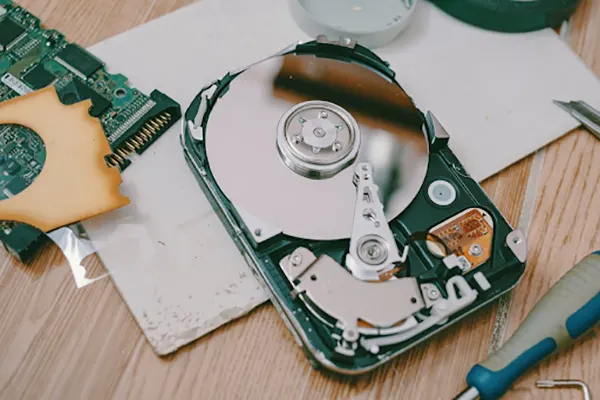
Minimizing Downtime and Business Disruption
Data disappears and everything stops. Your team can’t open the files they need. Customers don’t get responses. Money stops flowing while everyone panics.
Recovery software fixes this fast. Manual repair takes forever. These automated tools scan your drives and repair files in hours. Some work while your systems stay up. You keep working through the whole process.
Getting Back to Work Faster
Modern software backs up your data all day long. Someone deletes a folder at 2 PM. You restore it from the 1:55 PM backup. That’s only five minutes of lost work. Compare that to losing an entire day.
Remote teams love this setup. Workers fix their own problems without calling IT. No ticket. No waiting. This takes pressure off your tech staff. People resolve minor problems on their own and carry on.
Protecting What Matters Most
Your data keeps your business alive. Customer lists. Financial records. Trade secrets. Databases that run everything. Lose any of this and problems spread everywhere.
Think of recovery software as insurance for your files. It saves multiple versions of everything. Current version gets corrupted. You grab an older copy. Malware locks your files. You restore clean versions. A bug messes up your database. You roll back to yesterday.
Different Industries Face Different Risks
Banks can’t lose transaction records. Not even for one day. Regulators will notice. Clients will panic. Hospitals need patient files for safe treatment. HIPAA doesn’t give you a pass because your hard drive crashed. Factories need design specs and supply data. Production lines don’t run without them.
Bad employees cause problems too. Someone tries to delete company files on their way out. Recovery tools bring everything back. Accidents happen just as often. People overwrite important documents by mistake. Those old versions sit safely in your backup archives.
The Human Factor in Data Protection
Software can’t do everything alone. You need to set it up right. Someone has to watch it. Someone needs a plan. That’s where real expertise comes in.
Setting up recovery systems gets tricky. How often do you back up files? How long do you keep them? Where do you store everything? IT pros look at what your business needs. They build plans that work within your budget.
Finding talented people gets harder every year. Everyone wants IT specialists who understand data management. Recruitment networks like expert360 connect companies with professionals who get it. These analysts know both of the sides – tech and the business one.
Training Your Team Properly
Specialists teach your employees how to handle data correctly. They write guides that actually make sense. Real disasters require quick planning and decisions. Someone who knows the right moves makes all the difference. Small problems stay small. Big problems get solved before they destroy everything.
Cost Savings Over Traditional Recovery Methods
Manual recovery services cost a fortune. Your hard drive dies. You ship it to a lab. They charge thousands per device. You wait weeks while technicians work through their clutter. Multiple systems are down. Multiple bills are adding up.
Software-based recovery changes this completely. One license covers all your devices. Recover files as many times as you need. The Federal Trade Commission says small businesses spend around $200,000 recovering from data breaches. Good conservation tools reduce that number.
The Real Cost Shows Up Later
Lost productivity hits harder than anything else. The National Institute of Standards and Technology found something scary. Six out of ten small companies close within six months of major data loss. Recovery software stops this from taking place. Your systems come back up before customers even notice.
Monthly subscriptions keep costs transparent. You pay $50 to $500 per month. Storage size and features change the price. Emergency recovery services drain your savings account. The difference shows up fast during a disaster.
Testing your recovery setup catches problems early. Run fake disaster scenarios. Make sure your backups actually work. Finding issues during practice costs you nothing. Finding them during a real emergency costs you everything.

Compliance and Legal Protection Benefits
Rules about data protection keep getting stricter. Healthcare has HIPAA. Finance has SOX. Even small stores follow PCI DSS for credit cards.
Recovery software helps you follow these rules. It keeps records of every backup. Auditors check when backups happened. They verify what got saved. This proves you did your job right when regulators come asking.
Protecting Your Reputation and Legal Standing
Lawsuits need evidence. Contracts. Emails. Documents. Your backups keep everything readable. Courts expect businesses to save important records. Recovery systems make sure technical problems don’t lose critical files.
Privacy laws like GDPR say you must delete customer data when asked. But you still need some records for genuine business reasons. Recovery software lets you delete specific items while keeping others. You balance privacy rights with operational needs.
Your reputation depends on good data security. Customers trust companies that protect their information. Strong recovery systems show you take this seriously. Your opponents who skip this step. They look careless by comparison.
Conclusion
Losing data is a normal incident – what matters is how you recover your data and using which tools. By using the right tool, you can ensure that your business operations keep running smoothly without lasting downtime. Along with this, the regulations and the policies should be read earlier, so that you do not need to pay an extra amount after using.
Choosing the right data recovery software not just ensures that you get your lost data back – but also makes sure that your operations do not struggle meanwhile.
Frequently Asked Questions
Are all the data recovery tools free to use?
Why choose paid services when we have the availability of free tools?
As paid tools, not just ensure that your each and every file is recovered, but also ensure that your data is safe and reaches you abc in the minimal time possible.
Is it possible for data recovery tools that they fix ransomware encrypted files?
Yes, many of the advanced tools have this feature like Acronis – restore files from secure backups and snapshots.
Related Posts

Google Dorking Explained: Meaning, Uses, Examples, and Security Risks
Most people think hackers need advanced tools to find security gaps. Sorry to break the news, but sometimes, Google is…

Present Like a Pro: Essential Tech Tips for Business Meetings
If you are a part of any business, you might have attended meetings. And in case you were connected to…
10 Best SSD Data Recovery Software to Recover Deleted and Lost Files
SSD data recovery software can retrieve data that has been deleted, damaged, or otherwise rendered inaccessible from the SSD hard…

Compelling Reasons to Outsource Your Business Operations
How can I improve the performance and grow my business? My team is already occupied with several projects, how do…

How to Unlock an Android Phone When You Forgot the Password (Without Guesswork)
It feels very frustrating to lose all your digital data due to just one panic mistake of selecting a password…

Regulatory Frameworks For Setting Up Special Purpose Vehicle Units
Special Purpose Vehicles (SPVs) are a type of legally structured company. They are created by parent companies, usually with temporary…
How to Clear Cookies on iPhone: Quick Steps for Safari and Chrome
Web cache and cookies make browsing faster by saving logins, settings, and site data. But over time, they can slow…

Choosing the Right Software for Your Business: What to Consider
Finding the best tools for your company feels like a big job. You need systems that actually help your team…

Exploring the Power of Modern Messaging Apps: Telegram and WhatsApp
In the digital age, instant messaging apps have become an essential part of our daily communication. Whether for personal use,…