
3 Critical Pillars of Cyber-Resilience 3 Critical Pillars of Cyber-Resilience. Encryption, collaboration, and AI can help organizations build up essential protection against ransomware.
Data Security Considerations for Small Business Software
 Kartik Wadhwa
Updated on: Jan 28, 2026
When you run a small business, data security may seem like a problem for large corporations with IT departments. Your primary focus is on serving clients, managing projects, and keeping the lights on.
However, the uncomfortable truth is that small businesses are not immune to cyber attacks. In fact, they are frequently targeted because they are perceived as simpler, less fortified entries.
The software you use to run your business is a digital vault that houses your company’s lifeblood: financial records, client information, proprietary data, and your reputation.
Let’s gain more clarity about this!
Key takeaways
- Understanding data security considerations
- Exploring what to look for in a security provider
- Uncovering some forgotten essentials
- Decoding the importance of a human firewall and making smart choices

Understanding Your Risk
Before we dive into checklists, let’s ground this in reality. A data breach for a small business isn’t just a headline; it’s a potentially crippling event. We’re talking about:
- Financial Loss: Direct theft, fraud, ransom demands, and crippling recovery costs.
- Reputational Damage: Clients trust you with their information. A breach shatters that trust, often irreparably.
- Legal Liability: With regulations like GDPR and various state laws, you could face significant fines for failing to protect data.
- Operational Halt: A severe attack can lock you out of your own systems, bringing work to a standstill.
Interesting Facts
Data security for small business software is a critical, high-stakes area, with 43% of all cyberattacks targeting small businesses
What to Look For in a Secure Provider
Not all software is created equal, especially when it comes to security. You are essentially outsourcing the protection of your data to these vendors, so you need to vet them. A reputable provider will be transparent about its practices. Look for:
- Encryption (At-Rest and In-Transit): Your data should be scrambled both when it is stored on their servers (at-rest) and while it is being transferred between your browser and their servers. Look for “TLS” or “SSL” for transit and references to strong encryption standards like AES-256 for data at rest.
- Regular Security Audits and Compliance: Do they undergo independent, third-party security audits? Certifications like SOC 2 are a strong indicator that a company takes security seriously enough to have it rigorously examined.
- Clear Data Policies: Who owns the data you put in (you do)? What is their backup and disaster recovery process? How would they handle a government request for your data? This should be clearly outlined in their Terms of Service and Privacy Policy.
When evaluating, don’t just look for features, look for peace of mind. For instance, if you’re searching for a streamlined invoicing and payments solution, you’d want a provider that bakes security into its core design.
You might find yourself wanting to click here to see a platform like Hiveage, designed from the ground up to help the busy freelancer, small business owner, or agency automate their workflow for faster payments and better cash flow.
There is the right set of tools clearly laid out to make it easy to bill clients and keep track of your current and future revenue. Crucially, a platform like this would emphasize secure, encrypted payment processing as a default, not an afterthought.
User Habits and Access Control
The most secure software in the world can be compromised by a single weak password. Your team’s habits are a critical layer of defense.
- Embrace Strong, Unique Passwords and a Password Manager: Mandate the use of a password manager. Reusing passwords is a top cause of breaches. Let the manager create and store complex passwords for every service.
- Implement Two-Factor Authentication (2FA): If your software provides 2FA (which it should), enable it. This adds a second step to the login process, preventing attackers from accessing your account even if they know your password.
- Practice the Principle of Least Privilege: Give employees access only to the data and functions they absolutely need to do their jobs. The intern doesn’t need access to the full financial ledger.
The Often-Forgotten Essentials: Backups and Updates
Security isn’t just about keeping bad guys out; it’s about ensuring you never lose your data.
- Know Your Vendor’s Backup Routine: Understand how often your software provider backs up data and how quickly they can restore it. But don’t stop there.
- Maintain Your Own Independent Backups: Where possible, regularly export your critical business data and store it securely in a separate location (like an external hard drive or a different cloud service). This is your “lifeboat” if anything ever happens to your primary software account.

The Human Firewall
Technology is only half the battle. Phishing emails, scams designed to trick you into revealing passwords or downloading malware, are a leading attack vector. Make basic security awareness part of your culture.
- Have a casual, recurring chat about being skeptical of urgent emails asking for logins or payments, even if they seem to come from a client or colleague.
- Encourage a “see something, say something” approach to suspicious messages.
Making the Smart Choice
Choosing software for your small business requires a balance of functionality, cost, and ease of use. However, a thread of security must be woven into that decision. Ask questions. Please read the fine print. Prioritize providers who are open and honest about their security measures.
Your data is the foundation of your business’s trust and integrity. By taking these considered steps, you’re not just avoiding a nightmare scenario. You’re building a more resilient, professional, and trustworthy operation. You’re telling your clients, without having to say it, that you value their partnership and guard it diligently.
Frequently Asked Questions
What are the three 3 critical components of cyber resilience?
What are the best practices in cybersecurity?
Using strong passwords, updating your software, thinking before you click on suspicious links, and turning on multi-factor authentication are the basics of what we call “cyber hygiene” and will drastically improve your online safety.
What are the 5 C’s of cybersecurity?
This discussion dives into the five C’s of cybersecurity: Change, Compliance, Cost, Continuity, and Coverage. In the realm of business, change is the only constant.
Related Posts
8 Best AI Presentation Makers for Business-Ready Slides
Making a presentation doesn’t just mean designing slides. It’s about defining a clear structure, using defined logic, useful visuals, and…
Queue Management Software Troubleshooting Guide: 8 Common Faults and Fixes
The long wait times and ineffective management of customer queues can have a significant impact on customer satisfaction and business…
How to Use Similarweb Website Traffic Data for Competitor Research
Competitor research without traffic data is guesswork. You can guess who your rivals are, guess how big they are, guess…
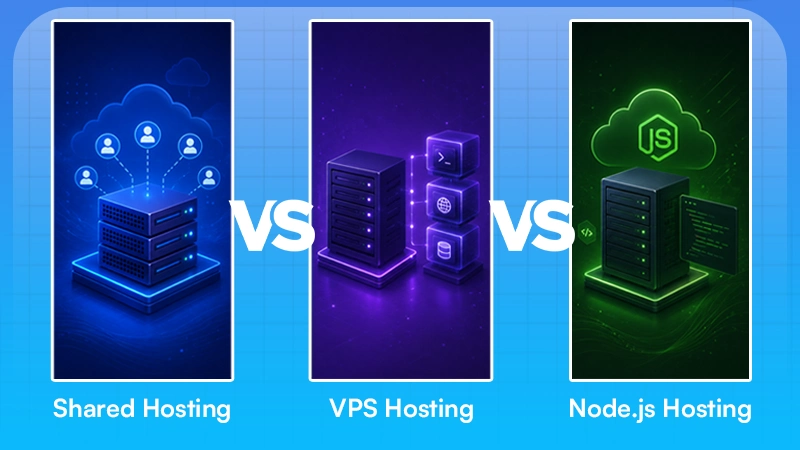
Choosing the Right Hosting Model for Scalable Digital Platforms
The performance of digital business is directly related to website speed, uptime, and scalability. Slow page performance has a negative…
How Data-Driven Performance Tools Are Transforming Employee Recognition in Tech Companies
“People work for money but go the extra mile for recognition, praise, and rewards.” — Dale Carnegie (Writer & Teacher)…
Why Businesses Struggle to Collect Reliable Data from the Web
Almost every company that depends on data runs into the same problem: although they can find the data they need,…
Why Financial Data Recovery Matters for Businesses
Financial data supports every part of a business, directly affecting cash flow, payroll, tax reports, audits, customer billing, and daily…
CMMC Compliance Is Coming for Manufacturers. Here Is What You Need to Do
“Cybersecurity is much more than a matter of IT.” — Stephane Nappo (Cybersecurity Professional) For manufacturers working within the defense…
How Data-Based Tools Influence Learning Performance
Learning has transformed in the modern age with the integration of new technologies to help students and professionals prosper in…