
For active projects, a Solid-State Drive offers significantly faster read and write speeds, resulting in smoother timeline scrubbing, quicker software load times, and faster rendering. Many creators use an SSD as their working drive for current projects and a larger, more affordable HDD for long-term archiving.
Is Your Hard Drive Sabotaging Your YouTube Career?
 Reviewed By Brijesh Kumar Singh
  Mahima Dave
Updated on: Apr 14, 2026
As a content creator, you spend hours on scripts, shooting or even editing your video. Being vigilant and careful of the thumbnails to use, choosing the right titles, and retaining the audience.
But what if, despite all the efforts, your videos, files, and raw clips go into vain?
Sounds devastating, right? Hard drives are the passive players of the management game. When they work well, you hardly notice them, but even a minor fault in them can put your entire hard work at stake.
This makes detecting the signs of a failing hard drive important to detect before it fails.
So, if you plan on keeping your content safe and secure, read this article to explore how you can protect your drive from being sabotaged.
Key Takeaways
- Understanding the importance of storage health in building a strong foundation for the channel.
- Detecting the warning signs that your drive conveys before it goes down completely.
- Keeping an entire data analysis plan ready in case of emergencies, with backup for everything, navigating the recovery process and more!
- Building habits that prevent future losses, such as scheduling regular checks and building the right backup plans, etc.
Why Storage Health Is Your Channel’s Foundation
Storage health is the silent enabler behind everything you create.
Whether it is a 4K or 8K video file or a multi-track audio session, every sprawling project timeline layered with effects and color grades depends on one thing: a drive that can read and write that data reliably, at speed, every single time you sit down to work.
When the foundation stands strong you don’t notice it but when it sheds down everything eventually fall apart.
A struggling hard drive doesn’t just put your data at risk; it actively slows your output in ways that snowball over time.
Choppy playback in your editing software, render times that drag on for hours longer than expected, and inexplicable freezes mid-session are all early symptoms of a drive that can’t keep pace with modern video production.
It’s like trying to run a marathon in worn-out shoes. You might finish, but the process will wear you down and hold you back from your true potential.
In such cases, what matters is recognizing these patterns early which gives you the best possible chance of acting before the damage becomes permanent.
Warning Signs Your Hard Drive Is Crying for Help
Fortunately, most hard drives signal trouble well in advance of a catastrophic failure, and learning to read those signals can be the difference between a minor inconvenience and an irreversible data disaster.
Start with Keeping an eye out for any of the following:
- strange clicking, grinding, or scraping sounds (often called the “click of death”)
- frequent computer freezes during file-heavy operations like exporting a finished video
- and corrupted or suddenly inaccessible files that were working perfectly the day before.
- Also watch for dramatically slower boot times or load speeds with no obvious explanation, and files or folders that seem to vanish without a trace.
None of these symptoms should be dismissed, but knowing them is half the battle.
Catching a struggling drive early means your content keeps moving, your schedule stays intact, and your channel steadily builds the YouTube watch hours that matter for monetization.
The creators who stay consistent are rarely lucky; they’re just better prepared.
From Crisis to Control Your Data Emergency Plan
So you’ve spotted one of these warning signs. The first rule is: don’t panic.
The second, more important rule is to stop using the drive immediately.
Continuing to run a failing drive can deepen the damage and make recovery significantly harder, sometimes completely impossible.
Back Up Everything You Can Reach
Your immediate priority is backing up any accessible data to a separate, healthy drive or cloud service.
By maintaining a consistent upload schedule matters enormously for channel health, and losing weeks of content to a single drive failure can derail the audience consistency you’ve worked hard to build.
If you can’t access your files at all, professional data recovery tools and services are capable of retrieving content from drives
Navigating the Recovery Process
The recovery process doesn’t have to be overwhelming.
Start by identifying your most critical files, secure what you can still access, and then assess whether you need professional assistance for the rest.
This is how you clear your initial stage.
A solid, layered backup strategy is the most reliable insurance policy you can have for your creative library.
The investment in time and proper setup is a fraction of what it would cost to recreate lost footage from scratch, and it means the next time you sit down to work, your focus stays on the content rather than looking for recovery.
Building Habits That Prevent the Next Loss
Beyond the immediate scramble to save your data, a drive failure is also a turning point for building better habits going forward.
Many creators treat data protection as an afterthought, setting up a backup system only after they’ve already experienced a loss.
But choosing it right at the beginning can save you a lot of time and content.
Scheduling regular health checks for your drives, using monitoring tools to track performance metrics, and rotating your backup drives periodically are all steps that take minutes to set up but can help prevent catastrophic setbacks.
That habit starts today, not after the first loss.
The Bottom Line
Protecting your hard drive from crashing should be your initial step and not an afterthought, especially when your entire content, files and videos rely on the efficient functioning.
Therefore, for a productive hard drive, ensuring an emergency plan and not ignoring the warning signs is essential.
Frequently Asked Questions
Are SSDs Better Than HDDs for Video Editing?
How Often Should Content Creators Replace Hard Drives?
A general guideline is to consider replacing a primary HDD every three to five years, even without visible signs of failure. For SSDs, lifespan is measured in terabytes written, a threshold most creators won’t reach for years, though consistent health monitoring remains essential.
Can I Try to Recover Lost Files Myself?
Cloud storage is a strong component of any backup plan, particularly as off-site protection against physical disasters. Because uploading and downloading large video files can be slow, most professionals pair cloud backup with a fast local copy for day-to-day recovery needs.
Related Posts
8 Best AI Presentation Makers for Business-Ready Slides
Making a presentation doesn’t just mean designing slides. It’s about defining a clear structure, using defined logic, useful visuals, and…

Queue Management Software Troubleshooting Guide: 8 Common Faults and Fixes
The long wait times and ineffective management of customer queues can have a significant impact on customer satisfaction and business…
How to Use Similarweb Website Traffic Data for Competitor Research
Competitor research without traffic data is guesswork. You can guess who your rivals are, guess how big they are, guess…
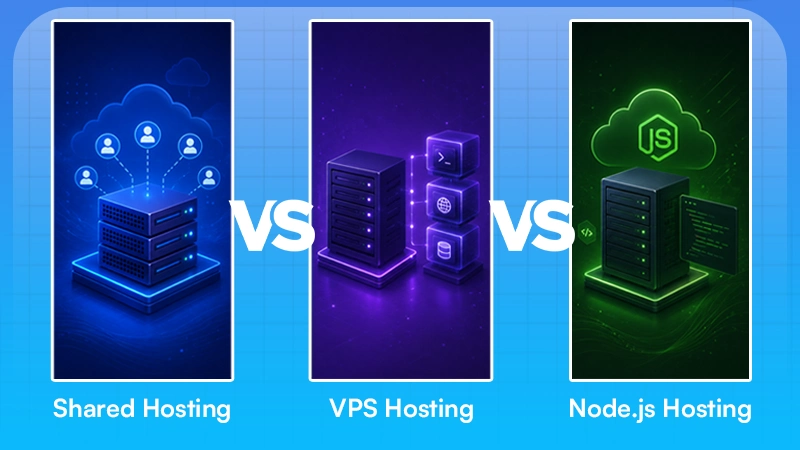
Choosing the Right Hosting Model for Scalable Digital Platforms
The performance of digital business is directly related to website speed, uptime, and scalability. Slow page performance has a negative…
How Data-Driven Performance Tools Are Transforming Employee Recognition in Tech Companies
“People work for money but go the extra mile for recognition, praise, and rewards.” — Dale Carnegie (Writer & Teacher)…

Why Businesses Struggle to Collect Reliable Data from the Web
Almost every company that depends on data runs into the same problem: although they can find the data they need,…
Why Financial Data Recovery Matters for Businesses
Financial data supports every part of a business, directly affecting cash flow, payroll, tax reports, audits, customer billing, and daily…
CMMC Compliance Is Coming for Manufacturers. Here Is What You Need to Do
“Cybersecurity is much more than a matter of IT.” — Stephane Nappo (Cybersecurity Professional) For manufacturers working within the defense…

How Data-Based Tools Influence Learning Performance
Learning has transformed in the modern age with the integration of new technologies to help students and professionals prosper in…