
88% of online users won’t return to a site after a bad experience.
Why App Design Is Critical for User Retention and Engagement
 Upasna Deewan
Updated on: Jan 14, 2026
The largest obstacle nowadays is not launching an app. However, retaining users’ interest after the download is. Many apps struggle because users lose interest quickly, not because their ideas are bad.
Well, there is more to the app’s design than just aesthetics. It has a direct impact on how users perceive an app, how simple it is to use, and whether they are inspired to come back.
Apps feel natural and rewarding when design choices match user behavior. Even powerful features may be unused if they don’t. By the way, knowing why design is so important helps explain what makes apps that stick with users different from those that lose them. So let’s read the article to know everything about the user engagement metrics.
Let’s begin!
Key Takeaways
- Understanding everything about the first impressions
- Looking at the usability that drives engagement over time
- Uncovering the consistency and adaptability
- Exploring the core importance of emotional design
1. First Impressions Decide Whether Users Stay or Leave
Upon opening an app, the majority of users quickly form an opinion about it. Users frequently leave an interface before performing additional exploration if it appears cluttered, unclear, or visually overwhelming. The first layer of communication between an application and its user is its design, which conveys the functions and recommended usage of the app.
Key elements that influence first impressions include:
- Visual clarity and layout structure.
- Ease of navigation from the start.
- Logical placement of primary actions.
- Consistency in colors, typography, and spacing.
When design feels intentional and easy to understand, users are more likely to continue interacting. Poor design, on the other hand, creates friction before value is ever experienced. Retention begins not with features, but with how clearly those features are presented.
Interesting Facts
Retention rates drop significantly over time, from around 25% on Day 1 to under 10% by Day 30 globally.
2. Usability Drives Engagement Over Time
While first impressions get users through the door, usability determines whether they stay. Engagement grows when users can complete tasks without effort or confusion. Design choices that reduce cognitive load—such as clear icons, predictable navigation, and simple workflows—make interactions feel smooth rather than frustrating.
Apps that put usability first frequently concentrate on:
- minimizing pointless steps.
- Using familiar interaction patterns.
- giving precise feedback following an action.
- Providing clear feedback after actions.
- designing not for assumptions but for actual user behavior.
Hence, this is where thoughtful app design by experts becomes essential as a functional framework that supports real user behavior. For example, teams like DreamWalk approach design by aligning interface decisions with how users actually interact with apps in everyday situations. By prioritizing usability early in the design process, they help ensure that functionality does not become hidden behind complexity.
In other words, engagement naturally increases when users can understand the app without instructions and complete actions with ease. Trust, one of the most powerful motivators for user retention, is gradually increased by this ease of use.
3. Emotional Design Influences Long-Term Retention
Beyond functionality, design also shapes how an app feels. Emotional responses—such as satisfaction, confidence, or even delight—play a major role in whether users return. Subtle design elements like micro-interactions, animations, visual feedback help, and even instructional video examples by Zelios create a sense of responsiveness and polish.
The following are ways that emotional design aids in retention:
- Making interactions feel rewarding.
- Reducing frustration during errors or delays.
- reinforcing a feeling of accomplishment or advancement.
- Reinforcing a sense of progress or achievement.
- establishing a distinctive brand experience.
Users are more inclined to incorporate an app into their daily routine when they find it enjoyable to use. Even small moments—like a smooth transition or a reassuring confirmation—can positively influence how users perceive the app as a whole.
4. Consistency and Adaptability Keep Users Engaged
Retention is not static. As users spend more time in an app, their expectations evolve. Design must remain consistent enough to feel familiar, while also adapting to new features, updates, or user needs. Inconsistent design patterns confuse users and break trust, especially when updates disrupt established habits.
Effective long-term design considers:
- Consistent navigation and visual language.
- Scalable layouts that accommodate growth.
- Design systems that support future updates.
- Adaptability to different screen sizes and devices.
Apps that adapt without sacrificing usability are more likely to keep users. An app’s ability to expand without becoming disjointed or challenging to use is frequently determined by early design choices, such as layout logic and interaction patterns.
To Sum It All Up!
User retention and engagement depend on more than features or performance. They are dependent on how users interact with the application from the outset. Design affects usability, emotion, clarity, and trust—all of which have a direct impact on whether users stick around or leave.
By prioritizing thoughtful design decisions early and revisiting them as the app evolves, businesses can create experiences that feel intuitive, enjoyable, and worth coming back to. All in all, in a crowded app landscape, strong design is not optional—it is foundational.
Frequently Asked Questions
How many users return to a site with bad UX?
What are the statistics of UX?
85% user satisfaction and 70% retention average.
What are the 7 golden rules of UI design?
It includes concepts like simplicity, consistency, user flow, visual hierarchy, feedback, accessibility, and iteration.
Related Posts
Google Dorking Explained: Meaning, Uses, Examples, and Security Risks
Most people think hackers need advanced tools to find security gaps. Sorry to break the news, but sometimes, Google is…

Present Like a Pro: Essential Tech Tips for Business Meetings
If you are a part of any business, you might have attended meetings. And in case you were connected to…

10 Best SSD Data Recovery Software to Recover Deleted and Lost Files
SSD data recovery software can retrieve data that has been deleted, damaged, or otherwise rendered inaccessible from the SSD hard…

Compelling Reasons to Outsource Your Business Operations
How can I improve the performance and grow my business? My team is already occupied with several projects, how do…
How to Unlock an Android Phone When You Forgot the Password (Without Guesswork)
It feels very frustrating to lose all your digital data due to just one panic mistake of selecting a password…

Regulatory Frameworks For Setting Up Special Purpose Vehicle Units
Special Purpose Vehicles (SPVs) are a type of legally structured company. They are created by parent companies, usually with temporary…
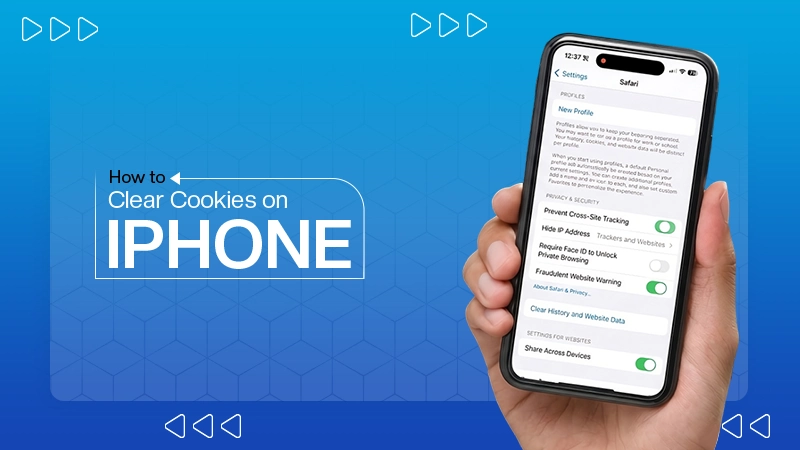
How to Clear Cookies on iPhone: Quick Steps for Safari and Chrome
Web cache and cookies make browsing faster by saving logins, settings, and site data. But over time, they can slow…

Choosing the Right Software for Your Business: What to Consider
Finding the best tools for your company feels like a big job. You need systems that actually help your team…
Exploring the Power of Modern Messaging Apps: Telegram and WhatsApp
In the digital age, instant messaging apps have become an essential part of our daily communication. Whether for personal use,…