
Ans: Yes, once the definitions underneath it agree. Before that, it buys faster delivery of numbers that were never comparable.
Multi-Continent Supply Chains Run on Visibility: Why Real-Time Data Matters
 Written by Kartik Wadhwa
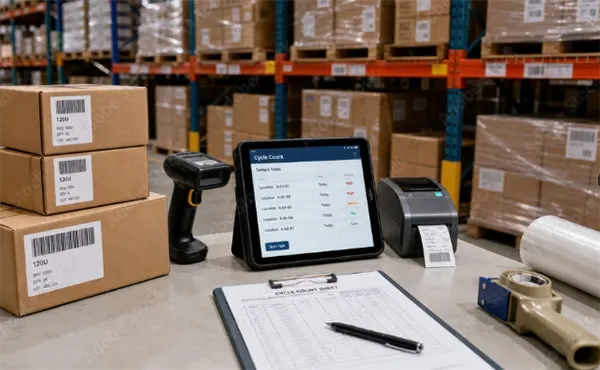
Most of the supply chains have two-thirds of their operations with installed dashboards for end-to-end visibility and clear information. But the same survey also says that half of them still cannot see the first-tier suppliers
That gap is all about the whole subject and the gap. The tool arrived, but the visibility did not.
Real-time data is necessary. It is also the easy half, and the half most programs stop at without even doing anything.
Below, where the darkness sits in a chain that crosses continents, are the three ways a shared number stops being comparable, and what the firms that handled 2021 well had built in advance.
The Dashboard Arrived, the Visibility Did Not
The two numbers are all good and don’t remain in conflict once the purchase is separated from the outcome in all, because a dashboard reports whatever it is fed, it doesn’t make the reports on its own.
Feed it tier-one delivery confirmations and it will show tier-one delivery confirmations, at speed and on one screen. A feed and a map were never the same purchase.
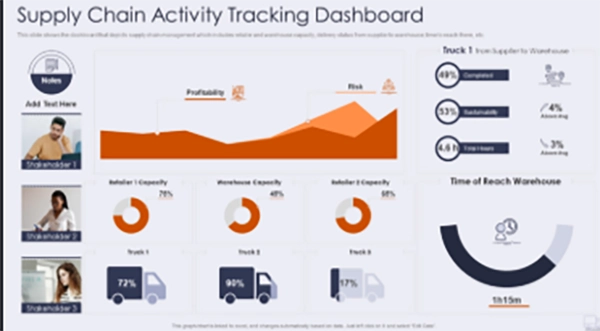
The same survey found that firms running those dashboards help companies to avoid supply chain troubles. This is a real result and worth taking seriously. It isn’t the result that it looks like. Organizations that fund a visibility program are usually the same organizations that fund the work behind it, and the dashboard is the visible part of a larger thing that you are willing to spend on.
The feed might be cheap, but the map might not be. And the map is what the second tier requires.
Why the Second Tier Is Where It Goes Dark
A company that buys a finished assembly from a supplier it has visited, audited, and paid for a decade knows a great deal about that supplier and almost nothing about the three firms standing behind it.
A filtration manufacturer sourcing wire mesh from a single mill sits one relationship away from a single point of failure it has never contracted with and cannot audit.
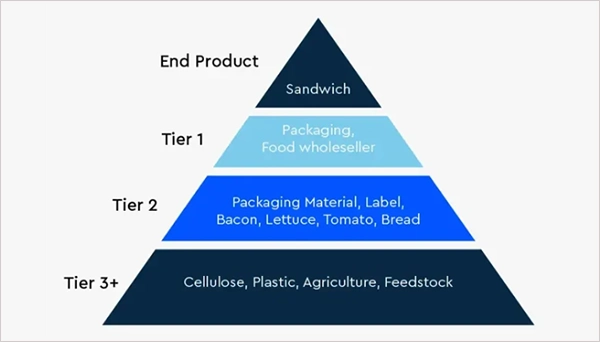
The mill is considered a tier two product, and the mill’s steel supplier is tier three. Nobody signed anything with them for their benefit, because every continent has added to the count rather than extending it. After all, each plant brings its own local tier two.
Depth is a contracting problem that arrives disguised as a reporting problem, and software bought to solve the second one leaves the first exactly where it was.
DO YOU KNOW?
The share of firms able to see three tiers from deep or further reached 17% in 2022, which was just 2% in the year 2021. This long jump from 2% to 17% tells a lot about the questions that are being answered and what got built exactly.
Three Ways the Same Number Stops Meaning the Same Thing
Part numbers travel well. Meanings do not.
A suction filter carries the same number in Wisconsin and in Melbourne, and that is where the agreement ends.
The Unit
One plant ships the part in cases of 24. The other ships cases of 12. Both report in cases, both are correct, and a planning system that adds the two together produces a number wrong by half that looks entirely plausible.
Nothing in the data looks broken. That is the problem with it.
The Timestamp
On-hand quantity is a photograph, and two plants take it at different moments. One posts at shift end and the other streams continuously, so a buyer comparing them at nine in the morning is comparing last night to right now.
The Definition
Available can mean unsold, or unsold and unallocated, or unsold and unallocated and not already promised against a forecast. Same field name, different arithmetic behind each one.
So Why Not Just Standardize It?
You might think that why don’t the companies standardize it? This has an obvious answer, and it is the one every one of these programs starts with.
Standardizing a unit of measure across a dozen plants means many of the local teams changing a field that many of the downstream reports depend on. It gets funded for two plants and then stops. The half-standardized state is worse than the actual thing, because now nobody knows which plants were done.
Making the Same Thing Twice Is Not Redundancy
Dual sourcing is the standard answer for the concentration risk that occurs, and it works, though it also quietly doubles the number of places where a definition can change without even consulting to the people.

Producing the same component in two plants on two continents looks like insurance and the saviour, and on the day a port closes. On every other day it is two sets of tooling, two inspection regimes, two calibration schedules and two slightly different ideas of what the term finished means.
Both of them are worth having totally. Only one of them gets a budget line allotted.
The firms that get this right treat the second plant as a data problem from the day it opens, rather than as a capacity problem that will produce data later. The order matters more than the budget does.
What Actually Worked
One company had already done the work.
CASE STUDY
After the 2011 earthquake, a big company like Toyota went down through multiple tiers of its suppliers and built a way to identify which firms and which parts were affected and exposed the most. Its continuity rules then required suppliers to hold two to six extra months of inventory on critical components. When semiconductors ran short in 2021, the company could quickly change the parts. Because the question of who made what had already been answered previously.

Scale isn’t the final and the factors that determines. DOMS, a hydraulic filtration maker in Genoa City, Wisconsin, to date supports their customers from 5 different continents. And the question it faces is the same one Toyota faced with several thousand suppliers in it.
What Toyota built was a way to find out which suppliers and which parts were at risk, several tiers down, and then keep that current for a decade. That’s the part nobody wants to fund.
The useful work is dull. Someone writes down which plants make which part under which definition, and keeps the list current. That list is the visibility, and the feed is only how fast it refreshes.
What to Fix First
The first thing to fix is not the software, and it costs almost nothing.
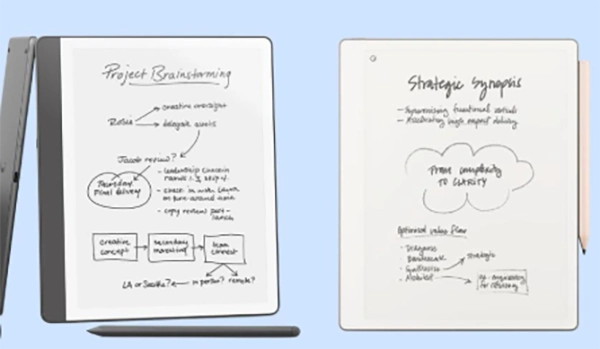
Pick one part that both of the plants make. Ask each plant what a case of it contains, when the on-hand figure was last written, and what available excludes, then keep the three answers next to each other. The answers will be different in every case. After that, every time you try to talk, this turns into the argument about which of the answers is correct and wins.
Frequently Asked Questions
Q1. Is real-time data worth the cost for a mid-sized manufacturer?
Q2. How deep into the supply chain is deep enough?
Ans: Far enough to reach the single sources. For most firms that means tier three, and the sole suppliers are rarely the ones anybody expected.
Q3. What does a visibility project usually get wrong first?
Ans: It maps systems instead of parts. Systems are easier to inventory and they tell nobody which plant can cover for which.
Q4. Can a dashboard replace a supplier map?
Ans: No. It displays one, and an empty map displays as cleanly as a complete one.
Q5. Who should own the definitions?
Ans: One named person with authority across all the plants, rather than a committee drawn from each of them. Committees ratify existing differences.
Related Posts
Using HeyGen AI for Sales and Customer Onboarding
It’s best to use HeyGen AI to create videos for you that answer a particular question or pain point. You…

Search Console Forgets Everything After 16 Months: How to Back Up Your SEO Data
After completing the period of 16 months, all the data and access are deleted from Google Search Console’s database. After…
Why Digital Transformation Projects Stall: A Resourcing Playbook for Project Managers
Digital transformation projects are on the rise at this time. From government-backed initiatives to enterprise cloud adoption and AI integration.…
How Email Hosting Providers Store and Protect Business Data
Where does your business email go when you click the send button? The impression is that the email just goes…
Best CI/CD Platforms for Coding Agents and AI-Native Development
CI/CD has changed its job because coding agents now write a growing share of the changes that reach a repository.…

Mavlers Agency on Why Global Agencies Are Turning to Offshore SEO Teams
An offshore SEO team in India is becoming more and more an option for great profit for global agencies; it’s…
How to Change Signature in Outlook: A Complete Guide
How do you change signature in Outlook? It sounds simple until you realize that the steps vary across Windows, Mac,…

Best 7 AI Development Companies for Data AI Solutions for Your Project: Guide for…
Buying model work before the data work is the most expensive order to do it in. The pilot shows well,…
Top Software Development Companies Backed by GoodFirms Reviews
In September 2026, GoodFirms listed 853 software development companies in California. The group had a median hourly rate of $37,…