
Product Title must be keyword-rich, descriptive, and follow the recommended structure to match user intent.
Optimizing Product Listings with Shopify’s SEO Best Practices
 Upasna Deewan
Updated on: Sep 26, 2025

Want to get more people to discover your Shopify products? Every store owner has visions of ranking at the top of Google for their best products. After all, higher search rankings lead to:
- More organic traffic
- Better-qualified customers
- Increased sales without paid ads
There’s a problem:
Most Shopify retailers are making simple SEO blunders that cost them thousands of potential customers every month. And the worst part? These issues are completely fixable.
The Stake: Organic search is the largest driver of website traffic, being 53% of all web traffic across industries, according to a 2024 analysis.
If your products aren’t showing up in those vital searches, you’re missing out on the majority of the available, high-converting traffic.
That’s where partnering with a leading Shopify development agency becomes important. They handle the technical side of Shopify SEO and can carry out the ways that actually move the needle.
Let’s know specifically how to optimize your Shopify product listings the right way…
What you’ll uncover:
- Why Your Product Pages Aren’t Ranking
- The SEO Elements That Actually Matter
- Product Description Optimization Methods
- Technical SEO Fixes That Drive Results
Why Your Product Pages Aren’t Ranking
The majority of Shopify store owners think SEO is only about cramming keywords into their product descriptions.
This is wrong.
Google’s algorithm looks at dozens of factors while deciding which products to show in search results. And here’s what can shock you…
Huge mistakes happen before you even write a single word.
Your page speed, site structure, and technical setup form the foundation of everything else. Without these basics working properly, all your other SEO efforts are basically wasted.
Research indicates that 43% of ecommerce traffic comes from organic search results. That shows nearly half of your potential customers are finding competitors instead of you if your SEO isn’t dialed in.
Think about it this way: if an individual searches for “waterproof hiking boots” and your boots are perfect for them, but your page doesn’t show up… They will buy from whoever does rank.
The SEO Elements That Actually Matter
Let’s reduce through the noise and focus on what really works for Shopify product listings.
Product Titles That Convert
Your product title is the most critical ranking factor. Period.
But most stores get this entirely wrong. They either stuff it with keywords or make it so basic that nobody clicks.
Here’s the secret sauce: Primary Keyword + Brand + Key Feature + Product Type
For instance: “Waterproof Hiking Boots – TrekPro Men’s All-Terrain Boots”
This hits the main keyword, involves the brand, mentions a key benefit, and clearly states what it is. Google loves this structure as it matches what people actually search for.
Meta Descriptions That Get Clicks
Your meta description is kind of a mini advertisement in search results. It needs to include your main keyword naturally, create urgency, mention the key benefit, and stay under 160 characters.
What’s more? Write it for humans, not robots. Google can tell the difference.
URL Structure Made Simple
Keep URLs descriptive, yet short, and focused on the main keyword. Instead of /products/the-best-waterproof-hiking-boots-for-men-2024, use /products/waterproof-hiking-boots-men.
Simple, clean, and exactly what people expect to see.
Optimizing Shopify product listings for SEO is not rocket science, but it does require a systematic approach and consistent effort. Partnering with an expert ecommerce SEO agency can help streamline this process and ensure your products rank higher in search results.
Product Description Optimization Methods
This is where most tales either win or lose the SEO game.
Here’s the truth: Google wants to show content that actually helps users make buying decisions. Your product descriptions need to do more than just list features. They have to solve problems.
The Problem-Solution Framework
Start every product description by identifying the issue your customer faces. Then show how your product solves it.
For instance: “Tired of soggy feet ruining your hiking adventures? These waterproof boots feature a breathable membrane that keeps moisture out during sweat to escape…”
This approach is functional because it immediately connects with your customer’s pain point and positions your product as the solution.
Use Long-Tail Keywords Strategically
Long-tail keywords are goldmines for ecommerce stores. They turn into better people because they show specific intent.
Rather than only targeting “hiking boots,” also optimize for “best waterproof hiking boots for winter” or “comfortable hiking boots for wide feet.”
These longer clauses have less competition and higher conversion rates. Smart store owners focus heavily on long-tail terms because they’re easier to rank for.
Features vs Benefits
Features tell, benefits sell. Additionally, Google rewards content that focuses on benefits because that’s what shoppers actually care about.
Feature: “Gore-Tex waterproof membrane” Benefit: “Stay dry and comfy even in heavy rain”
Always start with benefits, then back them up with technical features.
Technical SEO Fixes That Drive Results
The behind-the-scenes stuff matters more than most people think.
Site Speed Optimization
Page speed is a straightforward ranking factor. Slow pages don’t just hurt your SEO – they kill conversions.
Focus on compressing product images and using WebP format. Clear-off unused Shopify apps since every app adds code that slows down your site. Use Shopify’s built-in CDN or upgrade to a more robust solution.
A one-second delay in page load time can lead to low conversions by 20%. Don’t let slow pages cost you sales.
Schema Markup Implementation
Schema markup is code that supports Google understanding your products better. It can display rich snippets like ratings, prices, and availability directly in search results.
Most Shopify themes involve basic schema, but you can enhance it by adding pricing information, product ratings, and brand details. Rich snippets make your listings stand out and enhance click-through rates.
Internal Linking Strategy
Connect related products and collections through tactical internal linking. This helps Google understand your site structure and keeps customers browsing longer.
Link from product pages to related sorts, collection pages to individual products, and blog posts to relevant products. Make these links natural and useful for users.
Getting Professional Help
While you can take control of basic SEO yourself, technical optimization often requires expertise. Think about professional help for technical site audits, advanced schema implementation, and site speed optimization.
A professional can often give in weeks what might take months of trial and error on your own.
Putting It All Together
Optimizing Shopify product listings for SEO is not rocket science, but it does require a systematic approach and consistent effort.
The stores that thrive focus on creating genuinely helpful content, solving real customer problems, building technical foundations properly, and measuring and improving continuously.
Begin with the basics – descriptions, product titles, and site speed. Get those right before moving on to advanced tactics.
Keep in mind that SEO is a marathon, not a sprint. The shifts you make today might take months to show full results, but those results can last for years.
On top of that, don’t try to trick Google or take shortcuts. Focus on creating the best potential experience for your customers, and the search rankings will follow.
The opportunities in Shopify SEO are huge, and they’re only growing as more people shop online. Start executing these strategies today, and you’ll be amazed at how much more traffic and revenue your store can generate.
Frequently Asked Questions
What is the most important factor for product listing SEO?
How long should my product description be?
There is no strict length, but it should be long enough to fully address the customer’s problem and clearly explain all product benefits and features.
Does site speed really affect my product rankings?
Yes. Page speed is a direct and critical ranking factor for Google, and a slow site significantly hurts both your SEO and your conversion rate.
What is a “long-tail keyword”?
A long-tail keyword is a more specific, longer phrase.
Related Posts
Google Dorking Explained: Meaning, Uses, Examples, and Security Risks
Most people think hackers need advanced tools to find security gaps. Sorry to break the news, but sometimes, Google is…

Present Like a Pro: Essential Tech Tips for Business Meetings
If you are a part of any business, you might have attended meetings. And in case you were connected to…
10 Best SSD Data Recovery Software to Recover Deleted and Lost Files
SSD data recovery software can retrieve data that has been deleted, damaged, or otherwise rendered inaccessible from the SSD hard…

Compelling Reasons to Outsource Your Business Operations
How can I improve the performance and grow my business? My team is already occupied with several projects, how do…

How to Unlock an Android Phone When You Forgot the Password (Without Guesswork)
It feels very frustrating to lose all your digital data due to just one panic mistake of selecting a password…
Regulatory Frameworks For Setting Up Special Purpose Vehicle Units
Special Purpose Vehicles (SPVs) are a type of legally structured company. They are created by parent companies, usually with temporary…
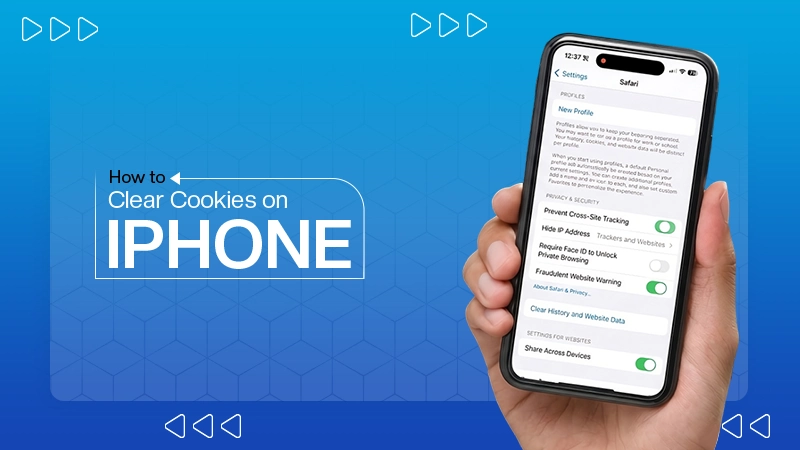
How to Clear Cookies on iPhone: Quick Steps for Safari and Chrome
Web cache and cookies make browsing faster by saving logins, settings, and site data. But over time, they can slow…

Choosing the Right Software for Your Business: What to Consider
Finding the best tools for your company feels like a big job. You need systems that actually help your team…

Exploring the Power of Modern Messaging Apps: Telegram and WhatsApp
In the digital age, instant messaging apps have become an essential part of our daily communication. Whether for personal use,…