
This is commonly known as a Defined Contribution (DC) plan.
How Retirement Recognition Data Predicts Workforce Stability
 Saipansab Nadaf
Updated on: Jan 09, 2026

KEY TAKEAWAYS
- Understand how recognition data stabilizes the workforce
- Learn how this data helps archive the legacy of the human asset
- Discover how permanent records build a legacy system
Millions of people retire each year; in America alone, 4.1 million Americans are retiring annually through 2027. But there is a major problem that retirement brings to a firm, are you aware of it? Well, that’s the stability of the workforce.
It becomes difficult for the HR professional to answer questions like, ‘Is our workforce prepared for change? How can we close any capability gaps? How can we reduce the risk of critical talent leaving the company, and how can we mitigate the risk?
This is where retirement recognition data helps predict workforce stability by identifying when experienced employees plan to leave, which gives firms time to prepare for that phase. Let’s continue with the article and understand how retirement recognition data greatly helps businesses.
Quantifying the Impact: How Recognition Data Stabilizes the Workforce
Retirement recognition data (also known as retirement eligibility or readiness data) simply refers to the information organizations collect to identify which employees are approaching or likely to be near retirement age. This data includes:
- Retirement dates or expected timeframes
- Roles and responsibilities of the retiring employees
- Skills and experience level
- Location and department they belong to
When HR tracks and analyzes this data, they can predict talent gaps, plan hiring and training in advance, and avoid sudden disruption. So in simple words, instead of getting surprised, with this data, the company can see it coming and prepare for it.
Institutional Knowledge Recovery: Archiving the Legacy of the “Human Asset”
Experienced employees have a lot of institutional knowledge, things that are not always written down, like how certain clients prefer to work, why specific processes are done in a certain way, common problems, quick solutions, etc.
Retirement recognition data tells HR who is leaving and when; this gives them time to simply capture this knowledge before it steps out the door. Companies can use this data to:
- Arrange knowledge transfer between recruiting employees and their successors
- Ask retirees to document procedures, checklists, and best practices
- Set up mentorship programs, where senior employees train juniors for a set period of time
This way, the legacy of ‘human asset’ will not be lost; it will be recorded and passed on, which will keep the workforce more confident and stable.
Analyzing the Metrics of Authentic Appreciation
Retirement is also a major moment to recognize and appreciate an employee’s years of service. At the same time, HR teams may rely on platforms like Rippling to help manage employee benefits and support workforce transitions more smoothly. (click here to know how one can make it more special). But when recognition is connected with data, this becomes more than just a farewell party. By looking at the retirement recognition data companies can:
- Track how many employees retired feeling respected and valued
- See whether teams with strong recognition cultures have better knowledge transfer and smoother transitions
- Understand patterns such as departments where employees often leave earlier than expected
Some useful metrics might include the percentage of the employees who receive formal recognition, the number of knowledge transfer sessions completed before the retirement, and the time taken to fully replace a retiring employee’s responsibilities.
These numbers tell HR where they are doing well and where they need to improve. Also, this thing encourages employees to give their best, as their time, work, and retirement are taken seriously.
Permanent Records: Building a Legacy System
Retirement recognition data should not be used once and forgotten. Instead, it should be stored and organized into a long-term system. Now this strong system legacy might include things like:
- Profiles of retired employees: their skills, roles, projects they worked on, contribution
- Documentation libraries: guides, manuals, documents related to employees retirements etc
- Recorded sessions: training videos, notes, and recorded handover meetings
There are multiple benefits of these kinds of permanent records, like the employee who is replacing the retiree or even new employees can learn faster by accessing past knowledge.
Managers can see how certain roles evolve over time, and HR can compare past and current trends to manage and plan things accordingly. Also, this thing simply turns the retirement risk into a learning opportunity for the firms.
Conclusion
Retirement recognition data is something that works in favor of both employees and the firm. It encourages employees by showing how valuable they were for the company, which helps them feel respected and valued even after leaving the team.
On the flip side, companies benefit from this data by preparing and planning in advance so that even after the employee leaves, their experience, and knowledge stay in the company. Most importantly, this data helps the firms maintain workforce stability.
Frequently Asked Questions
What type of retirement plan allows employees to contribute on their own?
What is the average age of retirement all over the world?
There is no single number for the entire world, but most countries set the limit between 60-67.
What are some major challenges firms face after the retirement of a highly experienced employee?
In situations like these, firms face challenges like loss of important knowledge, problems with operations, and challenges in planning for future leaders and keeping skilled workers.
How do firms fill the skills gap after an experienced employee’s retirement?
They do it through internal development (mentorship, training programs, etc.) and external hiring (hiring replacements, contract workers).
Related Posts

8 Best AI Presentation Makers for Business-Ready Slides
Making a presentation doesn’t just mean designing slides. It’s about defining a clear structure, using defined logic, useful visuals, and…

Queue Management Software Troubleshooting Guide: 8 Common Faults and Fixes
The long wait times and ineffective management of customer queues can have a significant impact on customer satisfaction and business…

How to Use Similarweb Website Traffic Data for Competitor Research
Competitor research without traffic data is guesswork. You can guess who your rivals are, guess how big they are, guess…
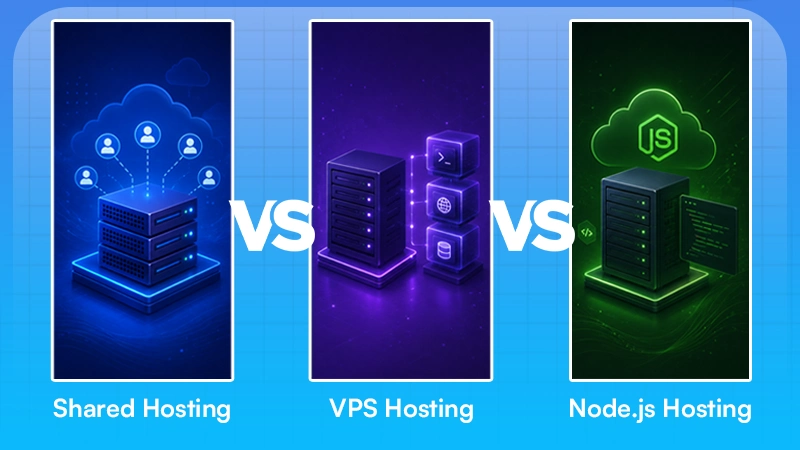
Choosing the Right Hosting Model for Scalable Digital Platforms
The performance of digital business is directly related to website speed, uptime, and scalability. Slow page performance has a negative…

How Data-Driven Performance Tools Are Transforming Employee Recognition in Tech Companies
“People work for money but go the extra mile for recognition, praise, and rewards.” — Dale Carnegie (Writer & Teacher)…

Why Businesses Struggle to Collect Reliable Data from the Web
Almost every company that depends on data runs into the same problem: although they can find the data they need,…

Why Financial Data Recovery Matters for Businesses
Financial data supports every part of a business, directly affecting cash flow, payroll, tax reports, audits, customer billing, and daily…

CMMC Compliance Is Coming for Manufacturers. Here Is What You Need to Do
“Cybersecurity is much more than a matter of IT.” — Stephane Nappo (Cybersecurity Professional) For manufacturers working within the defense…

How Data-Based Tools Influence Learning Performance
Learning has transformed in the modern age with the integration of new technologies to help students and professionals prosper in…