
Not really. While aesthetics matter, the real goal is to guide customers naturally toward products they are most likely to buy.
What Is Visual Merchandising? Using Customer Data Insights to Boost Business Growth
 Saipansab Nadaf
Updated on: Jan 16, 2026
Table of Contents
- Understanding Visual Merchandising
- Why Customer Data Matters in Visual Merchandising Strategies
- Role of Data Integration in Retail Analytics
- Tools and Technologies Supporting Data-Driven Merchandising
- Best Practices to Use Customer Data Safely and Effectively
- Future Perspective in Data-Powered Visual Merchandising
- Frequently Asked Questions
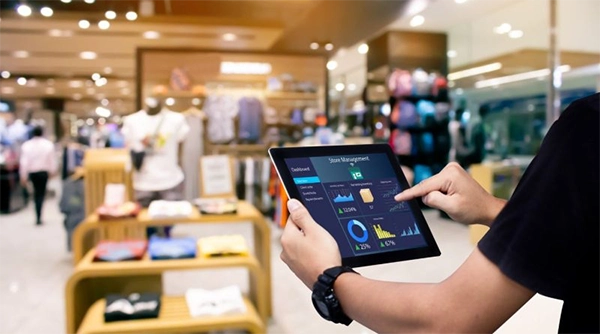
Ever felt automatically drawn to a store? The layout makes sense, products are organized in a way that is hard to ignore, and everything is placed just right. Well, this is no coincidence. This is the power of visual merchandising.
And the most powerful element for this is: customer data. Science Direct studies note that effective merchandising and store layout can significantly increase impulse purchases and basket size. That is why modern visual merchandising does not just swing on instincts but has become all about data-informed decisions that turn browsing into buying.
Key Takeaways
- Visual merchandising is not just about design but strategy.
- Customer data helps retailers understand real shopping behavior.
- Footfall and purchase patterns guide smarter product placement.
- Integrated retail data leads to better merchandising decisions.
- Responsible data use is essential for long-term customer trust.
Understanding Visual Merchandising
Visual merchandising is presenting products in retail environments in such a way that they naturally attract attention, guide customers through the store, and ultimately encourage them to make purchases. It usually includes store layout, product placement, lighting and signage, window displays, and promotional sections.
Its goal is simple: make it easy and appealing for customers to discover products. For instance, placing high-demand items near the entrance will pull customers inside, and curated displays will make them want to take a stroll and explore complementary products.
Now, for example, you go for Commercial Furniture shopping. One shop has displayed a royal blue sofa at the entrance, dazzling with pearls, giving the perfect “would look great at your home” vibes, and the other store has displayed just a basic ivory sofa at the point of focus. Expectedly, you would want to check out the luxurious sofa instead of some basic ivory one.
This is exactly how visual merchandising influences customers.
Why Customer Data Matters in Visual Merchandising Strategies
Visual merchandising once was all about intuition and guesswork. While it may work in favor for some, it wasn’t something retailers could rely on forever. So, then came customer data, which helps them understand exactly how customers behave inside a store. What attracts them the most, and what might repel them at the first step.
This allows businesses to design layouts that reflect real shopping patterns rather than assumptions.
- Behavioral Insights
Customer behavior gives a little sneak peek into what might be going on in their head when shopping. Where they paused the longest, what grabbed their attention first, and where they just skimmed through without paying much attention.
All of these might seem like small acts to some, but to retailers, this is enough information to create displays that feel intuitive to customers.
- Purchase Patterns
Purchase data helps retailers know which products are often bought together and which ones sell best in certain areas or seasons. Some smart practices are
- Placing complementary items near each other
- Highlighting seasonal bestsellers
- Creating bundle displays
This increases the likelihood of additional purchases while improving the overall shopping experience.
- Footfall Analytics
Footfall analytics tracks how many customers enter a store and what areas receive the most traffic. This helps determine high-visibility zones for promotions, underperforming areas for improvements, and optimal product placement for popular items.
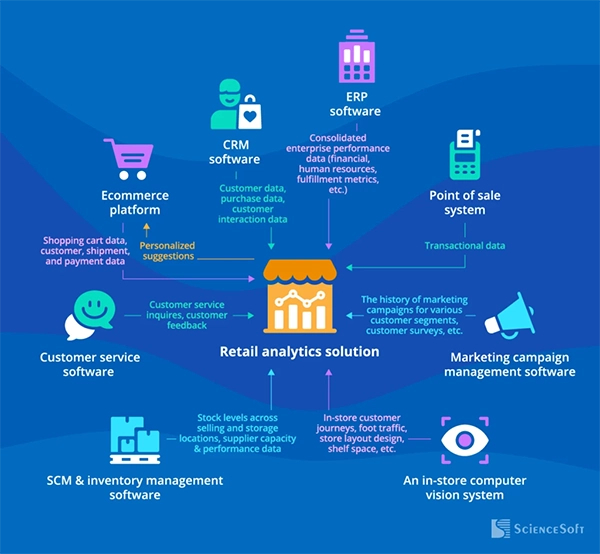
The infographic below depicts how retailers use customer data in different ways to serve their customers and improve their product offerings.
Role of Data Integration in Retail Analytics
The real value of data only emerges when it is connected across systems. That’s when it is most useful. Retail analytics collect data from different sources such as sales systems, customer interactions, and store sensors to create a complete view of shopper behavior.
H3: Centralized Customer Data for Better Decision Making
Information from multiple sources can be overwhelming, but when it is centralized, retailers can identify trends and act on them much faster. It gives them a comprehensive picture of what is working and what might need improvement.
Even store choices like installing Wooden Displays for premium product sections can be guided by data showing where customers spend the most time.
Tools and Technologies Supporting Data-Driven Merchandising
Modern retail environments rely on several technologies to support smarter merchandising environments. The common ones include
- Retail analytics platforms
- In-store sensors and footfall tracking systems
- POS data analytics tools
- Customer relationship management systems
- Heat-mapping technology
These are used to observe customer behavior patterns and continuously refine store layouts based on real evidence.
Best Practices to Use Customer Data Safely and Effectively
Handling customer data is a huge responsibility. Since retail stores deal with it on a regular basis, they must prioritize data protection.
Data Security
Retailers must ensure that the client credentials are protected against any kind of breaches or misuse. For this, they may build a secure storage system, put encryption practices in place, and follow strict access control. This will not just prevent financial losses but also safeguard brand reputation and consumer trust.
Compliance and Privacy Considerations
Brands are required to follow strict data privacy regulations and transparency guidelines. The customers should be informed why and how their data is collected, it should be used for legitimate purposes only, and privacy frameworks, such as GDPR, must be followed.
FUN FACT
Retail research shows that customers often turn right when they enter a store, which is why many retailers place featured displays or new arrivals on the right-hand side of the entrance.
Future Perspective in Data-Powered Visual Merchandising
Looking forward, we can expect visual merchandising to combine design creativity with advanced analytics. Advanced technologies such as AI-powered retail analytics, smart shelves, and predictive demand modeling will help retailers anticipate customer preferences before they even enter the store, catering to them exactly what they might be looking for.
Surely, stores will get more adaptive, adjusting displays, promotions, and product placements based on real-time insights.
In the end, it is safe to say that the most successful stores will be those that blend strong visual storytelling with intelligent data insights.
Frequently Asked Questions
Is visual merchandising only about making stores look attractive?
Can small retailers use data for merchandising too?
Absolutely. Even simpler data like sales reports and customer traffic patterns can reveal valuable insights for store layout decisions.
What’s the biggest mistake retailers make with merchandising?
Relying purely on intuition is the biggest mistake retailers make with merchandising, as without data, it is easy to overlook how customers actually move through a store.
Do store displays really influence buying decisions?
Yes. Many purchase decisions are made inside the store, which means displays and product placement can significantly impact sales.
Related Posts
8 Best AI Presentation Makers for Business-Ready Slides
Making a presentation doesn’t just mean designing slides. It’s about defining a clear structure, using defined logic, useful visuals, and…
Queue Management Software Troubleshooting Guide: 8 Common Faults and Fixes
The long wait times and ineffective management of customer queues can have a significant impact on customer satisfaction and business…
How to Use Similarweb Website Traffic Data for Competitor Research
Competitor research without traffic data is guesswork. You can guess who your rivals are, guess how big they are, guess…

Choosing the Right Hosting Model for Scalable Digital Platforms
The performance of digital business is directly related to website speed, uptime, and scalability. Slow page performance has a negative…

How Data-Driven Performance Tools Are Transforming Employee Recognition in Tech Companies
“People work for money but go the extra mile for recognition, praise, and rewards.” — Dale Carnegie (Writer & Teacher)…

Why Businesses Struggle to Collect Reliable Data from the Web
Almost every company that depends on data runs into the same problem: although they can find the data they need,…
Why Financial Data Recovery Matters for Businesses
Financial data supports every part of a business, directly affecting cash flow, payroll, tax reports, audits, customer billing, and daily…
CMMC Compliance Is Coming for Manufacturers. Here Is What You Need to Do
“Cybersecurity is much more than a matter of IT.” — Stephane Nappo (Cybersecurity Professional) For manufacturers working within the defense…

How Data-Based Tools Influence Learning Performance
Learning has transformed in the modern age with the integration of new technologies to help students and professionals prosper in…