
Technological utilities now provide immense security in cybersecurity as they are empowered by innovations like Artificial Intelligence and Machine Learning for threat detection, to zero-trust architectures and behavioral biometrics for access control.
How to Use Proxies Safely with Sensitive Data?
 Mahima Dave
Updated on: Nov 17, 2025
From internal financials and health records to payment tokens and customer identifiers, sensitive data is ingrained in day-to-day operations.
According to IBM’s Cost of a Data Breach Report 2025, the global average cost of a breach was 4.44 million USD, and the U.S. average was 10.22 million USD.
In actuality, two practices—preventing data leaks and managing access rights—are what provide safety and sustainable assurance of the crucial assets of the organizations.
This article outlines the ways in which proxies can be used to safeguard sensitive data in real-world workflows, including which kinds are best for high-risk tasks, important safety guidelines, and potential hazards.
Let’s begin!
Key Takeaways
- Understanding what sensitive data is in operations
- Exploring various types of proxies that support data handling
- Looking at the core security principles
- Exploring some common mistakes
What Counts as Sensitive Data in Operations?
Sensitive data in operations covers any information that causes legal, financial, or reputational harm if disclosed, altered, or made unavailable. Typical classes include trade secrets, protected health information, payment instruments, personal identifiers, authentication materials, internal financials, and regulated telemetry that connects to specific people or vital operations.
Data Classes and Risk Tiers
Regulatory exposure, scope, and identifiability all increase risk. Direct identifiers, such as full names with dates of birth, sit at a higher risk than aggregated metrics. Secrets and signing keys warrant top-tier controls because misuse enables lateral movement and data exfiltration even without content disclosure.
Interesting Facts
Cybercrime costs are projected to reach $9.5 trillion globally in 2024, highlighting the importance of robust data protection measures.
How Do Proxies Support Sensitive Data Handling?
Proxies support sensitive data handling by controlling traffic flow, masking IP addresses, and keeping confidential systems isolated from public networks. Let’s examine each of these functions in more detail to see how they function in practical situations.
- Controlled Access: Proxies regulate which systems and users can reach sensitive data, reducing the risk of unauthorized exposure.
- IP Masking: Proxies prevent external networks from seeing internal infrastructure by concealing actual addresses.
- Encrypted Channels: Private data is safeguarded during system-to-system transfers by secure proxy connections.
- Traffic Monitoring: Detailed logs help detect unusual behavior and track how sensitive resources are accessed.
- Network Isolation: Segmented proxy routes keep private databases and services separated from public-facing platforms.
Which Proxy Types Fit Sensitive Workloads?
Selecting a proxy type depends on identity realism, block tolerance, and the need for tight ownership. Next, we will examine the differences between the use cases of private and shared proxies and how they manage sensitive workloads.
Private Proxies for Dedicated Identity
Unlike shared pools, private egress with dedicated addresses provides stable identity, predictable performance, and more distinct ownership. Dedicated IPs reduce side effects from other tenants, while per-team credentials and scoped subnets simplify allow-lists on partner APIs and vendor portals. Using private proxies for sensitive integrations keeps identities consistent across audits and vendor security reviews.
Shared Proxies for General Access
Multiple clients can use the same IP address to route traffic through shared proxies. They work well in large-scale or low-risk operations where stringent identity control is not necessary. Because activity from many users mixes, ownership is diffuse and performance may vary, but shared setups cost less and scale faster.
For teams that don’t handle sensitive information, shared proxies provide practical reach without the overhead of dedicated management.
What Are the Core Safety Principles While Using Proxies?
The core safety principles include using trusted providers, securing authentication, limiting data exposure, and monitoring all proxy activity for anomalies.
- Least privilege and scoped credentials: This reduces blast radius and enhances attribution by requiring each tool or team to use distinct credentials and only the destinations necessary for its tasks.
- Session design and rotation cadence: By matching session length and rotation rules to workflow requirements, cookies and tokens are protected for as long as necessary, lowering the risk of leaks and maintaining steady completion rates.
- At the egress, data minimization and masking reduces legal exposure if logs or traffic are compromised. Payloads eliminate superfluous fields, and sensitive tokens are vaulted or redacted before requests leave the network.
- Key management and secret rotation: Access keys, client certificates, and tokens rotate on a fixed schedule with immediate revocation paths, preventing long-lived secrets from becoming silent liabilities.
- Vendor due diligence and SLAs: Providers document sourcing, logging, breach notification, and subprocessor oversight so obligations flow down the chain and response expectations are measurable.
In this case, ProxyCC is a practical option because its managed proxy services can be evaluated against vendor controls, particularly with regard to uptime commitments, access governance and support responsiveness, before being used in sensitive workflows.
The Common Mistakes
Even mature environments stumble on the basics when pressure mounts: access rules sprawl, ownership blurs, and evidence trails thin out just when incidents demand clarity.
Misconfigured Allow-Lists and Overbroad Access
Allow-lists that include wildcard domains or entire IP ranges open paths far beyond intended targets. Cookie or token leakage is increased by overbroad methods and header rules. Periodic reviews and change control at the proxy reduce configuration sprawl.
Inadequate Logging and Owner Assignment
Audits are unsuccessful, and incident response is slowed when logs lack integrity protection, job attribution, and retention discipline. Assigning an owner for proxy policies and logs ensures accountability. Financial consequences of weak records often tie back to coverage questions in cyber insurance, where clear evidence and timelines influence outcomes.
Weak Vendor Controls and Shadow Tools
Unvetted tools and unmanaged vendors bypass proxy governance and create blind spots. Discovery scans, DPAs, and contractual controls all aid in exposing shadow egress and bringing it under control.
Conclusion
Safe proxy usage depends on governed egress, scoped identities, jurisdiction-aware routing, and evidence that operations follow policy. Protecting sensitive information without compromising performance is possible by matching the type of proxy to the workload. Proxies transform from a basic relay into a reliable control surface for contemporary systems through clear ownership, audit-ready logging, and quantifiable goals. Private proxies strengthen this foundation by giving organizations their own stable and secure online identity for tasks that require extra privacy and clear responsibility.
Frequently Asked Questions
What are the technologies used in cybersecurity?
What are four tips to protect your identity online?
The Top four tips include:
- Always use proxies while surfing the internet
- Make sure to enable strong passwords
- Go for 2-step verification procedures
- Keep your software up to date.
What are the statistics of privacy?
According to various global research, it was found that 68% of people worldwide worry about protecting their privacy online.
Related Posts

8 Best AI Presentation Makers for Business-Ready Slides
Making a presentation doesn’t just mean designing slides. It’s about defining a clear structure, using defined logic, useful visuals, and…

Queue Management Software Troubleshooting Guide: 8 Common Faults and Fixes
The long wait times and ineffective management of customer queues can have a significant impact on customer satisfaction and business…

How to Use Similarweb Website Traffic Data for Competitor Research
Competitor research without traffic data is guesswork. You can guess who your rivals are, guess how big they are, guess…
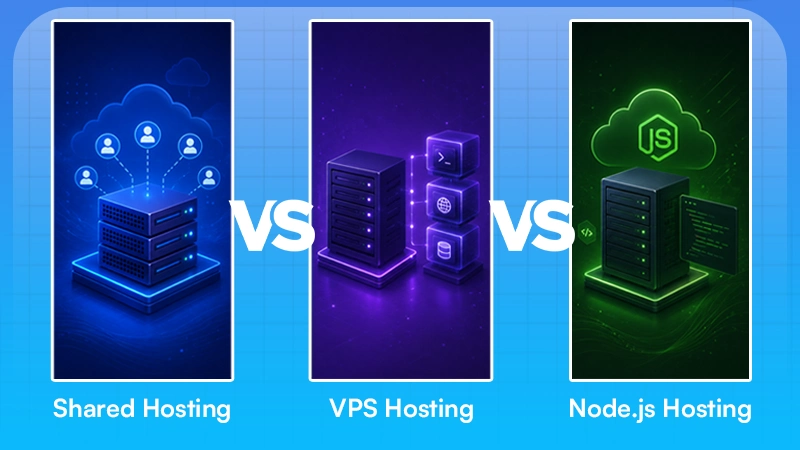
Choosing the Right Hosting Model for Scalable Digital Platforms
The performance of digital business is directly related to website speed, uptime, and scalability. Slow page performance has a negative…

How Data-Driven Performance Tools Are Transforming Employee Recognition in Tech Companies
“People work for money but go the extra mile for recognition, praise, and rewards.” — Dale Carnegie (Writer & Teacher)…

Why Businesses Struggle to Collect Reliable Data from the Web
Almost every company that depends on data runs into the same problem: although they can find the data they need,…
Why Financial Data Recovery Matters for Businesses
Financial data supports every part of a business, directly affecting cash flow, payroll, tax reports, audits, customer billing, and daily…

CMMC Compliance Is Coming for Manufacturers. Here Is What You Need to Do
“Cybersecurity is much more than a matter of IT.” — Stephane Nappo (Cybersecurity Professional) For manufacturers working within the defense…

How Data-Based Tools Influence Learning Performance
Learning has transformed in the modern age with the integration of new technologies to help students and professionals prosper in…