Fleet dashcam systems have come a long, long way from being simple video recording devices. In 2026, the camera-equipped modern fleet will no longer be a camera; it is an intelligent data system that will be able to monitor and track driver behavior, vehicle activity, incident detection in real time, and insurance and/or compliance investigations. With business organizations producing more video and operational information every day, safeguarding it is emerging as a key business priority.
As the connected vehicle ecosystem and cloud-based fleet management continue to grow, data security is becoming more crucial than ever. According to IBM Security, transportation and logistics companies remain vulnerable to cybersecurity threats as operational technologies become more digitally connected.
Unsecured dashcam footage can have far-reaching consequences for fleet operators that go beyond the lost footage; some have legal, operational, and privacy implications.
Key Takeaways
Fleet dashcam systems gather vast amounts of data from the fleet, such as road usage and operational data.
Cloud storage enhances scalability, but adds cybersecurity obligations.
AI-based dashcams have the ability to monitor the driver and provide real-time incident detection.
Badly encrypted fleet footage poses privacy and compliance issues.
For secure fleet operations, it is crucial to provide strong encryption, access controls, and backups.
Why Fleet Dashcam Data Security Matters More in 2026
The data collected by fleet dashcams has increased greatly from road footage. Today, location data, driving behavior analytics, audio recordings, GPS tracking information, and AI-generated incident reports are captured.
This ever-expanding data stream from connected vehicles presents new challenges for fleet operators. Sensitive operational information, including customer location, routes, driver behavior, or internal logistics activity, is commonly found on video.
With the growing dependence of companies on digital fleet infrastructure, safeguarding the information is becoming crucial for regulatory compliance, insurance documentation, operational transparency, driver accountability, and legal dispute resolution. The more connected the fleet systems get, the more valuable and susceptible the data stored will be.
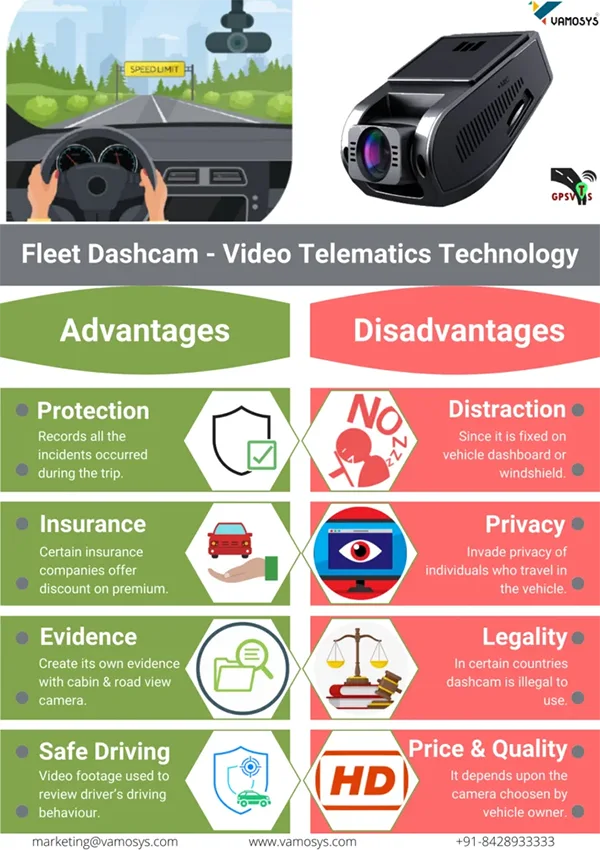
INTRIGUING INSIGHTS Here is a comprehensive comparison of fleet dashcam and video telematics technology. Discover how they differ and find out which is the better option for you.
How Cloud Storage Is Changing Fleet Dashcam Data Management
The traditional dashcam systems used a lot of local storage devices, which needed to be retrieved and serviced manually. Today’s fleet operators are increasingly looking towards the cloud, accessing data more quickly, easily, and in a more centralized manner. Businesses can leverage cloud-connected dashcam systems in a number of ways, including accessing footage remotely, storing bigger video archives, automating backup processes, retrieving incidents faster, and managing several vehicles centrally.
Cloud storage makes managing large transportation fleets much easier. Administrators can monitor and access data from centralized platforms in real-time, rather than collecting footage from individual vehicles. Cloud connectivity will also expand cybersecurity responsibilities; however, as systems can be accessed remotely, they are also exposed to additional hackers if they are not well-protected.
Key Risks of Unsecured Fleet Dashcam Data
The following are the key risks associated with unsecured fleet dashcam data:
The risks increase with the sophistication of fleet systems and the poor security of their dash cam environments.
Unauthorized Access to Video Footage
Unauthorized viewing of the tape footage is one of the greatest fears. If it’s not a well-chosen password, the outdated firmware or poorly-configured permissions could leave room for attackers or unauthorized users to gain access to sensitive operational recordings. At times, uncovered film might expose delivery routes, customer locations, internal business operations, driver activity, and vehicle schedules.
This exposure can pose significant operational and legal challenges, particularly for companies engaged in regulated transportation or those transporting sensitive material.
Driver and Vehicle Location Privacy Risks
A lot of modern systems, like a truck camera system for fleet vehicles, incorporate video recording, GPS tracking, and telematics data. This helps with visibility of the operation, and at the same time, introduces concerns around driver privacy and driver monitoring. If a system is not secured properly, it may inadvertently expose driver movement patterns, vehicle routes, delivery schedules, and real-time location information.
As privacy regulations evolve across regions, companies are navigating the tricky balance act of managing operations while safeguarding privacy.
Data Loss, Tampering, and Compliance Issues
The video on dash cam cameras is often used as evidence in accidents, insurance claims or compliance inspections. The loss of or changes to that footage can have huge operational implications. Typical risks of data include accidental deletion, hardware failure, corrupted recordings, unauthorized modifications, and incomplete backups.
Without backup and retention policies, organizations may have a difficult time recovering critical evidence in case of incidents. Durable storage reliability and tamper-proof systems are becoming more and more crucial fr current fleet operations.
New AI Features Reshaping Fleet Dashcam Systems
AI is revolutionizing the way fleet dashcam systems work and analyze video data.
AI-Based Driver Behavior Monitoring
With the modern dashcam, all these dangerous driving habits can be detected by the system automatically, such as harsh braking, distracted driving, driving too fast, or deviating from the lane. The artificial intelligence (AI) driven insights allow fleet managers to optimize their driver safety programs and ultimately lower accident-related costs.
Instead of sitting through hours of video footage, managers can directly target flagged behavioral events based on the analysis of AI systems.
Real-Time Incident Detection and Alerts
Both accidents and unusual events can now be detected in real time by a sophisticated system, and alerts can be issued automatically to fleet owners. Businesses can respond quicker to operational disruptions with real-time incident monitoring and increase the speed og the emergency response.
AI analysis paired with inter-connectivity with data systems is now making fleet monitoring more proactive than only camera-based recording spaces.
Automated Video Tagging and Evidence Retrieval
Automated video tagging and evidence retrieval is a program that automatically tags and retrieves evidence from video using AI.
AI-driven systems can automatically classify and label the video content in accordance with certain driving events, durations, or operating situations. This significantly cuts down on incident evidence searching time. These systems are particularly effective for large fleets producing thousands of video films every day, as they enhance the efficiency of fleet operations and incident investigation.
Best Practices to Cloud-Secure Fleet Dashcam Data
With the growing connectivity of the fleet systems, cybersecurity should not be an option, but weather a necessity. A strong security practice shall be comprised of:
Multi-factor authentication
Encrypted cloud storage
Role-based access controls
Regular firmware updates
Backup redundancy
Secure API integrations
Fleet operators should also consider whether cloud vendors offer:
Data retention transparency
Compliance certifications
Incident response protocols
Activity logging systems
Human error is also a leading cause of operational security failures, which is why regular employee training is vital as well. There is a technical aspect of protecting the dashcam systems and also an operational aspect of awareness.
Building a Safer and Smarter Fleet Data Strategy
Fleet dashca, systems are no longer stand-alone recording devices. They have the potential to become intelligent operational data platforms that are part of a larger transportation management system.
With AI analytics, cloud storage, and connected cars growing in popularity, businesses must have a strategy to deal with video security, compliance, and business scalability, all in one.
Businesses that prioritize proactive infrastructure, responsible data management, and scalable cloud solutions are best equipped to safeguard sensitive fleet data and enhance safety and performance.
This will be a key consideration for fleet management going forward: how to integrate connectivity, automation, an dcybersecurity.
INTERESTING FACT With AI-powered analysis of live driver facial movements and behavior, some advanced dashcam technology can now even detect driver fatigue.
Conclusion
The technology of fleet dashcams is also improving at a rapid pace, with the growing use of cloud-based and AI-driven fleet operations. These tools offer enhanced visibility, safety monitoring, and incident management, but also increase the burden in the field of cybersecurity and data protection.
In an increasingly connected transportation landscape, having fleet dashcam data is becoming a necessity, not an option. Businesses that focus on cloud security, AI governance, backup reliability, and responsible data management will be much more likely to safeguard their operational data and ensure long-term fleet resilience in 2026 and beyond.
Frequently Asked Questions
Why is fleet dashcam security important?
We have sensitive data about the systems in operation, the location, and driver-related data stored in modern systems.
How does cloud storage help with fleet management?
It provides remote retrieval of footage, backup, and centralized access to videos.
What are the biggest risks of unsecured dashcam systems?
Unauthorized entry, loss of data, privacy breaches, and compliance issues.
What are the benefits of AI in dashcams for fleets?
AI keeps eyes on driver behavior, identifies incidents, and automatically categorizes footage.

 Reviewed By Brijesh Kumar Singh
  Saipansab Nadaf