
Surveys, interviews, focus groups, and secondary data sources are the most commonly used methods of data collection.
Data Collection Methods: Definition, Techniques, Types, and Examples
 Kartik Wadhwa
Updated on: Nov 07, 2025
Table of Contents
- What is Data Collection?
- What are Data Collection Methods?
- Different Types of Data Collection Methods
- Popular Primary Data Collection Methods
- Common Secondary Methods of Data Collection
- What are Some Good Data Collection Tools?
- How to Choose the Right Data Collection Method?
- Conclusion
- Frequently Asked Questions
Do you know that 80% of companies have incorporated data analytics into their system? Plus, the data is growing at a massive scale (the global volume is projected to reach 181 zettabytes by 2025).
Understanding the right data collection methods is more important than ever. While data can unlock powerful insights, the key is to know what data to collect and how to do it.
As a fellow analyst, I am here to help you with the top methods of collecting data of different types with examples. We will try to understand why it matters and what to consider before you start.
What is Data Collection?

Data collection is one of the most essential parts of data analytics. It is the process of gathering information to understand a specific topic or case. Without the correct data, your conclusions and insights can be misleading or incomplete.
Data can be qualitative (descriptive in nature, based on opinions or experiences) and quantitative (numerical in nature, based on measurable facts).
Both play key roles in research and analysis. We have witnessed the evolution of data collection, from paper to everything online. The choice of data collection techniques also depends on what kinds of data you are collecting, your goals, your budget, and the time available.
What are Data Collection Methods?
Now that I have explained the data collection definition, let’s shift our focus to the methods for data collection. There are different techniques and tools used to gather or collect information for research or analysis. These can range from simple surveys to detailed interviews or experiments.
Based on the type of data, there can be two different kinds of data collection methods:
- Quantitative methods: These approaches collect numerical data to measure patterns or trends. For Example: Surveys, polls, experiments, etc.
- Qualitative methods: These methods focus on non-numerical information to understand behaviors, attitudes, and motivations. For example: Interviews, focus groups, observations, etc.
Combining both data collection techniques can show you a complete picture, including the ‘what’ and the ‘why’ part. The way you collect data can directly affect how accurate, relevant, and useful your research will be. It is the foundation of any successful analysis.
Different Types of Data Collection Methods

For both qualitative and quantitative methods of collection, there are two main kinds of data collection, i.e., Primary and Secondary.
1. Primary Data Collection
Primary data is original information collected directly from the source, through surveys, interviews, or observations. It is highly valuable because it offers insights specific to your needs. However, this type of data collection can take more time and resources.
Example: A D2C brand collecting customer feedback through its own online survey.
2. Secondary Data Collection
Secondary data is basically the information that has already been collected and analyzed by others. It is faster and cost-effective to use, but it might not always match your exact research goals.
Example: Government census data, public databases, industry reports, etc.
When choosing between these two types, consider your objectives, timeline, and budget. If possible, use a mix of both these collection methods for the best results.
Popular Primary Data Collection Methods
The Primary method and technique of data collection is the first-hand information that you collect directly from the sources. The benefit of using this is that it offers updated and relevant insights, and the collection method can be customized based on your unique requirements.
The offer better accuracy and control over the quality. Here are the top methods you can use to collect primary data:
1. Interviews

Conducting direct and one-on-one interviews is the most traditional approach to data collection. It allows you to ask relevant questions directly to the source. It is also a great method of data collection if you want to gather sensitive information for your research. This can be seen mostly in the case of behavioral studies and user experience analysis.
Examples: Contacting the target audience to understand the strengths and weaknesses of a product.Asking job satisfaction questions of the employees.Asking the audience what they think about a particular film.
2. Surveys

Surveys are usually done to gather some kind of quantitative data. Most of these surveys have a set of open-ended and closed-ended questions specific to the research. The resultant data from several diverse respondents is collected to collect comprehensive information. You can conduct online surveys, face-to-face surveys, or even telephonic surveys as per your requirement.
Examples: A fast food chain is conducting an online survey to measure the satisfaction levels of its customers. Door-to-door surveys to understand the demographics of the user base.Travel services conduct after-sales calls to gather feedback.
3. Questionnaires

Questionnaires and surveys are used interchangeably by some experts. However, in this approach, you use well-drafted data collection forms with a set of questions to collect relevant information. You can collect data by mailing the questionnaires or by personally asking people to help with the research. This method is widely used for customer satisfaction surveys and market research.
Examples: Market research for launching a new product.Collecting data from retailers and wholesalers to understand the gap in the supply chain.Collecting background information, like age, gender, and the place of residence.
4. Focus Groups

Focus groups consist of 6-10 people with a similar background to discuss a particular topic of the research, usually led by a moderator. This guided discussion is conducted to explore the perceptions and attitudes of the target group. This also helps to understand the reasoning behind the behavior and thoughts. However, some people argue about the lack of a non-representative sample size in this approach.
Examples: Focus group exercises are conducted by colleges and universities to understand multiple factors, like campus safety, online learning, and faculty.Local focus groups to understand the effectiveness of a government policy or scheme.Discussion with top entrepreneurs of an industry to come up with a new business idea.
5. Observations

Like the name suggests, this method of data collection involves observing people or subjects in their natural state. Participant and unobtrusive are the two different kinds of observation approaches.
In participant observation, the researcher can also interact with people or the targeted community. An unobtrusive study only allows you to take notes of their actions and behaviors. However, it is important for the observer not to be influenced by his own biases.
Examples: Assessing a group of kids classroom for behavioral studies.Observing people shopping in departmental stores to effectively change the layout of products.Observing animals in their natural habitat to research their social interaction and structures.
6. Experiments
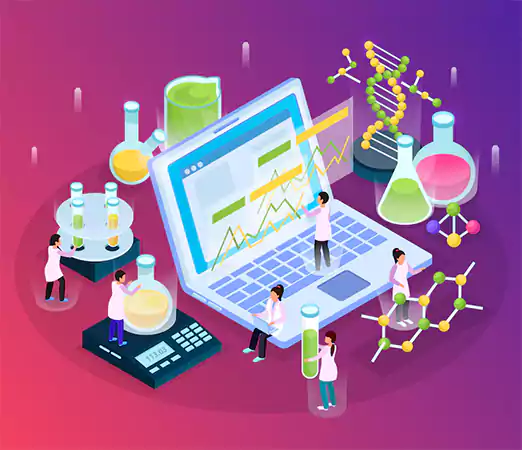
Experiments involve testing a hypothesis of one or more variables to learn about the outcomes in a specific environment. Mostly, it is used to see if changes in one variable can cause changes in another one. There are usually three kinds of variables in an experiment: independent, Dependent, and Controlled. The good thing about this method is the opportunity to establish cause-and-effect relationships with precision.
Examples: Experiments are conducted to test the efficacy of a new vaccine or medicine.One group of people is eating Diet A, and another group is consuming Diet B. After the end of the experiment, body metrics of both groups are analyzed to understand the impacts of both diets.
7. Social Media Monitoring
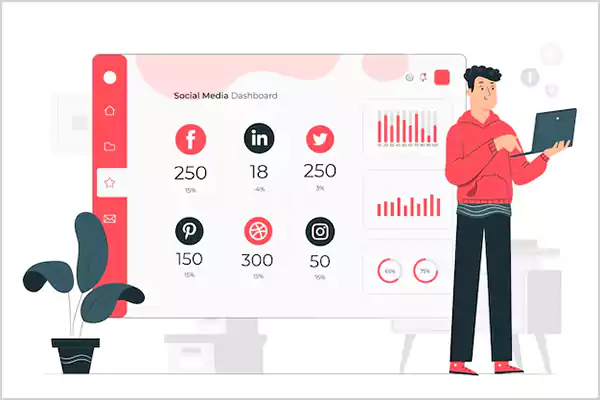
With the advent of social media, one cannot ignore the importance of collecting data from popular social media platforms, like Instagram, YouTube, TikTok, etc. This method includes tracking and analyzing activities and other interactions of the target audience. It gives you updated and real-time information on a very large and diverse user base.
Examples: Tracking interactions and engagements related to competitors to understand their strengths and gaps.Monitoring the performance of a market campaign based on likes, comments, impressions, and other interactions.Collecting data on the audience demographics from social media.
8. Longitudinal Study
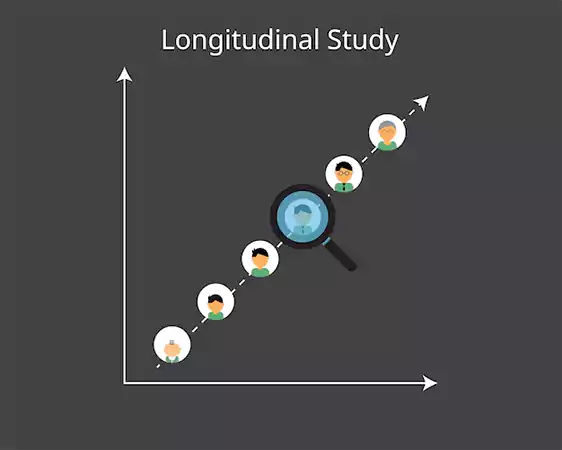
A longitudinal study is a persistent approach of collecting data from the same individuals for an extended period of time. This is mostly done to detect any change in their behavior or thoughts on a topic. There is no specific time necessary to conduct this study; it can vary depending on the type and nature of the research. You would be surprised to know that the Harvard Study of Adult Development has been collecting data for more than 80 years.
Examples: Child development studies analyze their health at multiple intervals of their life.Ongoing health studies on the heart, diabetes, brain, etc.Census surveys are conducted by governments all over the world every decade or so.
So, these are the most popular methods for data collection and analysis across different industries and topics.
Common Secondary Methods of Data Collection
As mentioned earlier, secondary data collection refers to gathering information from already existing, gathered previously for another purpose. It is cost-effective and requires less time to collect data. Here are some of the most commonly used secondary data collection methods:
- Reports from the government and other agencies, like NGOs, consultancies, businesses, and research institutions, are one of the most crucial sources of gathering secondary information.
- Internal sources like organizations’ own data and records from previous research, financial statements, customer data, sales records, CRM software, executive summaries, etc.
- Press releases, business journals, and other published records and reports can also offer you useful information.
- Data available on the internet (from authentic and trusted websites) can be used to suit your research needs.
However, relying solely on these methods might not be able to provide you with the complete picture of every case. Experts recommend that analysts use a mix of both primary and secondary data collection services for a successful research analysis.
What are Some Good Data Collection Tools?
There are various data collection software and tools that can help you in effectively collecting information. Choosing the right service depends on the type of data and research, scale of the study, and budget. Let’s take a quick look at some of the popular data collection tools.
- Interview and Focus Group Tools
- Zoom is a great and widely used video conferencing tool that can be great for online interviews and focus group discussions.
- Microsoft Teams is another great tool for collaboration and sessions.
- Survey Tools
- SurveyMonkey is a good platform to conduct surveys and analyze the information.
- Google Forms, Typeform, and Jotform for creating data collection forms and sharing surveys.
- QuestionPro is another good tool with useful survey features.
- Mobile Data Collection Tools
- Kobo Toolbox is a good free and open-source option for mobile and field data collection.
- Fulcrum is known for its reliable geolocation and custom map features, which are crucial for field collection.
- SurveyCTO allows you to collect data offline for mobile devices.
Using a good collection tool that also complements your efforts in data collection will help you with efficiency, accuracy, and consistency.
How to Choose the Right Data Collection Method?
What is the best method for data collection? Well, there is no one answer to this question. It is an important decision to make, and it should be guided by the requirements and goals of your research. Here are the things you should consider before selecting the right approach:
- Set a clear goal and assess the needs and information required to complete the analysis.
- Ask relevant questions to the stakeholders to be on the same page with their objective behind conducting the research.
- Decide on your budget for the collection part because different methods will have varied implications on your pocket.
- The timeline of the study is also important to consider before deciding on the approach. Some methods are quick, and some can take a decent chunk of your time.
- For general analysis of trends, secondary data can be enough. However, for a comprehensive analysis, primary collection of data is non-negotiable. So the scope of your data requirement also plays a part here.
Overall, it is important to use a mix of methods that can produce reliable and accurate information within the budget and other resources.
Conclusion
Here, I have tried to provide everything one may need to understand data collection methods in a condensed form. Data collection is undeniably the most important part of successful research. It can truly change the game.
I hope you will be able to follow the guidelines mentioned in this blog and use them to your advantage in making an informed decision. Please share this with people who might find this information useful.
Frequently Asked Questions
What are the 4 methods of collecting data?
What is a data collection tool?
It can be a method or software used to collect information from different sources. It allows you to produce useful insights with the help of an accurate and reliable collection.
What are the four stages of data collection?
Identification, Unification, Verification, and Enrichment are the 4 primary stages of data collection.
What are the four types of data collected?
Nominal, ordinal, discrete, and continuous are the 4 major kinds of data collected in a typical research.
What are the 4 principles of data collection?
The four principles of data collection in any project are to keep things simple, advanced planning, ensuring credibility and accuracy, and adhering to the ethics of collection.
Related Posts

How to Open Control Panel in Windows? (All Methods Explained)
The control panel in Windows is a collection of tiny programs. It is used to configure the various aspects of…

How to Delete Apps on Mac? Safe and Quick Ways to Uninstall Apps
How do you remove applications from a Mac? Most Mac users think there is just one way to delete apps.…
Why Proxy Servers Are Popular
Many tech platforms, ad networks, SaaS tools, and online stores in the world have critical traffic and infrastructure that require…
Data Loss vs. Data Strategy: Why One Conversation Matters More Than the Other
In the corporate conversation around information, most of the firms are scared of losing data. That’s understandable, as most of…

How to Turn Off Touchscreen on Chromebook? Step-by-Step Guide
Touchscreen on a Chromebook sounds great until it starts getting in the way. Accidental taps while typing, smudges, and random…

How to See Blocked Messages on iPhone? (What Actually Works)
Ever blocked someone on your iPhone and later found yourself wondering if you can see blocked texts on iPhone? It…
The 5 Architecture Decisions That Haunt SaaS Founders Two Years Later
Architecture decisions are fundamental to ensuring steady growth in any business or technical step, especially when the topic is laying…

Database Scaling: How to Manage 10,000+ Political Volunteers
Every small business or growing team needs to deal with a common issue—the database that was working perfectly for the…

What Structured Cabling Systems Include and Why Businesses Still Need Them
Nowadays, IT conversations jump straight to cloud apps, wireless coverage, and cybersecurity tools. While these are visible and easy to…