
Ans: It is the practice of analysing, collecting and transforming unstructured data into useful information and insights for admins/owners.
The Intersection of Data Engineering and Retail Profitability
 Kartik Wadhwa
Updated on: Apr 23, 2026

But how is this made possible? What forms the foundation of all these technological functions?
It is raw data that gets any process started, and the conversion of unstructured blocks of facts into proper information is done through Data engineering. This is responsible for bringing massive changes to many industries, one such being retail.
Retailers are now leveraging data to manage complex inventory pricing, such as optimizing the distribution of tax-absorbed beauty products in Singapore. By analyzing regional demand and tax structures, businesses can use data engineering to ensure high-margin items reach the right shelves at the right time.
Let’s understand how both of these are connected and why building a definite strategy for data processing is important for retail growth.
But how is this made possible? What forms the foundation of all these technological functions?
It is raw data that gets any process started, and the conversion of unstructured blocks of facts into proper information is done through Data engineering. This is responsible for bringing massive changes to many industries, one such being retail.
Let’s understand how both of these are connected and why building a definite strategy for data processing is important for retail growth.
Key Takeaways
- The dynamic and constant flow of information is made possible by the infrastructure that supports data engineering and its operations
- The gained information can be used to boost the profit margins of the retail industry
- Data pipelines are used for personalisation, cloud migration, security monitoring, real-time analytics and more.
- A well-thought-out data strategy always leads to exponential growth of the organisation
Why Data Engineering Matters in Retail
Data flow happens in the everyday functions of the retail industry, from learning about the available stock to comparing and applying discounts to certain items for a specific region.
This dynamic and constant informational access is only made possible by an infrastructure that
supports data engineering and its operations, including understanding how data drives IoT-
enabled retail solutions, as they are responsible for converting those gathered details into
something useful, which will benefit the retail business.
Turning Retail Data into Profitable Insights

When the infrastructure is stable and the data engineering methodologies are followed, basic information from various communication channels is gathered and used to form a detailed analysis of the current situation.
Furthermore, these insights convey crucial information to the upper management of the retail firm, letting them know about the current situation and the best ways to move forward.
The suggested strategies, in response to the gained facts, are followed through, essentially transforming regular specifics and figures into profitable decisions.
How Better Data Pipelines Boost Margins
As we know, data flow requires set pathways to actually function according to their defined purpose. This is done by creating robust data pipelines that not only work alongside a company’s processes but actually complement them.
These automated processes gather information from many destinations and collect it all in a data lake. It works as a sort of circulatory system for your organisation’s data.
Let’s look at some real-world examples to better understand the things that data pipelines are responsible for:
- Personalisation: The gathered info is used to analyse the targeted individual, and customised marketing strategies are implemented for them to create appeal for the products.
- Cloud Migration: Many enterprises suffer from transferring their data efficiently from legacy systems to modern alternatives. This is where data pipelines take over and keep on working in the background, without interrupting the business flow.
- Security Monitoring: The pipelines monitor transaction flow of the firm, actively looking out for threats or attacks that may occur during vital operations, and blocking them as soon as they are detected.
- Real-time analytics: Whether it is the backend process or the analysis generation of a customer’s preferences and profile, real-time analytics are the way these functionalities are made possible.
Fun Fact
Retailers use data engineering to analyse historical data, allowing them to predict sales spikes and prevent stockouts or overstock situations.
Connecting Inventory, Sales, and Customer Data
When the data pathways and foundations are set, the flow begins connecting everything through a unified connection, allowing for real-time updates on changing situations.
From searching internationally for the available stock values of tax-absorbed beauty products in Singapore to inquiring about the projected sales of the month of a specific product in the USA, all is possible through this interconnected web of complex data procedures.
Real-Time Data and Smarter Retail Decisions
When there is no plan and an absence of strategy, a company is bound to make bad decisions, which will end up affecting its growth almost instantly.
This is why smart data engineering lets retail firms in on real-time data of customers, their behaviours, latest trends, personalisation preferences and more, allowing businesses to make informed decisions with a layered strategic plan to make profitable returns.
Building a Data Strategy for Retail Growth
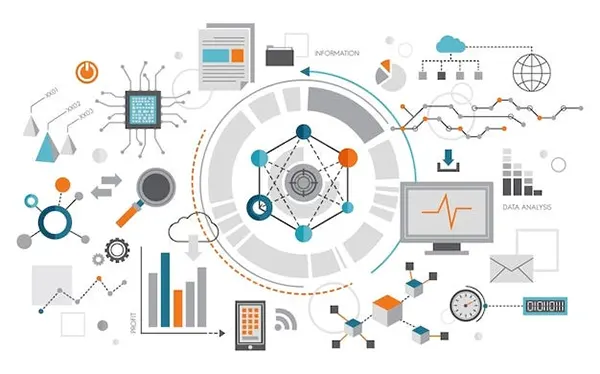
The scaling and growth of a retail business require devising a defined strategy for data architectures. All the features at once aren’t always needed by every company.
This is why a smart approach is to start with essential features that have the highest chance of bringing success to you and then scale your built data infrastructure layer by layer, until you again have all the required functionalities.
A strategy that accounts for every possibility is the one that reinforces growth when success is attained.
Frequently Asked Questions
Q1) What is data engineering?
Q2) How do retail businesses benefit from this?
Ans: Retail businesses can automate many of their manual and repetitive tasks while they focus on priority work. They also make communications between different stores easier by compiling inventory, sales and customer data all into one unified channel.
Q3) What are data pipelines?
Ans: Data pipelines are automated processes constructed by available infrastructure made to gather real-time information from various targets and store it all in a data lake for further restructuring.
Q4) How to build a smart data strategy?
Ans: A smart data strategy involves constructing essential elements first and then scaling up to more functionalities as the demand increases with time.
Related Posts
8 Best AI Presentation Makers for Business-Ready Slides
Making a presentation doesn’t just mean designing slides. It’s about defining a clear structure, using defined logic, useful visuals, and…
Queue Management Software Troubleshooting Guide: 8 Common Faults and Fixes
The long wait times and ineffective management of customer queues can have a significant impact on customer satisfaction and business…

How to Use Similarweb Website Traffic Data for Competitor Research
Competitor research without traffic data is guesswork. You can guess who your rivals are, guess how big they are, guess…
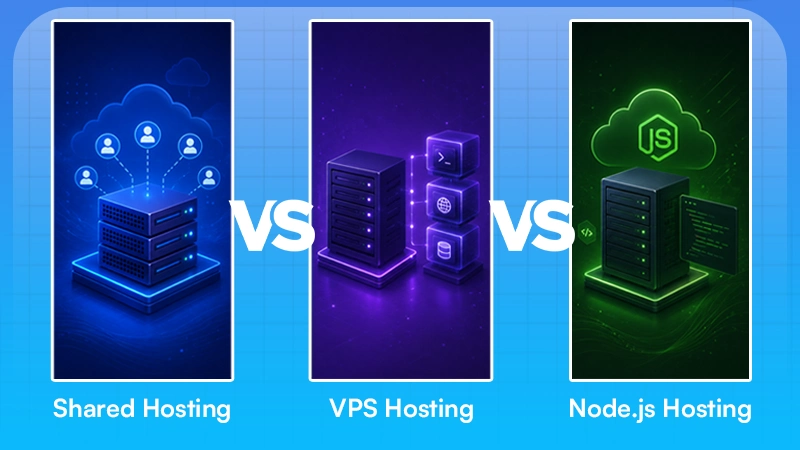
Choosing the Right Hosting Model for Scalable Digital Platforms
The performance of digital business is directly related to website speed, uptime, and scalability. Slow page performance has a negative…

How Data-Driven Performance Tools Are Transforming Employee Recognition in Tech Companies
“People work for money but go the extra mile for recognition, praise, and rewards.” — Dale Carnegie (Writer & Teacher)…

Why Businesses Struggle to Collect Reliable Data from the Web
Almost every company that depends on data runs into the same problem: although they can find the data they need,…
Why Financial Data Recovery Matters for Businesses
Financial data supports every part of a business, directly affecting cash flow, payroll, tax reports, audits, customer billing, and daily…

CMMC Compliance Is Coming for Manufacturers. Here Is What You Need to Do
“Cybersecurity is much more than a matter of IT.” — Stephane Nappo (Cybersecurity Professional) For manufacturers working within the defense…

How Data-Based Tools Influence Learning Performance
Learning has transformed in the modern age with the integration of new technologies to help students and professionals prosper in…