
Ans: Physical assets are just as necessary to an organization as digital tools are, as any damage to them may cause a business an extended downtime, which can prove to be extremely expensive.
Infrastructure Resilience: Protecting Physical Assets in 2026
 Reviewed By Brijesh Kumar Singh
  Upasna Deewan
Updated on: May 04, 2026
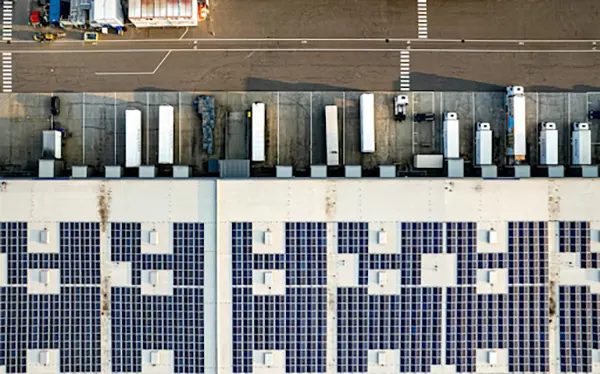
While boards obsess over virtual attacks and threats, a blocked storm drain or a faulty HVAC relay is just as likely to halt the operations of a modern-day business.
For many companies, particularly SMEs, protecting physical infrastructure requires just as much thought as does anything related to the digital world. With a much less predictable climate, rising crime, and increasing insurance premiums, investing in your business premises can reduce costs and provide owners with peace of mind that can’t be bought any other way.
Let’s learn how this can be achieved and why deploying multiple systems simultaneously is necessary to ensure safe, reliable backups at all times.
Key Takeaways
- It is important to invest in the infrastructure of the business and take time to understand its present vulnerabilities
- Climate-driven, physical hardware concerns, or supply chain issues can cause major problems for a firm if they are not accounted for in earlier stages
- It is important to consider and understand all approaches before deciding on the ways to combat existing problems
- Human oversight is necessary to ensure all processes run smoothly and without interruptions faced by automated systems
Understanding Modern Infrastructure Vulnerabilities
It pays to take a step back before exploring what businesses ought to be investing in vis-à-vis their infrastructure and take some time to understand what sorts of vulnerabilities they currently face.
Some issues, such as ensuring adequate commercial drainage design solutions to avoid the risk of flooding, will always be relevant regardless, while others will take a more modern bent based on how the world is changing (tampering with physical hardware, etc.).
We can break most modern vulnerabilities down into three general categories:
- Climate-driven: As the weather becomes more extreme and far less predictable than in years past, businesses must protect their premises from events that could cause significant damage and headaches with insurance providers. These can range from flooding to overheating, which increases the amount of thermal stress on hardware components.
- Physical hardware concerns: These can be anything from inadequate cooling to physical breaches of server rooms that might result in more serious cyber-attacks down the line.
- Supply chain issues: If COVID and the current geopolitical situation have taught businesses anything, it’s that having an overreliance on one supply chain can wreak havoc. Equipment replacement delays, spare parts shortages, and contractor unavailability are all genuine concerns that can derail a business if they’re not careful in how they store parts or who they order their equipment from.
Why Traditional Backup Systems Aren’t Enough
We mentioned earlier some modern threats facing companies and some that have always been around (flooding, for instance).
However, the truth is that depending only on what has always been done may not be sufficient, even in the face of the more “traditional” threats.
Resilience in the modern world involves systems that don’t merely survive failures but can remain ready for what might come around the corner, adapt, and ultimately evolve to stay operational and continue to make money.
The following table gives you an indication of what we’re talking about and how you can alter your frame of mind to better prepare your business:
| Traditional approach | Modern, adaptive approach | Key advantages |
| Static redundancy, such as backup generators and duplicate systems, keeps things operational. | Real-time threat detection that alerts and automates based on either pre-programmed responses or a best-case scenario. | These systems can respond immediately to emerging issues proactively rather than reactively. |
| Pre-scheduled maintenance cycles for equipment and building maintenance. | Using AI and ML paired with sensor data and known failure patterns to perform a “just-in-time” sort of upkeep. | Can prevent failures before they occur and reduce the impact of equipment and machinery being offline for too long. |
| Manual failover protocols. | Automated and adaptive responses that trigger an appropriate response without the need for human intervention (industry-dependent). | Helps to reduce the response time of an emergency to seconds rather than hours and can massively reduce the impact of such failures on company resources. |
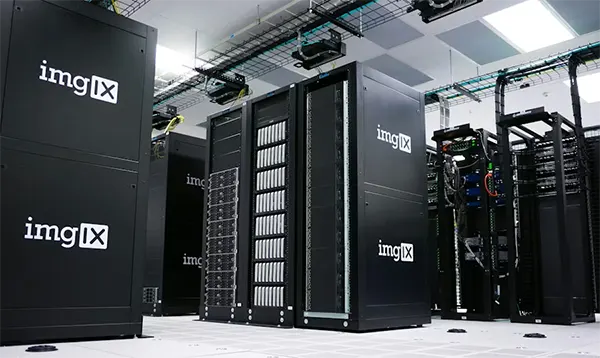
The Human Connection
With all this talk of AI, ML, data, predictive responses, etc., it’s easy to fall into the trap of glazing over technology as the be-all and end-all.
If a company is serious about protecting its assets, regardless of what year it might be, it must also remain committed to its human resources.
In many ways, there is no real substitute for having human oversight, and while organizations absolutely must invest in suitable technology based on their circumstances, it has to be paired with a real employee to create a well-rounded level of resilience that all businesses crave.
Fun Fact
When data storage devices reach the end of their life, they can be securely wiped using a “cryptographic erase”, destroying the encryption key rather than trying to overwrite the data.
This might involve updating outdated training procedures to better reflect modern threats and recruiting the right talent able to implement and oversee the ever more complex systems that we’ve mentioned thus far.
Maintenance managers and teams to oversee the physical side of things, and to server technicians who can set up and supervise the sorts of automations required to keep the operations humming along without interruption or bottlenecks, are just a few examples of how vital humans remain to a dedicated infrastructure resilience plan.
The reality is that there is no such thing as isolated risk management in the modern world, and without the right procedures or planning, businesses can find themselves at the mercy of multiple events collapsing into something much larger than expected.
This is why a well-rounded approach that involves a variety of options is the best way to ensure operations continue regardless of circumstances.
Frequently Asked Questions
Q1) Why is there a need to protect physical assets?
Q2) What is the best approach to protect assets?
Ans: The best way is to combine both traditional and modern strategies to enhance the security and sustainability of physical assets and systems.
Q3) Why is it necessary to have effective human oversight?
Ans: Human oversight guarantees that no mistakes are being made in the automated processes, verifying the effectiveness of the approach involved and suggesting improvements as time goes on.
Q4) What are the major modern vulnerabilities?
Ans: The following are the three major modern vulnerabilities that organizations deal with:
- Climate-driven
- Physical hardware concerns
- Supply chain issues
Related Posts

8 Best AI Presentation Makers for Business-Ready Slides
Making a presentation doesn’t just mean designing slides. It’s about defining a clear structure, using defined logic, useful visuals, and…

Queue Management Software Troubleshooting Guide: 8 Common Faults and Fixes
The long wait times and ineffective management of customer queues can have a significant impact on customer satisfaction and business…

How to Use Similarweb Website Traffic Data for Competitor Research
Competitor research without traffic data is guesswork. You can guess who your rivals are, guess how big they are, guess…
Choosing the Right Hosting Model for Scalable Digital Platforms
The performance of digital business is directly related to website speed, uptime, and scalability. Slow page performance has a negative…

How Data-Driven Performance Tools Are Transforming Employee Recognition in Tech Companies
“People work for money but go the extra mile for recognition, praise, and rewards.” — Dale Carnegie (Writer & Teacher)…

Why Businesses Struggle to Collect Reliable Data from the Web
Almost every company that depends on data runs into the same problem: although they can find the data they need,…
Why Financial Data Recovery Matters for Businesses
Financial data supports every part of a business, directly affecting cash flow, payroll, tax reports, audits, customer billing, and daily…

CMMC Compliance Is Coming for Manufacturers. Here Is What You Need to Do
“Cybersecurity is much more than a matter of IT.” — Stephane Nappo (Cybersecurity Professional) For manufacturers working within the defense…

How Data-Based Tools Influence Learning Performance
Learning has transformed in the modern age with the integration of new technologies to help students and professionals prosper in…