


Proper data sanitization permanently and irreversibly destroys data in storage media so it cannot be recovered by forensic tools. The three main methods are clear, purge, and physical destruction.
Best Practices for Confirming Data Sanitization After IT Assets Are Resold
Table of Contents
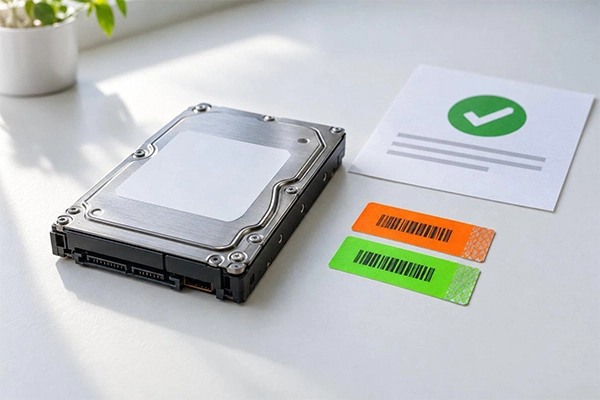
Data sanitization is the permanent, irreversible removal or destruction of data stored on IT hardware and memory devices so that it can’t be recovered by a forensic tool or technique. Sanitization is a multi-step process used to remove physical debris and dirt and reduce harmful microorganisms to safe levels on surfaces and equipment. Let’s see the process in detail through this article.
What True Data Sanitization Means
Not all forms of data removal are comparable, but in practical terms, “sanitized” means the data will be reduced to a state where no meaningful information can be recovered using standard or advanced recovery methods. These methods usually have three categories:
- Clearing: Standard office device performed thoroughly when overwriting storage space through software-based processes. For example, running a department-wide disk utility to overwrite employee laptop drives before they are sent for resale.
- Purging: Target the recovery threats by using specialized utilities or firmware-level erasure. This is usually necessary for high-sensitivity environments, such as servers enclosing protected health information. In some cases, organizations have inadvertently missed purifying RAID member drives, resulting in lingering recoverable data after a bulk resale event.
- Physical destruction: Shredding, degaussing, or otherwise dismantling storage when cryptographic removal or software purging is not practicable, or when drives are defective. For example, failed drives that cannot completely depend on a software wipe are often physically destroyed as part of a controlled asset disposition process.
If sanitization is done correctly, it will run confidential business applications or regulated workloads generally require deeper sanitization than generic desktops. Network devices often need additional attention due to embedded configurations and credentials. A typical supervision involves failing to clean arrangement backups or iDRAC/iLO management modules, which can store administrator expertise and network configuration details.
Common Areas Where Data Lingers
After the primary step, it is still easy to find hidden data sources on modern IT equipment. Common failure points include:
- Secondary, internal, or pluggable drives that are missed in batch processes. For example, an asset manager resells a cabinet server without verifying whether an uncommon SSD or NVMe drive was removed and wiped individually. Hidden RAID collections, sometimes formed using just a subset of available drives, are often missed unless specifically listed.
- Disks confused or omitted within RAID or JBOD storage attachment. It isn’t normal for a RAID member drive to retain residual data if it is not separately addressed during sanitization.
- Residual logs, stored configuration, and credentials stored in network components or management chips. Devices such as switches may preserve information on internal flash that survives a basic reset process.
For example, a Windows server that’s had its C: drive sanitized may still contain business data on a secondary volume, or device logs may remain within management modules. There are known occurrences where organizations failed to clear shadow copies or previous volume snapshots, eventually leading to unofficial access post-sale. If your processes involve activities to sell servers, it’s important to include checks for all of these enduring data locations as part of your asset governance policies.
Practical Verification Workflow
An effective sanitization process follows a consistent process. Whether you are the original device owner or the buyer, these points reduce the risk of accidental disclosure and support a credible data governance program.
- Inventory and chain-of-custody: Review each asset’s serial, model, and all drives or storage locations as they enter and exit the sanitization workflow. For example, create an entry for each detected hard drive and ensure this matches before and after sanitization. This is a foundational requirement for verifiability.
- Device visibility: Verify that all the media are visible in management serviceability and that no hidden or unmounted storage is missed. A common error is supposing the OS only lists all connected drives, while storage controllers or inserted management (like iDRAC or iLO) may disclose additional or offline drives that need removal.
- Completion status: Review decontamination logs and error reports to ensure each process finishes without issues. For example, double-check that no error codes or skipped partitions appear in merchant wipe logs.
- Spot-checking and forensics: Independently scan a segment of wiped drives using professional restoration software. For instance, attempt to recover files from accidentally selected SSDs from a lot to confirm the absence of user data. Document any general or false positives confronted and address gaps promptly.
- Sampling for bulk lots: For large batches, select representative devices from each group for detailed verification, increasing your sample size for high-sensitivity data; for example, in a shipment of 100 workstations, at least 5–10% should be forensically tested if they previously held restricted information.
Reporting, Documentation, And Audit Trails
A trustworthy audit trail gives your organization and stakeholders confidence that best practices are followed and the data governance standards are enforced throughout the resale process. Consistent with NIST media sanitization guidance, strong reporting documents:
- Asset verification and inventory records, including all discovered drives and components
- Date, time, and method of disinfection, such as a log extract showing encryption erase completion on each SSD
- Names or IDs of staff responsible at each step, supporting accountability and sign-off workflows
- Log extract or checksums, where available, to confirm successful wipes and absence of errors
Well-done sanitization reports summarize these findings without exposing confidential data but are detailed enough for internal and external audit. For example, including the serial numbers of all sanitized drives, the software version used for wiping, and screenshots of “success” indicators creates a strong, reviewable trail.
The Role Of Recovery Tools In Verification
Data recovery tools as verification measures enhance your compliance efforts by providing an additional layer of post-sale guarantee. When choosing hard drive recovery software for spot checks, classify tools that can identify files, metadata, and partitions without altering the tested media.
However, some tools may identify system headers or deleted directory entries as “recoverable,” so it’s vital to document results and distinguish between benign artifacts and actual data remnants. For example, scanning for shadow copies or previous users’ data on a set of laptops may reveal missed separation that requires further disinfection. These checks help ensure that audit results stand up to regulatory scrutiny and enhance a culture of accountability in IT asset management.
Special Cases: Encrypted, Non-Wipeable, And Destroyed
Some devices use system-level encryption as a primary control. If you confirm that a device is fully encrypted and all keys have been destroyed, additional rubbing may not be technically required, provided your organization’s data governance policy recognizes encrypted removal as sufficient. On the other hand, for defective, inherited, or non-wipeable hardware where data removal cannot be confirmed, physical destruction is the preferable route. For example, inactive backup tapes with expired encryption keys or SSDs with malfunctioning controllers are often physically destroyed and recorded in your accountability-process logs.
Driving Accountability In Asset Resale
Periodically, your team reviews both process successes and failures, strengthening organizational discipline and minimizing the potential for repeated errors. By maintaining comprehensive records of verification steps, results, and corrective actions, your organization can demonstrate compliance and uphold its responsibility to protect sensitive information throughout the IT asset resale lifecycle.
Frequently Asked Questions
What are proper data sanitization methods?
What is asset sanitization?
Asset sanitization is the permanent, irreversible removal or destruction of data stored on IT hardware and memory devices so that it cannot be recovered by any forensic tool or technique.
What is the sanitization process?
Sanitization is a multi-step process used to remove physical debris and dirt and reduce harmful microorganisms to safe levels on surfaces and equipment.
Related Posts
Fix the Data Before You Buy a BI Tool
Most of the growing businesses has one spreadsheet that holds the operation together. It might track orders, jobs, inventory, or…

How to Protect Business Data From Unwanted Scrapers
Scrapers are a well-known problem for businesses; protecting private records, discouraging unwanted bulk copying, and preserving access are topics one…

Your Email is Data Too: Testing AI Tools That Work Without an Account
People who read about data recovery are most likely to think hard about the place where the files can go.…

UX Design Firm or Full Product Partner: Who Owns the Outcome?
The ownership argument between both kinds of suppliers never ends. The sentence costs nothing to say, but blindly trusting that…
What is BitLocker and How Does It Work?
A stolen laptop can expose far more than the device itself. Your documents, work files, photos, and personal information may…

Beyond the Checkout: 5 Best High-Risk Merchant Account Providers for Online Businesses
Even with polished checkouts, online stores can still have trouble getting secure, suitable payments. The process is more complex than…
The 8 Best Automated Accessibility Testing Tools for Websites
Great copy and sharp design don’t prove that your website is accessible. It’s things like colour contrast, missing alt text,…

Cybersecurity Training for Beginners: 4 Practical Options Compared
Starting in cybersecurity is confusing because most beginner options look similar on the surface. Some are compact awareness courses, some…
The Ultimate Guide to Electronic Signatures for Businesses 2026
Electronic signatures are making modern workflows more convenient and time-saving. This guide to electronic signatures will let you know how…