
Yes, when businesses employ trusted and secure payment platforms.
How Small Businesses Can Use QR Codes Securely
 Reviewed By Brijesh Kumar Singh
  Saipansab Nadaf
Updated on: Mar 17, 2026
QR codes for payments have become a new normal today. In places varying from 5-star restaurants to local markets, you would find QR code stickers to make payments fast and convenient. And as a result, 44% of consumers scan a QR code at least once a week or more.
If we talk about small businesses, they offer an easier and, obviously, convenient way to connect customers with products, services, and online platforms. However, it also creates security risks. Fake payment links, phishing scams, malicious redirects, and what not.
And, in this post, we will uncover effective ways small businesses can use QR codes safely.
Key Takeaways
- QR codes are a great way to make businesses more convenient and engaging.
- Dynamic QR codes are more secure and flexible in terms of control.
- Only trusted QR code generation sites should be used by businesses.
- QR code usage is on the rise as there are cybersecurity threats such as phishing and fraud.
- Frequent monitoring and customer awareness enhance QR code safety.
Why QR Codes Are Essential for Small Businesses Today
When it comes to customer engagement and streamlining workflows, small businesses are always looking for cost-effective solutions. QR codes are effective tools to help achieve both objectives efficiently. Here are the basic steps for using QR codes
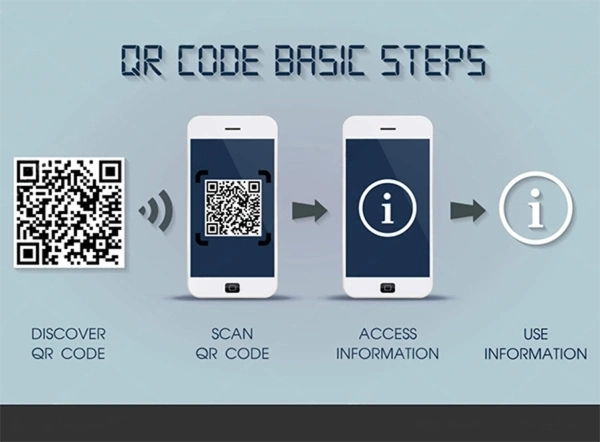
These enable businesses to seamlessly integrate offline users into a digital environment in real-time. It can send consumers to product information pages, payment gateways, social media pages, or websites.
It is crucial for businesses to know why they are increasingly turning to QR technology before they can dive deeper into its advantages. Advantages of QR codes:
- Enable contactless payments
- Reduce printing costs
- Improve customer convenience
- Be supportive of digital marketing campaigns
- Increase customer engagement
- Make information accessible and findable in a timely fashion
QR codes are used in restaurants to display menus, in retail stores to promote sales, or in services to inform users about services and collect feedback. Their versatility makes them useful in almost all industries.
How QR Codes Work and Where They Are Used
QR codes are 2D barcodes that contain digital information. These can be scanned with a smartphone camera or QR scanner app, and instantly show the stored content. A QR code can contain website URLs, payment details, contact information, Wi-Fi credentials, app download links, or text messages.
They are much more efficient for businesses than traditional barcodes since they can store more data, and QR codes are utilized in various ways by businesses to enhance customer engagement and streamline operations.
- Retail stores: Product details and discounts
- Restaurants: Digital menu and ordering at restaurants.
- Healthcare clinics: Patient forms and appointment booking.
- Events: Ticket verification and registrations
- Real estate: Virtual property tours
QR codes also help businesses bridge the gap between physical marketing materials and digital customer experiences.
FUN FACT
QR codes can hold up to 4,296 characters, resist damage up to 30%, and can even be customized with colors or logos.
Security Risks Associated with QR Code Usage
While QR codes are convenient, they can also expose businesses and customers to cybersecurity threats if not managed carefully. Not being able to check the link directly before scanning makes QR codes make it an excellent weapon for attackers to use for malicious purposes. Once businesses are aware of the top risks, they can take steps to prevent them. Some common QR code security risks that you should be aware of are:
- By sending users to fake websites, phishing attacks can redirect them
- Payment fraud by replacing the payment QR with a fake one
- Malware downloads through QRs
- Collection of sensitive customer information
- Directing users to fake promotions.
A new cyber hazard is “quishing,” or the use of fake QR codes in phishing attacks. Scammers can use fake QR codes in public areas and stores. Small businesses are frequently targeted as they might not have robust cybersecurity measures in place.
Best Practices for Using QR Codes Securely
QR codes are safe for businesses to use if certain key security measures are adopted. A proactive strategy helps to minimize the risk of fraud and maintain consumer confidence. There are several security measures that can enhance QR code security.
- Use a trusted QR Code Generator that includes tracking and secure HTTPS links.
- Before publishing QR codes, test them to make sure they are linked to a secure and legitimate website.
- Security management is easier as links can be updated without altering the printed QR codes.
- It is important that businesses regularly check displayed QR codes for any sign of tampering or fake stickers.
- Increase security awareness among staff and clients.
- Ensure that only necessary information is collected from the customers through QR-linked forms and platforms.
These practices will help businesses minimize cybersecurity risk without losing customers’ trust.
Tools and Platforms for Safe QR Code Generation
The platform chosen for creating QR codes can play an important role in their functionality and security. There are now lots of specialist products that have business-specific capabilities. Businesses looking for a platform must review the security and management features of the platform before choosing.
You should look for platforms that include HTTPS encryption, dynamic QR code support, password protection, scan analytics, link editing options, and malware protection. Some popular platforms are Beasconstac (rebranded to Uniqode), QR tiger, Scanova, and Quillbot.
Businesses should steer clear of free generators that are not well-known, as they can cause problems with the security of the users or lead users to advertisements on the destination QR codes.
Conclusion
With their ability to identify and connect with customers, QR codes are proving to be a valuable tool for small businesses aiming to enhance customer experience, streamline interactions, and boost digital engagement. They are versatile and affordable, making them useful in a variety of industries, including retail, healthcare, education, and hospitality.
Security is, however, a matter to be considered in conjunction with convenience. Fake QR codes are increasingly being used to carry out cyber threats like phishing, malicious redirections, and payment fraud.
With the help of trusted platforms, tracking QR code usage, and training employees and customers, businesses can safely leverage QR technology without compromising sensitive data or trust.
Frequently Asked Questions
Are QR codes safe for payments?
What is a dynamic QR code?
A dynamic QR code enables businesses to update links after they’ve been made.
Is it possible to hack QR codes?
While QR codes cannot be hacked, they can lead someone to a malicious website.
Why are QR codes popular among small businesses?
They are simple to use, low-cost, and convenient for customers.
What’s the way for customers to know whether a QR code is real or not?
Customers should not scan damaged or suspicious links and should preview them before scanning.
Related Posts

8 Best AI Presentation Makers for Business-Ready Slides
Making a presentation doesn’t just mean designing slides. It’s about defining a clear structure, using defined logic, useful visuals, and…
Queue Management Software Troubleshooting Guide: 8 Common Faults and Fixes
The long wait times and ineffective management of customer queues can have a significant impact on customer satisfaction and business…

How to Use Similarweb Website Traffic Data for Competitor Research
Competitor research without traffic data is guesswork. You can guess who your rivals are, guess how big they are, guess…

Choosing the Right Hosting Model for Scalable Digital Platforms
The performance of digital business is directly related to website speed, uptime, and scalability. Slow page performance has a negative…

How Data-Driven Performance Tools Are Transforming Employee Recognition in Tech Companies
“People work for money but go the extra mile for recognition, praise, and rewards.” — Dale Carnegie (Writer & Teacher)…

Why Businesses Struggle to Collect Reliable Data from the Web
Almost every company that depends on data runs into the same problem: although they can find the data they need,…

Why Financial Data Recovery Matters for Businesses
Financial data supports every part of a business, directly affecting cash flow, payroll, tax reports, audits, customer billing, and daily…

CMMC Compliance Is Coming for Manufacturers. Here Is What You Need to Do
“Cybersecurity is much more than a matter of IT.” — Stephane Nappo (Cybersecurity Professional) For manufacturers working within the defense…

How Data-Based Tools Influence Learning Performance
Learning has transformed in the modern age with the integration of new technologies to help students and professionals prosper in…