


Ans. 5 ways to secure your data are: encryption, multi-factor authentication, regular backups, access controls, and software updates.
Building Better Data Safety Habits in a Connected World

Nowadays, there is a lot of data say it in laptops, phones, cloud platforms, messaging tools, and in AI-powered applications. This type of data brings opportunities, but it also increases the risks of data theft. That’s why data safety is not only the responsibility of the IT department, but it depends on how data is managed by employees, freelancers, business owners, and professionals.
To secure data and information, it is important to understand where information goes, restrict unnecessary exposure, secure accounts and devices, and, most importantly, choose technology according to the sensitivity of work. By following good practices, one can certainly avoid the risk without making the technology difficult to use.
Consider Where Your Data Is Actually Processed
People often think about where files are stored but ignore where information is processed. Voice transcription is a useful example. Traditional cloud-based speech tools may transfer audio to remote servers so it can be converted into text. That may be convenient, but it also means information exits the user’s device.
For conversations involving confidential business information, personal notes, medical details, or other sensitive material, local speech to text can provide an alternative by performing transcription directly on the user’s computer. Some modern voice tools allow speech models to operate locally and even function offline, reducing the need to transmit audio elsewhere.
Local processing does not automatically make the whole workflow secure. Device security, application permissions, backups, and where the resulting text is actually saved still matter. However, understanding whether information stays on a device or travels to external infrastructure is an important part of testing technology.
Use Strong Authentication Everywhere
Passwords remain one of the most important gateways to sensitive information.
Reusing the same password across multiple accounts creates unwanted risk. If one service suffers a breach and credentials are exposed, attackers may try to use those credentials elsewhere.
Use unique passwords for important accounts and consider a reputable password manager to make them simpler to maintain.
Multi-factor authentication adds another useful layer. Even when someone obtains a password, they may still require an additional verification method before gaining access.
Organizations should pay special attention to accounts containing financial records, customer information, employee data, cloud storage, and administrative controls.
Authentication policies should also restrict access levels. Someone with authority to change security settings or download large amounts of information brings a different level of risk from an employee with limited permissions.
Strong authentication cannot avoid every attack, but it can make compromised credentials considerably less useful.
Keep Devices Properly Protected
Data safety starts with the physical devices people use every day.
Laptops and smartphones should be protected with secure login methods and should lock automatically after periods of inactivity. Operating systems, browsers, and applications should also get security updates promptly.
Updates are easy to postpone because they sometimes disturb work. Unfortunately, outdated software may have known vulnerabilities that attackers already understand.
Encryption gives another important layer of protection, particularly for portable devices. If an encrypted laptop is stolen, accessing its stored data and information can actually be more difficult than accessing data on an unprotected drive.
Remote workers should take physical security seriously as well.
Leaving an unlocked laptop unattended in a public place or allowing other people to use a work device can expose information irrespective of how sophisticated the organization’s cybersecurity systems are.
Limit Access to Sensitive Information
Not everyone inside an organization requires access to everything.
The principle of least privilege means users should get only the access necessary to perform their responsibilities. Someone working in marketing, for example, may not require unrestricted access to payroll information.
Restricting permissions limits the potential impact of both mistakes and compromised accounts.
Access should also change when roles shift.
Employees who move between departments may accumulate permissions over time unless organizations regularly review them. Accounts belonging to people who leave should be disabled immediately.
The same thing applies to third-party applications.
Before allowing software to access email, calendars, documents, microphones, contacts, or cloud storage, consider whether those permissions are genuinely needed.
Convenience should not automatically justify unrestricted access.
Be Careful With AI and Sensitive Data
Generative AI has made it very easy to summarize documents, rewrite text, analyze information, and automate repetitive tasks.
That convenience can encourage people to paste information into tools without thinking about what the material contains.
Before giving confidential information to an AI system, understand the organization’s policies and the service’s data practices. Sensitive material might consist of customer records, contracts, medical information, unpublished financial results, passwords, proprietary code, or internal strategy documents.
Organizations should make clear rules about which AI tools employees may use and what information can be submitted.
Local AI processing may offer an option for certain workflows where minimizing external transmission is important. Some current applications, for instance, offer locally running speech-recognition models specifically so audio can be transcribed on the user’s own machine.
AI adoption should make work more efficient without silently weakening existing data protections.
Make Data Safety Part of Everyday Culture
Technology alone cannot create solid data security.
People make decisions whether to click suspicious links, reuse passwords, share documents incorrectly, install unapproved software, or send sensitive information through inappropriate channels.
Organizations therefore need a culture where security is treated as an ordinary part of work instead of an annual compliance exercise.
Training should focus on realistic situations employees face. Explain how to identify phishing attempts, verify unexpected requests, report mistakes quickly, manage sensitive files, and check unfamiliar applications.
Employees should also feel comfortable reporting potential security incidents without fearing that an honest mistake will automatically result in punishment. Fast reporting can help security teams respond before a small problem becomes a bigger one.
Data safety lastly depends on many small decisions. Strong authentication, secure devices, limited permissions, careful technology selection, protected backups, and thoughtful management of AI all contribute.
The safest organizations are not only those using the most complicated technology. They are the ones that understand where their information goes, minimize unnecessary exposure, and make protecting data part of how everyday work gets done.
Frequently Asked Questions
What are 5 ways to secure data?
What are the two ways to protect your data?
Ans. The two ways to protect your data are encryption and regular backups.
What is Data Protection?
Ans. Data protection is the process of securing crucial data and information from corruption, compromise, loss, or unauthorized access while making sure it remains accurate and available when required.
Related Posts
The 8 Best Automated Accessibility Testing Tools for Websites
Great copy and sharp design don’t prove that your website is accessible. It’s things like colour contrast, missing alt text,…
Cybersecurity Training for Beginners: 4 Practical Options Compared
Starting in cybersecurity is confusing because most beginner options look similar on the surface. Some are compact awareness courses, some…
The Ultimate Guide to Electronic Signatures for Businesses 2026
Electronic signatures are making modern workflows more convenient and time-saving. This guide to electronic signatures will let you know how…
How Email Authentication Fits Into a Layered Cybersecurity Strategy
One convincing email can be sufficient to pose major problems regarding security for a business. An email that appears to…
7 Best Client Intake Software Tools in 2026 for Service Businesses
A client intake form works best for collecting data like names, contact information, and project needs. But what does a…

Top Salesforce Consulting Companies: How to Choose the Right One
Salesforce consulting firm was not something that is too difficult to choose. But nowadays, there are too many options available…
How IT Teams Can Protect Data Across Thousands of Employee Devices
Protecting employees’ data from when they get hired and get their first laptop to the day the laptop finally gets…
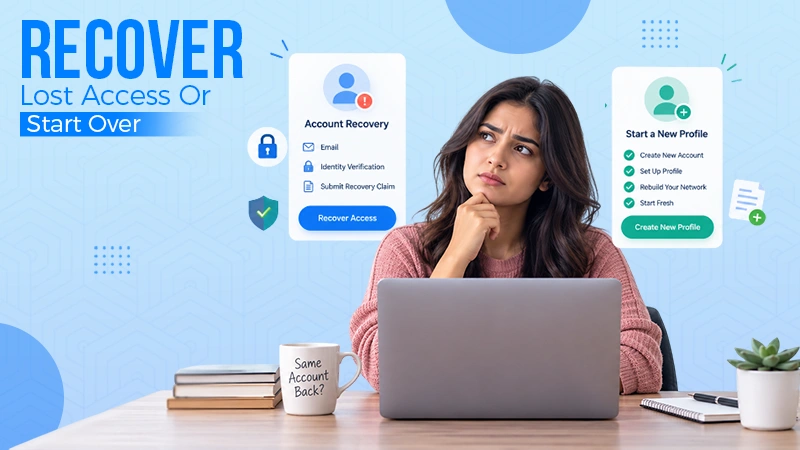
Recovering Lost Access: When to File Recovery Claims vs. Starting Over with Established Profiles
ALT: Recovering lost access to a profile IMG SRC: https://www.howtogeek.com/microsoft-excel-ways-to-recover-lost-work/ Losing access to an old online profile can be frustrating,…
Top 10 Privacy-Preserving Identity Verification Providers
Choosing the best identity verification software is a high-stakes decision for any business that verifies customers remotely, identity documents, facial…