


MDL 3181 is a federal multidistrict litigation proceeding involving allegations concerning certain spinal cord stimulator products associated with Abbott Laboratories and Boston Scientific.
How MDL 3181 May Shape Future Spinal Stimulator Injury Claims
Table of Contents
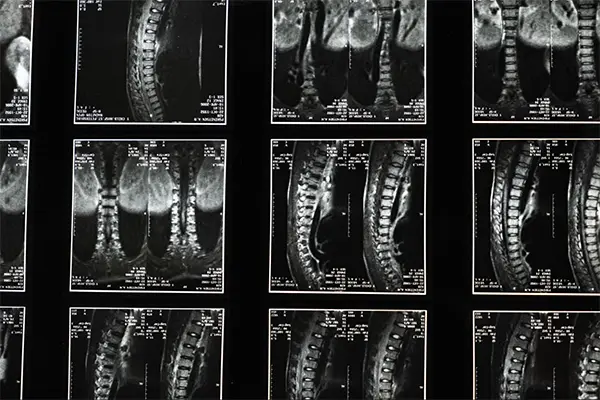
Many patients suffer from and continue to live with chronic back or nerve pain. For them, a spinal cord stimulator can represent a chance to regain mobility and independence. But when an implanted device allegedly malfunctions, causes painful shocks, or requires additional surgery, the treatment intended to provide relief can become the source of a new legal and medical battle.
The U.S. Food and Drug Administration has received thousands of adverse-event reports involving spinal cord stimulators, underscoring the potential seriousness of device-related complications.
With the Boston Scientific spinal cord stimulator MDL 3181 consolidated litigation, the proceedings could influence how evidence, causation, and damages are evaluated in future spinal stimulator injury claims.
Why Centralization Matters
The Judicial Panel on Multidistrict Litigation enumerated MDL 3181 as litigation involving Abbott Laboratories and Boston Scientific spinal cord stimulator products. Centralization permits one federal court to manage shared pretrial tasks, including discovery disputes and expert dealings.
Individual lawsuits do not become one class action through this process. Each claimant keeps a separate case, with distinct medical facts and damages. Shared proceedings can decrease duplicated work, while personal proof remains essential. That balance may shape future settlement values and trial outcomes.
Evidence May Become More Consistent
Central proceedings usually encourage common discovery requests, record formats, and expert disclosures. Attorneys have to compare:
- Device reports
- Surgical notes
- Complaint histories
- Manufacturer materials
No wonder precision measurement tools are becoming essential in modern manufacturing. Consistent evidence can reveal recurring patterns that might stay hidden when cases proceed separately.
Still, similar allegations do not prove identical injuries. For instance, one patient can come with the report of painful stimulation, while another may require revision surgery after device failure. Medical timing, preliminary conditions, and treatment response can produce different results.
Device Records Could Gain Importance
Various information sources will assist in identifying the product involved:
- Implant cards
- Serial numbers
- Programming notes
- Service communications
Patients may also need operative reports, imaging studies, billing records, and removal documents. These materials can connect a particular system to a claimed malfunction or adverse event.
Manufacturing dates and model attributes will matter during discovery. A record showing repeated adjustments, unexpected shocks, loss of therapy, or replacement surgery could support a stronger factual timeline. Missing paperwork does not end a claim, but it may make evidence harder to gather.
Medical Proof Will Remain Central
A successful injury claim generally requires more than showing that a device was implanted. Medical evidence must address the:
- Reported condition
- Possible causes
- Treatment needs
- Lasting effects
Physicians may evaluate nerve damage, burns, infection, increased pain, or complications from removal.
Treatment records can also show whether symptoms began after implantation or worsened following a device event. Expert opinions will examine other explanations, including prior spinal disease, surgical complications, or unrelated health conditions. Explicit medical causation may become a major point of dispute.
Bellwether Trials May Provide Signals
MDL courts will select representative cases for early trials, often called bellwether proceedings. These trials do not automatically decide the result for every claimant. They test arguments, evidence, expert testimony, and jury reactions before broader resolutions occur.
Early judgments can influence negotiation positions, but they are not guaranteed predictions. A case involving severe neurological harm may differ sharply from one involving temporary discomfort. Claimants should compare facts rather than rely on headlines or isolated outcomes.
SURPRISING STATS
Research says spinal cord stimulator explant rates are 11% at one year, 16% at two years, 20% at three years, 24% at four years, and 32% at five years.
Settlement Discussions Could Change
Shared discovery may give both sides more information about alleged injuries and defense standings. That information can support broader settlement talks. Courts may also address common criteria for reviewing claims, though any proposal must still account for individual harm.
Monetary recovery will include:
- Medical expenses
- Lost income
- Pain
- Future care
- Other losses recognized under applicable law
The available categories depend on state rules and case facts. No public result can guarantee a particular payment for another individual.
Filing Deadlines Still Apply
MDL participation does not erase state statutes of limitation. Filing periods can vary by:
- Location
- Injury type
- Product theory
- Discovery date
Some states apply special rules when an injury could not reasonably have been identified earlier.
Patients should maintain medical records and speak with qualified counsel before a deadline approaches. Waiting for a major court event may create unnecessary risk. A timely review can identify jurisdiction, filing requirements, and possible evidence gaps.
What Claimants May Expect Next
Forthcoming developments will include:
- Discovery orders
- Expert challenges
- Case selections
- Settlement negotiations
- Remand decisions
Remand means an individual lawsuit may return to its original federal court for trial preparation. The schedule can change as judges resolve procedural disputes.
Claimants should monitor formal court notices rather than depend on social media recaps. Attorneys can explain whether a new order affects eligibility, evidence, or deadlines. Regular updates can help patients make informed decisions without assuming that every order applies equally.
Conclusion
MDL 3181 may create a clearer framework for spinal stimulator injury claims, but personal proof will continue to drive each case. Device identification, medical causation, treatment history, and financial harm can affect valuation and courtroom strategy. Centralized discovery will reveal shared issues, while individual differences remain decisive. Patients and relatives should preserve records, track symptoms, and seek legal guidance before filing deadlines expire or evidence becomes difficult to obtain.
Frequently Asked Questions
What is MDL 3181?
Does joining MDL 3181 mean my case becomes a class action?
No. Multidistrict litigation is different from a class action.
What evidence may be important in a spinal stimulator injury claim?
Relevant evidence can include implant records, device model and serial numbers, operative reports, medical imaging, programming records, adverse-event documentation, treatment records, and records of revision or removal surgery.
Related Posts
Using HeyGen AI for Sales and Customer Onboarding
It’s best to use HeyGen AI to create videos for you that answer a particular question or pain point. You…

Search Console Forgets Everything After 16 Months: How to Back Up Your SEO Data
After completing the period of 16 months, all the data and access are deleted from Google Search Console’s database. After…
Why Digital Transformation Projects Stall: A Resourcing Playbook for Project Managers
Digital transformation projects are on the rise at this time. From government-backed initiatives to enterprise cloud adoption and AI integration.…
How Email Hosting Providers Store and Protect Business Data
Where does your business email go when you click the send button? The impression is that the email just goes…
Best CI/CD Platforms for Coding Agents and AI-Native Development
CI/CD has changed its job because coding agents now write a growing share of the changes that reach a repository.…

Mavlers Agency on Why Global Agencies Are Turning to Offshore SEO Teams
An offshore SEO team in India is becoming more and more an option for great profit for global agencies; it’s…
How to Change Signature in Outlook: A Complete Guide
How do you change signature in Outlook? It sounds simple until you realize that the steps vary across Windows, Mac,…

Best 7 AI Development Companies for Data AI Solutions for Your Project: Guide for…
Buying model work before the data work is the most expensive order to do it in. The pilot shows well,…
Top Software Development Companies Backed by GoodFirms Reviews
In September 2026, GoodFirms listed 853 software development companies in California. The group had a median hourly rate of $37,…