


The required data should be mentioned in the mailing procedure, not the history, because this leads to leakage and exposure to risk.
Managing Sensitive Data Securely for Postal Mailing Campaigns
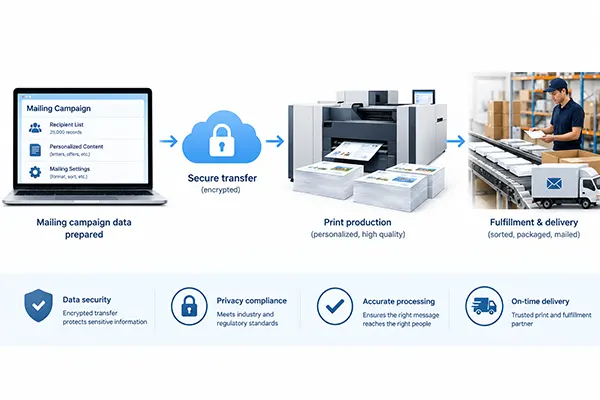
The mailing campaign has information that can be manipulated in the future, with lots of sensitive customer profile content. This information doesn’t meet the high-security domain through digital infrastructure, which reduces the problems created by file misuse, duplication, sharing, printing, or exporting for storage in the production unit.
Printing and fulfillment records are to be limited, and activity should be monitored with special attention to duplication.
After completion of mailing, retrieve the files and labels; unwanted records are to be destroyed completely.
Effective mailing security secures the data during the process from export to disposal. This guide will tell you how it is done without losing a single record.
Start With the Smallest Useful Mailing Dataset
A name, address, customer number, segments, and internet fields are in the export detailing with the mailing team. This information leak makes it a big responsibility to secure it.
The mail with customer information can be addressed in another sheet. This sensitive data is printed on labels of an envelope, which is accessible to anyone handling records. This adds a layer to the security parameters.
Key Takeaways:
- Only campaign-related information is collected and shared with partners.
- Limit the data transfer security and file printed alerts to an additional layer of security.
- Address the data with a supported format that can not easily be forwarded.
- During launch and after launch, prepare the data to recycle or destroy after use.
Build a Minimal Data Set
For security, you need to follow the instructions that limit accessibility.
- Enlist the information that is only needed. Choose an identifier to link the customer data. Limit the data to the production unit. Most incidents happen in this link.
- Detach additional data. Old payment receipts, numbers, internet leakage, demographic data that cannot add value; this only leads to providing protected alerts in the future.
- Separate the production data. It only needs name, address, and code. Do not give access to the extra information with it.
- Decide when the file needs to be removed. Plan how to delete the export data before that. Don’t spare it, as it may become an issue later.
According to FTC regulations, sensitive data is retained when it is required for legitimate business. Only that information is shared, which is optimal.
Ensure the file is secured, with only necessary information shared to the campaign, with responsible handling and a system to delete the unnecessary details attached to the link.
Control Access Before the File Reaches Production
Keep mailing data tightly controlled as printing approaches. If the file has many access controls that give authority to react to it, it enhances the leakage opportunity. Secure the production file with limited access and maintain records of whoever accessed it.
Quick insight:
Handle the file in such a way that working profiles look like the secure database in client operations, where downloading and access controls for information can be leaked. Reroute the file movement and ensure the permissions given and the expiry dates are monitored. Remove the copies. This minimizes further error and helps to retreat accordingly.
Use Role-Based Access
Give access to those who need it. Campaign staff need counts, but the production mailing file does not need the consumer history.
The higher authority or management has restricted access to data, while contractors also have narrowed access to data, but not the audit trail. Inspect the contractor and campaign activities, address them, and implement necessary solutions.
Protect Accounts
Wherever possible, use multi-factor authentication and separate accounts. In adverse access, create confusion to maintain records. Restrict the controls to a few people, which can help you audit the trail and identify errors.
Secure the Handoff to Print and Mailing Partners
Many hindrances are present in the pathways from campaign file to printer. The sensitive information is handled securely and transferred like a database does, unlike the normal procedure through email.
Use a Controlled Transfer
Select an appropriate access control and expiry date with controllable authority. This transfer contains versioning, security measures, and an examination of the channel adopted.
Set Vendor Boundaries
Ensure the data received by vendors is within their domains. Ensure the purpose of the information delivered. How long they may keep it, and removing the copies after use. All these details are discussed and included in contracts.
From variable rate printing, the required information is embedded into a QR code with a personalized message. This can secure the data printed and shared information with the campaign or production unit.
Did You Know?
If a mailing list is exported in a spreadsheet, uploaded to a print portal, or printed in paper format, it doesn’t mean it’s not sensitive to risk exposure. Every format inherently makes copies, which actually needs a layer of security.
Treat Printed Pieces as Sensitive Data Too
Security does not decrease when it comes to printing soft copies. Address lists, envelopes disposed of, mail returned from the source, and proof of execution from production are all main reasons for details to be exposed, with information that needs security.
Control Physical Handling
Make appropriate security parameters around mail and production files. Address lists and marked lists are protected from public intervention. Short batches of lists with proofs and misprints should be disposed of securely. Returned mail is treated as original campaign data.
Destroy What Should Not Survive
The information secured privately is terminated after utilization. If the copies no longer serve the business, these should be deleted securely without leaving any strings attached to it.
Ensure the question around who has it or why it is still there? This remains clear to every person who runs a business.
Build Recovery and Retention Into the Campaign
For a secure campaign, a recovery plan is a must. If a file is misplaced, spoiled, overwritten, or deleted, then mailing data can be recovered with team authorization.
Keep a Protected Master
A controlled master export is a must for the authority to monitor the process for recovery. Keep backups secure. Test regularly and keep editing space separate.
DataRecovee’s recovery guide also lists the data to back up regularly and helps the recovery team restore the issues that occurred during the process followed in the documentation.
Delete on Purpose
Source exports, production files, proofs, transfer copies, or the data delivered to vendors are securely timed to the retention period. All business requirements, legal procedures, and involved contract rules are to be predefined. This leads to a successful campaign without any data leakage.
Final Takeaway
Postal mail should be given the same priority as sensitive data frameworks. The name and address of a customer, printed code with a regular postal watermark, and recorded demographic details may lead to exposure and are considered valuable details. Vendor’s recovery procedures instruct them to secure and permanently delete the records after the campaign.
These routine methods help ensure the security of the right framework without loss or misinformation, where a mailing list can create a bigger impact, posing a severe issue for businesses and regulated authorities.
Frequently Asked Questions
How much customer data should a mailing campaign include?
Should mailing vendors receive the full customer database?
Not necessary; for the production unit, limit the data shared as much as possible, and ensure the time period for storing the data from the vendor’s perspective.
How should a mailing list be transferred to a printer?
Transmit the encrypted data with access controls to a secure business platform and not the open information shared to any other channels that cross the parameters.
What should happen to campaign files after the mailing is complete?
Before launching, ensure the rules and regulations are followed and securely delete the copies; only the information that is stored has a purpose to run the business.
Related Posts
Search Console Forgets Everything After 16 Months: How to Back Up Your SEO Data
After completing the period of 16 months, all the data and access are deleted from Google Search Console’s database. After…
Why Digital Transformation Projects Stall: A Resourcing Playbook for Project Managers
Digital transformation projects are on the rise at this time. From government-backed initiatives to enterprise cloud adoption and AI integration.…
How Email Hosting Providers Store and Protect Business Data
Where does your business email go when you click the send button? The impression is that the email just goes…

Best CI/CD Platforms for Coding Agents and AI-Native Development
CI/CD has changed its job because coding agents now write a growing share of the changes that reach a repository.…

Mavlers Agency on Why Global Agencies Are Turning to Offshore SEO Teams
An offshore SEO team in India is becoming more and more an option for great profit for global agencies; it’s…
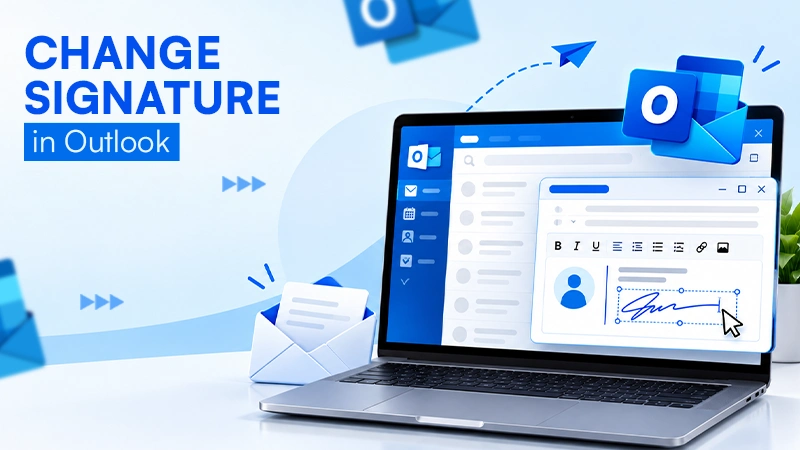
How to Change Signature in Outlook: A Complete Guide
How do you change signature in Outlook? It sounds simple until you realize that the steps vary across Windows, Mac,…

Best 7 AI Development Companies for Data AI Solutions for Your Project: Guide for…
Buying model work before the data work is the most expensive order to do it in. The pilot shows well,…

Top Software Development Companies Backed by GoodFirms Reviews
In September 2026, GoodFirms listed 853 software development companies in California. The group had a median hourly rate of $37,…

What Is a Blockchain Explorer? How to Track Crypto Transactions
A blockchain explorer is a searchable interface for viewing data recorded on a public blockchain. You can look up a…