


Regular backups are one of the smart and effective ways to protect important files. Using both cloud and physical backup works best.
How to Protect Your Files From Unexpected Data Loss

Imagine you opened your device and suddenly found out that all the important files are not there. Sounds scary, right? The reason could be anything, such as device issues, accidental deletion, theft or a cyberattack.
It can be drastic for every user, but for businesses that hold customer data, financial records, and other project information, it is of serious importance. The good news is that a few simple learnings can greatly lower the risk.
Keep reading to explore simple and smart ways to protect your files from unexpected data loss.
Make Use of Cloud-Based Backup Solutions
Cloud technology has completely redesigned how we back up data, giving both company owners and regular people a hyper-flexible, scalable, and highly secured way to lock down priceless info.
In comparison to old-school physical backups, cloud-based setups offer geographic redundancy—conveying your data is copied to several safe locations so it stays accessible even if your local hardware strictly fries.
The top cloud providers also take pride in efficient encryption, file versioning, and automated backups, which greatly boost your security and lessen the risk of dropping your files.
That said, choosing a highly trusted provider with rock-solid security protocols is indeed key if you want to keep your data intact and safe from spying eyes. Learn more about cloud security policies.
Be Cautious With the Physical Media
If your backup strategy uses physical drives or any other kind of storage media, then you need to carefully think about where you are going to store them. A backup that’s deposited beside the computer may not be such a good decision if, by any chance, both of them become seriously injured during the same accident.
Enterprises should store their backup devices in a completely secure location. For businesses that require some backing for the maintenance of the physical storage system, services that are similar to the storage facility servicing Taupo might just be one of the options worth evaluating. It is meant to keep the storage environment safe and efficient.
Speaking of separation, be sure not to make it a single incident to erase both your backups and your regular data!
Think About All the Things That Could Potentially Go Wrong!
One of the most vital steps in protecting your files is actually figuring out how data loss happens in the first place. Hardware failure is the most visible threat. Hard drives and solid-state drives don’t last forever, and they love to abruptly fry themselves without any notifications.
Plus, computers can easily be harmed by sudden power cuts, physical accidents, fires, or spilled coffee. Human error is another massive motivating factor. It is very easy to accidentally overwrite a crucial document, delete the wrong folder, or format an all-purpose hard drive without understanding that your most important data was still sitting on it.
Then you have to think about cybersecurity threats. Malware and ransomware can lock you completely out of your system or secretly encrypt your files until you pay up. Even an event as simple as accidentally leaving your laptop or phone in a coffee shop can mean a total disaster if your important data only lives on that single device.
Once you know specifically what risks you are up regarding, building a bulletproof backup plan around them gets a million times less daunting.
Everything Needs to Be Regularly Updated
Now, here’s one of the fewest things you can do, as far as this goes, yet that’s pretty effective. Now, we know that no one is a great fan of updates since they can be pretty boring and time-consuming; however, they are a procedure that needs to be done if you want to protect your data properly.
They are designed to repair security flaws that could hypothetically be made use of by hackers. That’s why whenever your device begins to remind you that it’s a great time to update it, do not fail to do it!
A lot of people nowadays choose to lose a bunch of useful data, on the nose, because of this. If you do not update your system and all the apps regularly, then they’ll be a lot more prone to all kinds of risks.
Also, explore 6 hosting features that safeguard your data against unexpected loss.

Conclusion
In the end, sudden data loss definitely cannot be predicted easily, but smart steps can definitely be taken against it to lower the risk. These involve backing up crucial files, storing physical backups away from the main drive, and installing security updates on a regular basis.
These steps might seem simple, but they actually hold much importance and can make it much easier to recover your data when unexpected incidents happen.
Some preparation now will ensure you won’t regret it later.
Frequently Asked Questions
What is the best way to protect important files?
Why keep physical backup stored apart from the device?
This helps to prevent incidents such as fire and theft from damaging or affecting both copies. This saves your data anyway.
How often should I back up my files?
It depends more on the number of times your data changes. Important business data may need to be backed up on a routine basis.
Related Posts
How to Delete a File That Won’t Delete in Windows?
Deleting a file should be simple, but sometimes Windows refuses to remove it. You may see messages saying the “folder…
What Should Businesses Do After Recovering From a Major Data Loss?
Businesses nowadays have entered a new level in terms of storing data, leading to a completely new structure. Customer service,…
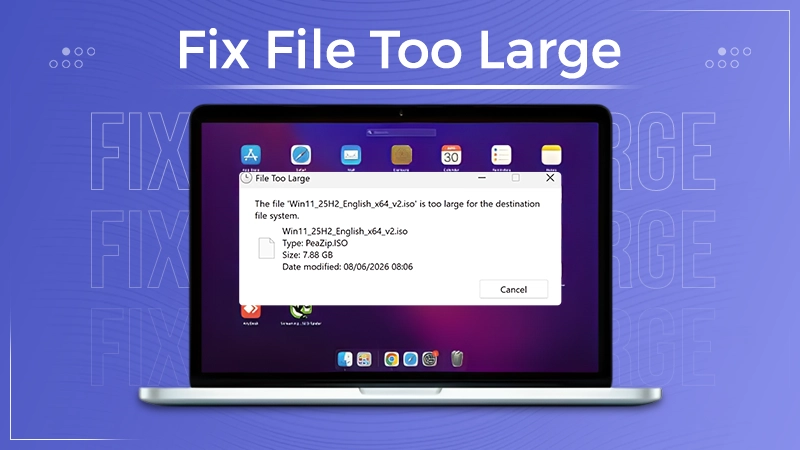
How to Fix “File Too Large for Destination File System” on Windows?
Have you ever tried copying a large file to a USB drive or external hard disk, and Windows stopped the…
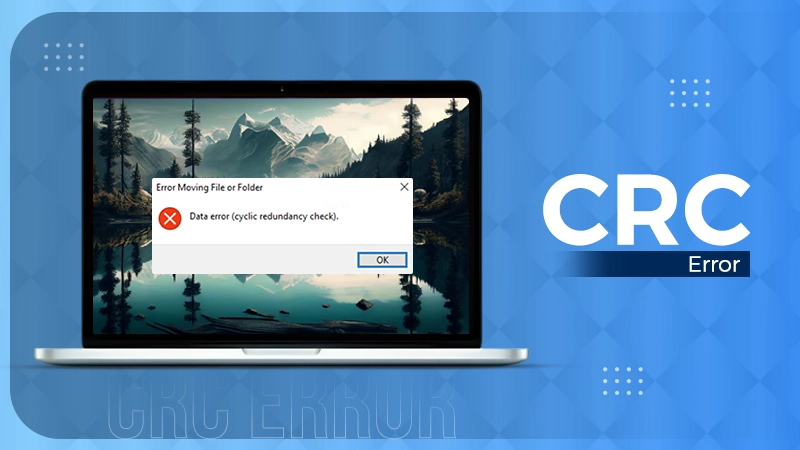
What is a CRC Error? Meaning, Causes, and How to Fix It
A CRC error can appear when you are copying files, opening a folder, extracting an archive, or accessing a storage…
What is an MKV File? Meaning, Uses, and How It Works
You can often identify a video file by its extension. MP4 is the most common, AVI is an older format,…
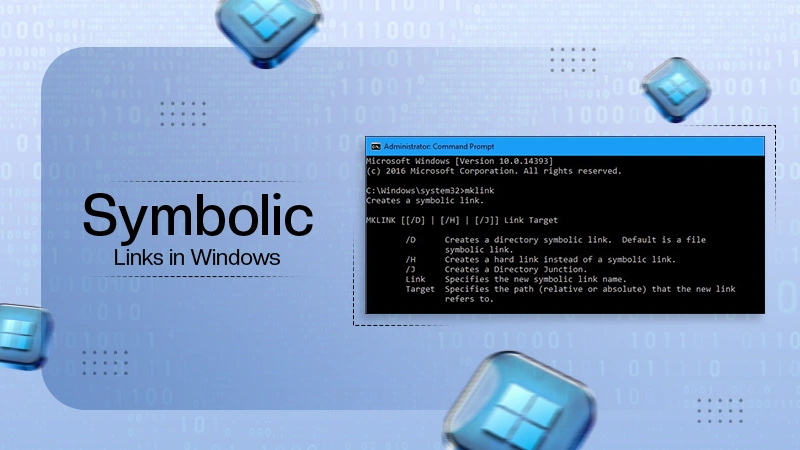
Symbolic Links in Windows: A Complete Guide to Creating Symlinks
Have you ever wished to keep a file or folder in one location while making Windows think it exists somewhere…
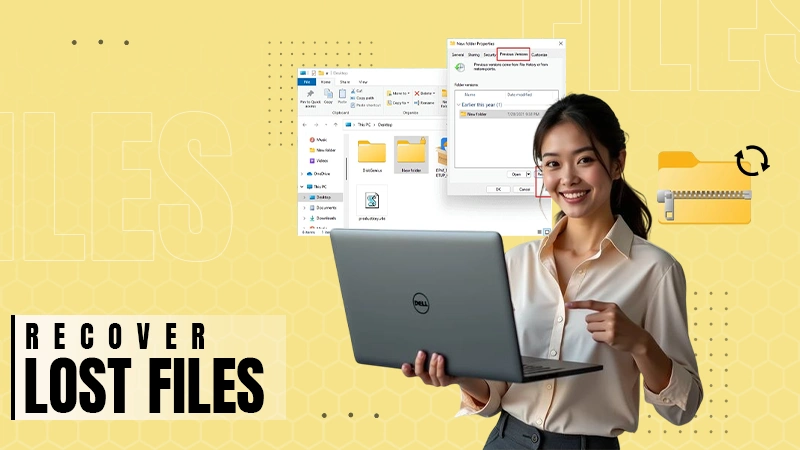
Data Recovery in 2026: How to Restore Lost Files From Phones, PCs, and Cloud…
Alt: Old Hard Disk Drives Nearly one-third of all data loss is caused by accidental deletion, hardware failure, or a…

How to Evaluate an SEO Agency’s GEO Capabilities Before Signing a Contract
Is SEO outdated? No, it has actually just changed or updated into other forms, such as GEO. The major question…

What Is an AAE File? Everything iPhone Users Need to Know
An AAE file is an Apple sidecar file that contains editing instructions, like crops and filters, applied to an iPhone…